
Picture this: you're moving into a new apartment, and you've got a cozy living room that doubles as your bedroom. You want a futon because it's practical, stylish, and saves space. But wait—what size futon actually fits in your room? That simple question leads to a whole world of considerations that many people overlook. It's not just about width and length. There are different standards, cultural preferences, and practical needs that all play a role in choosing the right futon size.
Futons have been around for centuries, originating in Japan where they serve as both bedding and seating. Today, they've evolved into a popular choice for modern homes, especially in smaller spaces. But when you start shopping for a futon, you quickly realize there isn't one standard size that fits everyone. The confusion begins with terms like 'twin,' 'full,' 'queen,' and even 'king.' And then there are the Japanese measurements that might throw you off completely. This guide will walk you through every aspect of futon sizing so you can make an informed decision that works perfectly with your lifestyle and living situation.
Standard Futon Dimensions in the United States
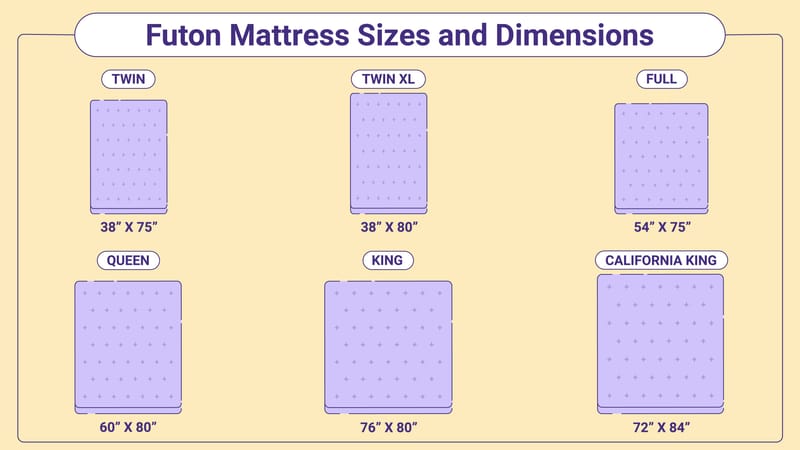
In the US, futons typically follow standard mattress sizes, though some manufacturers offer variations. Here are the most common sizes you'll encounter:
These measurements apply to the actual sleeping surface. Keep in mind that futon frames often add a few extra inches to overall dimensions, so measure your space carefully before buying.
Japanese Futon Sizes and Cultural Differences
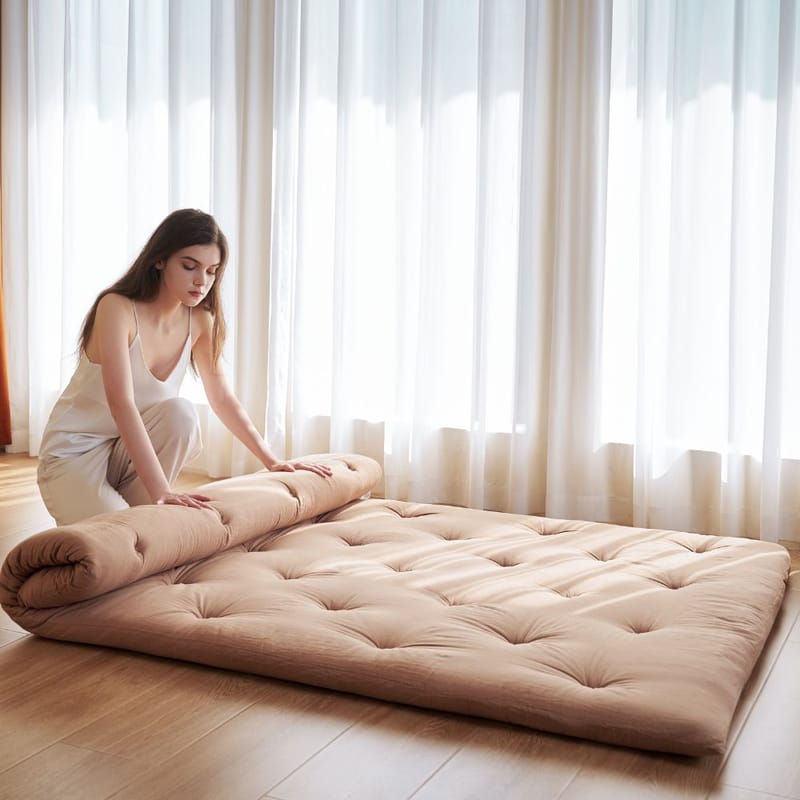
Japan has its own system of futon sizing based on traditional bedding. These measurements differ significantly from Western standards:
These sizes reflect the Japanese approach to minimalism and efficient use of space. The shorter length compared to American futons is due to traditional sleeping arrangements where people often sit up while eating or working during the day. Understanding these differences can help if you're importing a futon from Japan or want to learn about traditional Japanese culture.
Measuring Your Space Before Buying

Before purchasing a futon, it's essential to measure your available space accurately. Many people find themselves with a beautiful futon that won't fit their room. Here's how to avoid that mistake:
For example, a queen futon measures 60 inches wide by 80 inches long. If you have a 10-foot by 12-foot bedroom, you'll have plenty of room. But if your space is tighter, you might need to consider a full-size futon instead. The key is thinking about how you'll actually use the space.
Space-Saving Features of Futon Designs
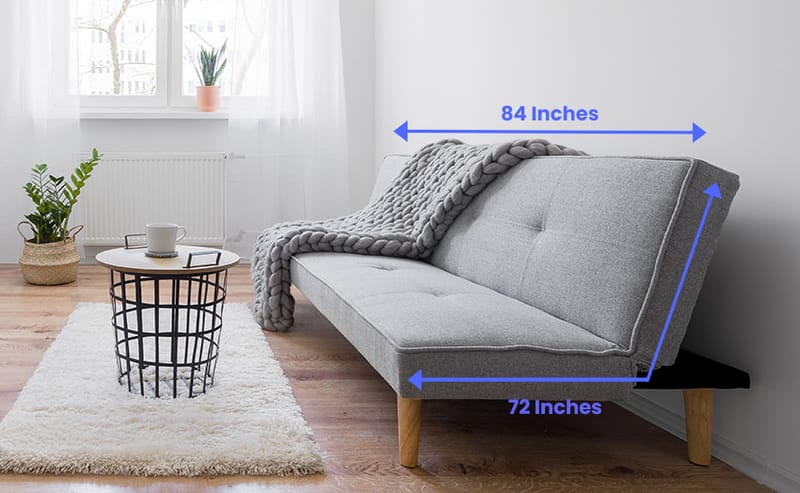
One of the main attractions of futons is their versatility. They can transform from a comfortable bed to a sofa during the day. This dual functionality brings unique considerations:
Consider how much space you really need versus how much you might want. A full-size futon gives you more room than a twin but doesn't require a huge bedroom. It's about finding balance between comfort and practicality.
Choosing the Right Size for Your Lifestyle
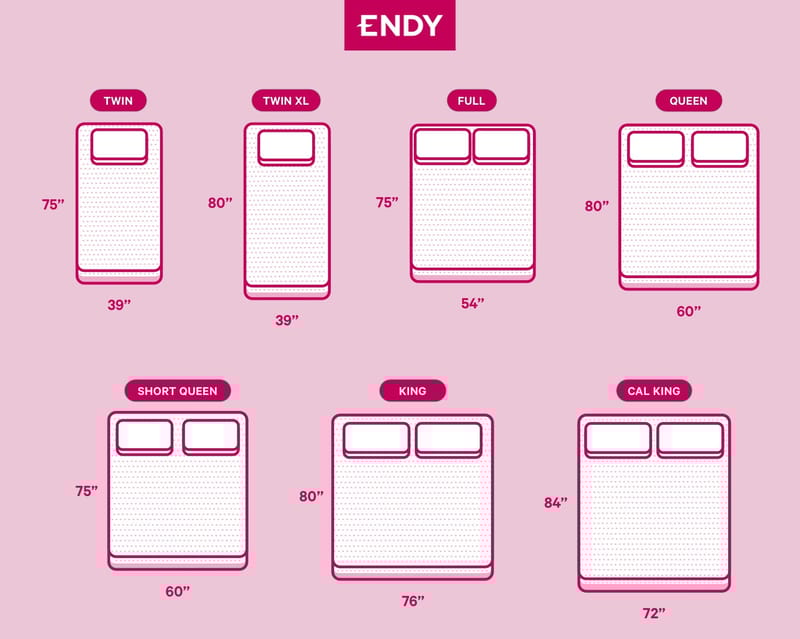
The best futon size depends largely on your lifestyle and living situation:
Think about who will primarily use the futon. Will it be just you, or do you have roommates? Are you planning to entertain guests regularly? These factors will influence whether you need a compact twin or something larger like a king.
Practical Tips for Futon Selection
Here are some helpful tips for choosing your perfect futon:
A good futon should feel supportive and comfortable for your body type. If you're tall or heavy, you might need a larger size. If you're petite, a smaller futon could work just fine. Don't let the size dictate your comfort—it should enhance it.
Understanding futon sizes isn't just about knowing measurements—it's about finding the right balance between comfort, space, and practicality. Whether you're choosing between a twin and a queen, or trying to navigate Japanese futon standards, the key is matching the size to your actual needs. Remember, a futon is more than just a bed; it's a lifestyle choice that reflects how you want to live. Take time to measure your space, consider your lifestyle, and choose wisely. You'll find that the right futon size can transform not just your bedroom, but your entire living experience. After all, you spend a third of your life sleeping, so it's worth getting it right.


