
Picture this: you're lying in bed, gazing out at the morning sun streaming through your window. It's peaceful, beautiful even. But is this arrangement actually good for your sleep? Many people find themselves drawn to the idea of sleeping with a window nearby, but there are some important factors to consider before making this decision.
We've all seen those dreamy bedroom photos online – beds positioned perfectly in front of large windows, offering stunning views and natural light. But when you're actually trying to get a good night's rest, the reality isn't always quite as glamorous. The question of whether to put your bed directly in front of a window might seem simple, but it involves more than just aesthetics. From temperature control to privacy concerns, there are several elements that affect how well you'll sleep in this setup. This guide explores everything you need to know about positioning your bed near a window, helping you make the best choice for your personal comfort and health.
The Appeal of Window Beds

There's something undeniably appealing about sleeping with a view. Many people feel more connected to their environment when they can see outside from their bed. This connection to nature can have positive effects on mental well-being and mood. The gentle morning light filtering through windows can naturally wake you up, replacing harsh alarm clocks with soft, natural light. Some studies suggest that exposure to natural light during the day helps regulate circadian rhythms better than artificial lighting alone. For many, having a window nearby provides a sense of openness and freedom, especially if you live in a small space. The feeling of being closer to the outside world can be comforting and calming. However, it's worth noting that not everyone responds positively to this arrangement. Some people find the constant visual stimulation distracting, particularly when trying to fall asleep.
Lighting Considerations
One of the most significant factors when placing a bed in front of a window is how light affects your sleep cycle. Natural light is beneficial during the day, but too much light exposure at night can disrupt melatonin production. If your bedroom gets early morning sun, you might experience difficulty falling back asleep after waking up. This is especially true if you're sensitive to light. On the flip side, some people prefer to wake up naturally with sunrise rather than alarms. If you're one of those people, having your bed facing a window could work well for you. However, it's essential to consider how much light enters your room. You may need blackout curtains or blinds to control the amount of daylight reaching your eyes. Some people find that they need to adjust their sleep schedule when sleeping near a window, as their body clock adapts to the changing light conditions throughout the day. The timing of when you go to sleep and wake up matters significantly when dealing with window light exposure.

Temperature and Airflow
Windows can dramatically impact the temperature in your bedroom, which is crucial for good sleep quality. In summer months, direct sunlight can make the area around your bed uncomfortably hot. Conversely, in winter, cold drafts from open windows can make the space feel chilly. This fluctuation can cause restless nights and poor sleep. You'll want to think about how airflow moves through your room. If you have a window that opens, consider whether it might create drafts or bring in outside noise. These elements can be disruptive to your sleep. Some people enjoy the feeling of fresh air while sleeping, but others find that constant airflow makes it hard to settle down. The type of window you have also matters – sliding glass doors versus traditional windows behave differently regarding airflow and temperature. You might need to adjust your bedding choices based on seasonal changes. For instance, lighter sheets in summer and heavier blankets in winter might be necessary depending on how much heat or coolness comes through the window.
Privacy and Security Concerns
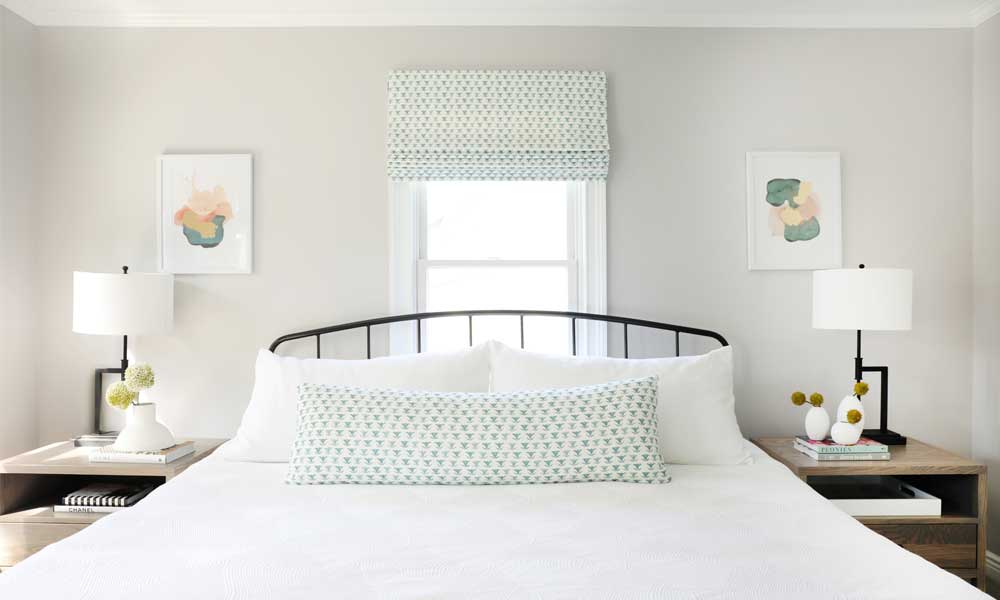
One of the biggest drawbacks to placing a bed in front of a window is the potential privacy issues. If you live in a busy neighborhood or have neighbors who frequently look out their windows, you might feel exposed while sleeping. This concern becomes even greater if you share your bedroom with someone else. Some people find that sleeping with a window nearby makes them feel less secure, especially if there's little to no privacy barrier between the inside and outside. Additionally, if your window faces a street or public area, you might be concerned about visibility from passersby. This is particularly relevant if you're a light sleeper or if you tend to move around in your sleep. Security considerations extend beyond just privacy – you'll want to ensure that any window you're sleeping near is secure and properly locked. Some people choose to install security bars or reinforced locks on windows facing potentially risky areas. Others prefer to keep their window covered with curtains or blinds for added protection. The balance between enjoying the view and maintaining privacy can be tricky to navigate.
Noise and Distractions
Windows often come with their own set of sounds that can interfere with sleep. Traffic noise, construction work, or even the sounds of people walking by can become distracting when you're trying to rest. Even quieter sounds like wind rustling leaves or birds chirping might disturb your sleep if you're particularly sensitive to noise. The location of your window matters – if it's facing a busy street, you'll likely experience more disturbances than if it looks out onto a quiet garden or alley. Some people find that the sounds of nature outside are actually soothing, while others feel that any external sound interrupts their ability to relax. If you're a heavy sleeper, this might not be a major issue, but if you're easily awakened by noise, it's something to carefully consider. You might need to invest in soundproofing solutions or thick curtains to help muffle unwanted sounds. Another consideration is that windows can amplify certain noises, making them seem louder than they actually are. The acoustics of your room play a role in how much outside sound reaches your bed.

Practical Solutions and Tips
If you decide that putting your bed in front of a window is right for you, there are several ways to make the arrangement more comfortable. First, consider investing in high-quality window treatments like blackout curtains or smart blinds that can control light levels. These solutions help manage the amount of natural light entering your room throughout the day. Second, you might want to add thermal insulation around your window to prevent drafts and temperature fluctuations. Weatherstripping or window insulation film can help with this. Third, create a cozy atmosphere with appropriate bedding and pillows. Choose materials that suit the climate and your comfort preferences. Fourth, consider the placement of other furniture in relation to your window. Sometimes moving your desk or dresser away from the window can help reduce visual distractions. Finally, establish a bedtime routine that works with your window setup. If you're sensitive to light, try to develop habits that help you prepare for sleep regardless of what's happening outside. Some people find that using eye masks or earplugs helps them sleep better in window-facing bedrooms. Experiment with different combinations of treatments and adjustments until you find what works best for your specific situation.
Health Implications and Sleep Quality

Your bedroom setup can significantly influence your overall health and sleep quality. When you're sleeping with a window nearby, several health factors come into play. Exposure to natural light during the day can improve your mood and energy levels, but too much light at night can disrupt your sleep cycle. This disruption can lead to fatigue, difficulty concentrating, and even mood disorders over time. The temperature variations caused by window exposure can also affect your sleep quality. If you're constantly adjusting your body position due to heat or cold, you're less likely to achieve deep, restorative sleep. Some research suggests that sleeping in cooler temperatures promotes better sleep quality, so extreme temperature changes from a window might be counterproductive. On the positive side, the connection to nature that comes with a window bed can have psychological benefits. Studies show that people who sleep with views of natural scenery often report better mood and reduced stress levels. However, the benefits depend heavily on individual sensitivity to environmental factors. You might notice that your sleep quality improves or worsens depending on how well you've adapted your window setup.
Making the Right Choice for Your Situation
Ultimately, whether to place your bed in front of a window depends on your personal circumstances and preferences. Consider your lifestyle, sleep habits, and environmental factors carefully. If you're a light sleeper who's easily disturbed by noise or light, you might want to avoid window placement. However, if you're someone who enjoys natural light and feels more relaxed with a view, it could be a great choice. Think about your living situation – do you live in a quiet area or a busy neighborhood? Are there any security concerns? Do you already have good window treatments in place? These questions can help guide your decision. Some people find that they can adapt to a window-facing bed over time, while others never adjust. There's no one-size-fits-all answer. You might start with a different arrangement and change it later as your needs evolve. The key is to be honest with yourself about what you need to sleep well and make choices accordingly. Remember that the most important thing is finding a setup that helps you feel rested and refreshed every morning.
Placing your bed in front of a window isn't inherently wrong, but it does require careful consideration of various factors. From lighting and temperature to privacy and noise, each element plays a role in how well you'll sleep. While some people thrive with a view, others might find it disruptive. The key is understanding your own sleep patterns and preferences. Whether you decide to go with a window bed or not, remember that your bedroom should feel like a sanctuary where you can truly rest and recharge. Take the time to evaluate what matters most to you and make adjustments that support your sleep goals. Sometimes, small changes like adding blackout curtains or adjusting your bedding can make a big difference in how well you sleep. The ultimate test is how you feel in the morning – if you wake up refreshed and energized, then you've found the right setup for your needs.


