
Have you ever found yourself in a room where your bed sits right against a window? Maybe it was a rental, or perhaps it's just how your space naturally evolved. What happens when that bed lacks a headboard too? This setup might seem odd at first glance, but it actually offers some unique advantages and challenges. Let's explore how to make the most of this arrangement.
There's something both romantic and practical about having a bed positioned directly against a window. It's the kind of setup that makes you feel connected to the outside world while still providing the comfort of your own space. But what if that bed also lacks a headboard? That's quite a common scenario in many homes, especially those with minimalist designs or rental properties. The combination of window placement and no headboard can actually create a very interesting sleeping environment. We'll walk through everything you need to know to make this setup work for you.
Understanding the Benefits of Window Bed Placement
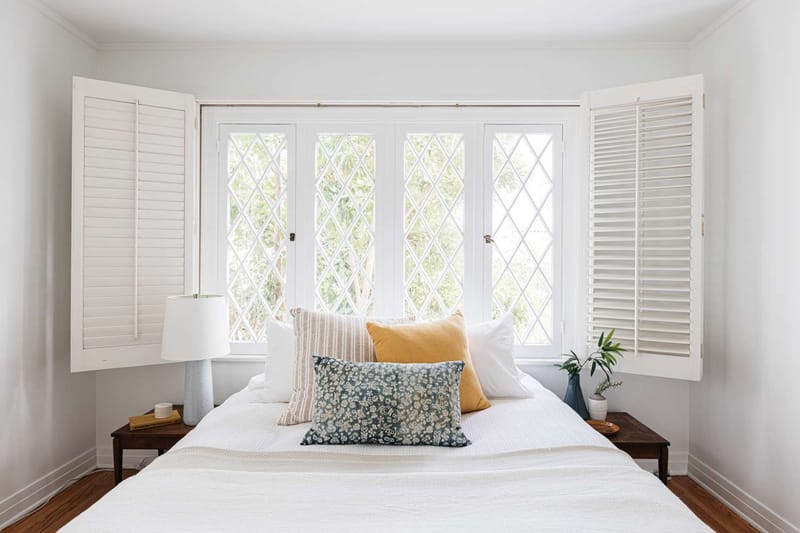
When you place your bed against a window, you're tapping into some serious perks. First off, you get incredible natural light. That morning sun streaming in can do wonders for your mood and circadian rhythm. Many people find they wake up feeling more refreshed when they're bathed in natural light. Plus, there's that wonderful view - whether it's a garden, cityscape, or countryside. Some folks even say it helps them sleep better because they can see the changing sky during the night. You might wonder why anyone would want to sleep near a window, but the benefits go beyond just aesthetics. The open feeling can make a small room feel larger and more inviting. There's also the matter of air circulation. If you have a window that opens, you can let fresh air in while you sleep. This can be particularly helpful in warmer months. The sound of wind or distant traffic might actually help some people sleep better by masking other noises in their environment. And let's be honest, there's something almost magical about sleeping with the world outside your window.
The Challenge of Missing a Headboard
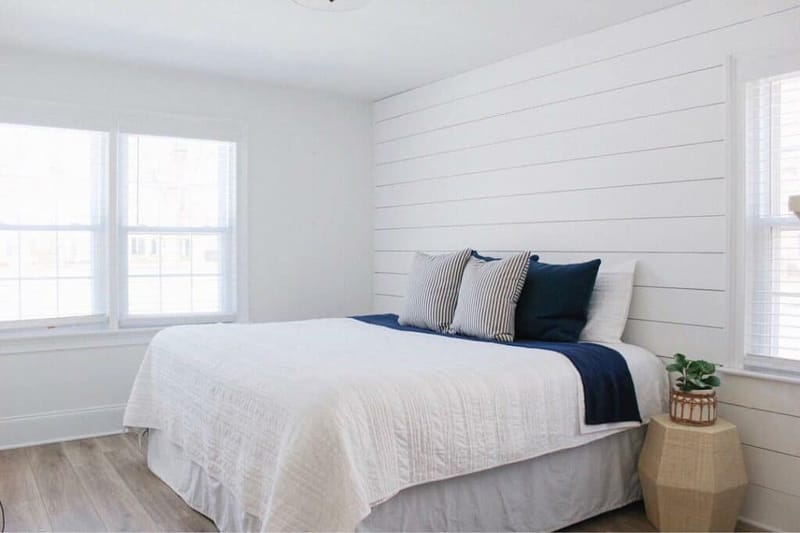
But here's where things get tricky. When you've got a bed against a window and no headboard, you're missing out on some important support features. Headboards serve more than just decoration - they provide a barrier between you and the wall, offer something to lean against while reading or watching TV, and give your bed a finished look. Without one, your head is essentially hanging over the edge of the mattress. That can feel unstable, especially if you're a side sleeper. You might also notice that your neck and shoulders don't get the same support they would with a traditional setup. The lack of a headboard means there's nothing to anchor your upper body, which can lead to discomfort. Some people report feeling like they're floating when they sleep against a window without a headboard. It's not just about physical comfort though - there's also a psychological element. The absence of that solid piece of furniture can make some people feel exposed or less secure. This is particularly true if the window faces a busy street or has a lot of activity outside. It's like being suspended between your private space and the outside world.
Making Up for the Lack of Headboard Support
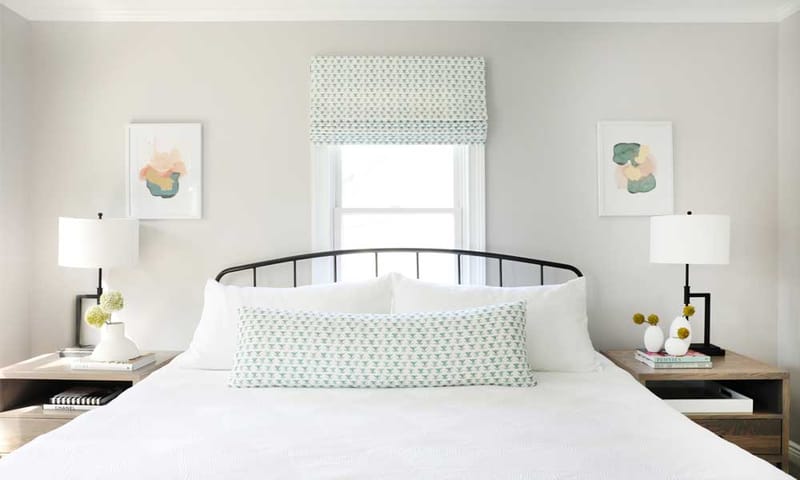
So how do you compensate for that missing headboard? There are several smart ways to fill the gap. One popular approach is using a headboard alternative. These can range from simple DIY projects to more elaborate solutions. For instance, you could mount a large piece of wood or fabric to the wall behind your bed. This creates that same sense of structure and support. Another option is to use a large pillow or two to prop up your head. This works well for those who prefer to sleep on their back. You can also try a body pillow, which can act as both a support system and a way to keep yourself comfortable. Some people swear by using a small nightstand or dresser against the wall as a makeshift headboard. It's not the same thing, but it does add that sense of boundary and structure. You might also consider investing in a wall-mounted headboard bracket that can hold a lightweight headboard or even just decorative panels. This gives you the visual and physical support you need without requiring major renovations.
Creating Privacy and Security
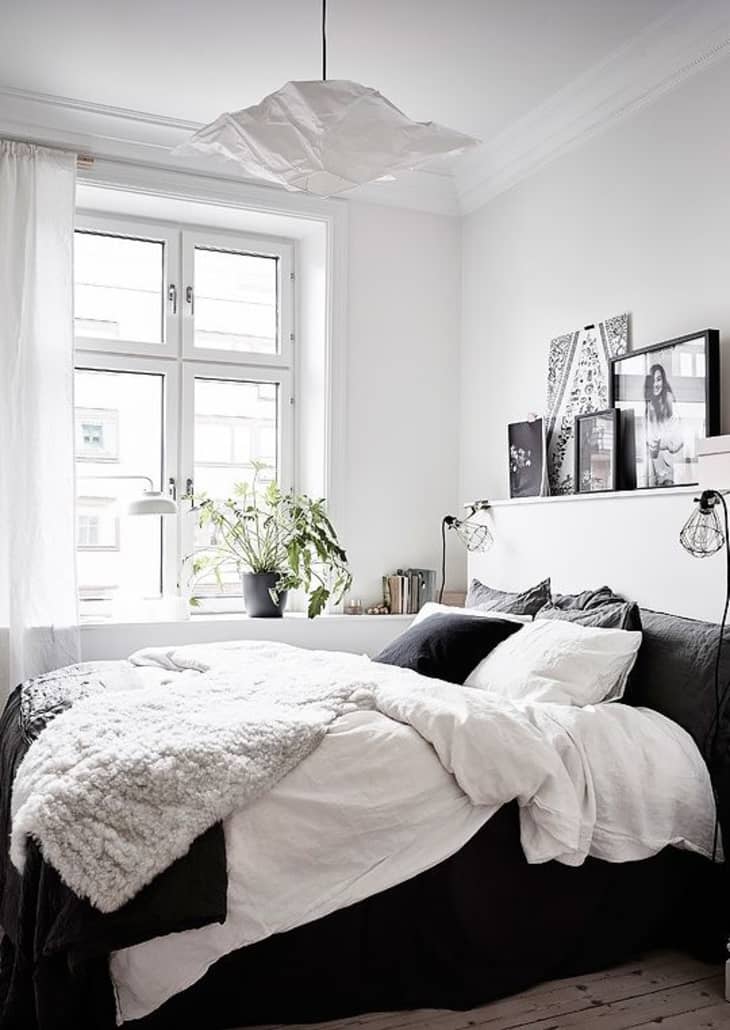
When your bed sits against a window without a headboard, privacy becomes a bigger concern. You might be able to see the outside world, but others might be able to see inside. That's especially true if the window faces a public area or a neighbor's home. One solution is to use curtains or blinds that can be drawn closed for privacy. Sheer curtains can provide a soft barrier while still allowing light in during the day. Heavy drapes offer more complete coverage and can also help block out noise. Some people choose to install window film that makes the glass opaque from the inside while remaining transparent from the outside. This is particularly useful if you're concerned about security. You can also use window treatments to control how much light enters the room. If you're sensitive to light, blackout curtains can make all the difference in getting quality sleep. The right window covering can also help regulate temperature, keeping you cooler in summer and warmer in winter. And let's not forget about noise. If your window overlooks a busy street, thick curtains or soundproofing materials can significantly reduce outside disturbances.
Practical Tips for Comfortable Sleep
Let's talk about how to actually sleep well in this arrangement. First, consider the orientation of your bed. If possible, position it so that you're not facing directly toward the window. This can help reduce glare and prevent you from being distracted by passing traffic or activities outside. You might also want to adjust your pillow height. Since there's no headboard to provide support, you may need to experiment with different pillow types or heights to find what works best for your sleeping position. Side sleepers often benefit from extra neck support, while back sleepers might prefer a flatter pillow. Another consideration is bedding. With no headboard, you might want to invest in some extra pillows or a duvet cover that extends further back. This can help create a more comfortable sleeping surface. Some people find that using a weighted blanket or a heated blanket can provide additional comfort and support. Keeping a small table or tray nearby can also be helpful for placing items within reach while you're lying down. Don't forget about lighting - having a bedside lamp or two can provide flexibility for reading or relaxing before sleep.
Design Solutions and Styling Ideas
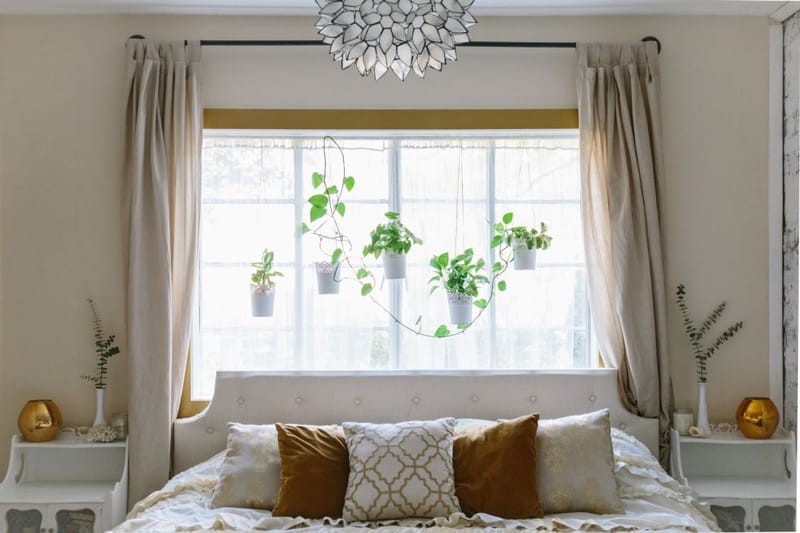
If you're looking to make this setup look intentional rather than accidental, there are plenty of design options available. One approach is to create a focal point around the bed area. This might involve placing a small table or console beside the bed, or using a decorative screen to define the space. You could also use artwork or a statement mirror to draw attention away from the lack of a headboard. Some people love the idea of creating a little reading nook next to their window bed. This might include a small chair or bench, some good lighting, and maybe a few books. The key is to make the space feel intentional and thoughtfully designed. Consider adding some plants to bring life to the area. They can also help purify the air, which is always a bonus. If you're using the window for natural light, think about how to incorporate that into your overall design scheme. Maybe you want to add some window boxes with herbs or flowers. This can make the whole setup feel more integrated with your living space. The goal isn't to hide the fact that there's no headboard - it's to make that fact part of a beautiful, functional design.
Sleeping with your bed against a window and without a headboard might seem like an unusual setup at first, but it's actually quite manageable with the right approach. The natural light and views can be incredibly beneficial, provided you handle privacy and noise concerns properly. The key is finding creative solutions to make up for the missing headboard while maintaining comfort and security. Whether you're dealing with a temporary rental situation or simply prefer this style, there are numerous ways to make it work for you. From DIY headboard alternatives to thoughtful window treatments, the possibilities are endless. The most important thing is to listen to your body and adjust until you find what feels right. After all, your bedroom should be a sanctuary that supports your best sleep. So embrace the unique qualities of this setup and make it work for your lifestyle. It might just become your favorite way to sleep.


