
Picture this: you're lying in bed, eyes closed, ready for a restful night's sleep. But something feels off. The room feels wrong. You can't quite put your finger on it, but there's something about how your bed sits in the space that's affecting your sleep. What if the answer isn't just about comfort, but about positioning? Where exactly should you place that bed to maximize your peace of mind and restorative sleep?
The bed is often considered the heart of the bedroom, but how you position it can make all the difference between a good night's sleep and a restless one. It's not just about finding a spot that looks nice – it's about creating an environment that supports your physical and mental well-being. From ancient wisdom to modern science, the placement of your bed affects everything from your sleep quality to your emotional state. Let's explore the essential factors that determine where to place your bed in your bedroom.
Understanding Feng Shui Principles for Bed Placement
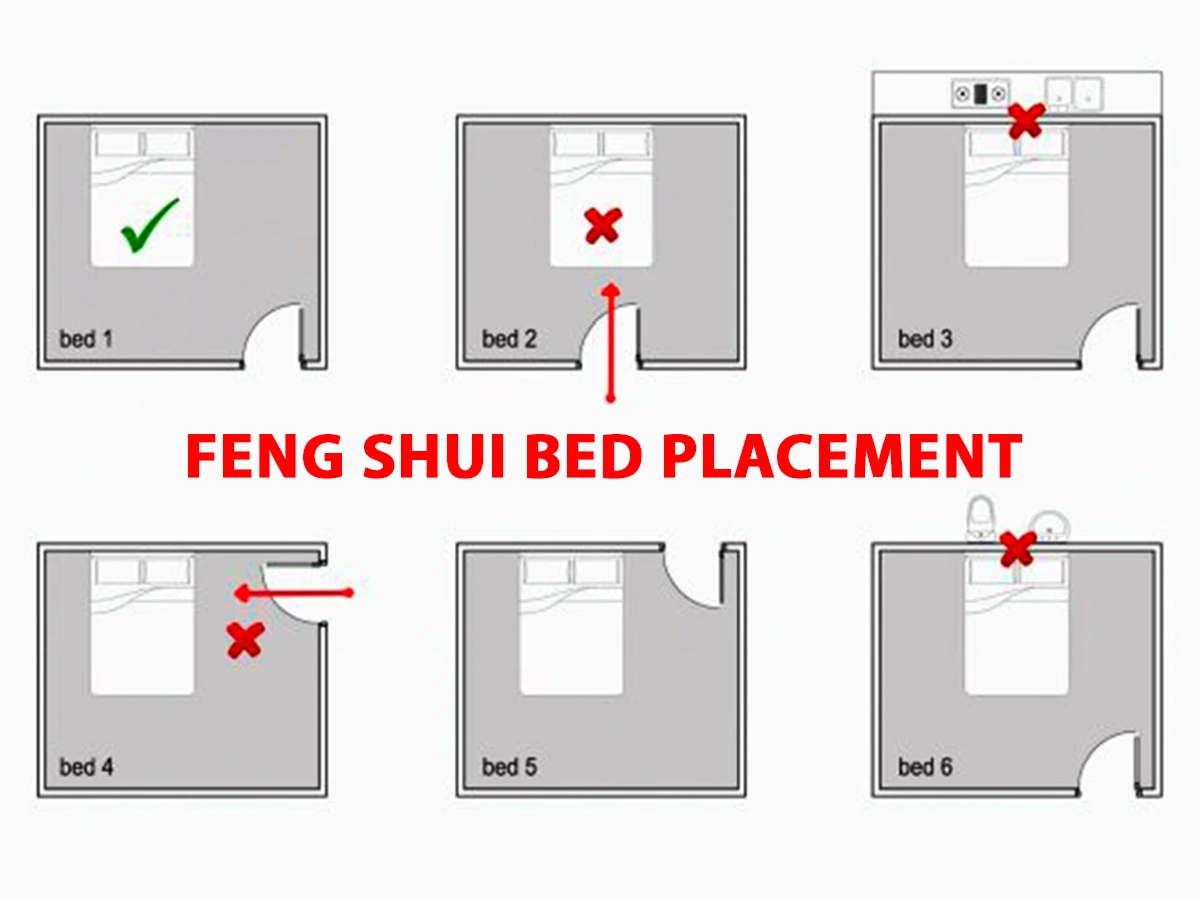
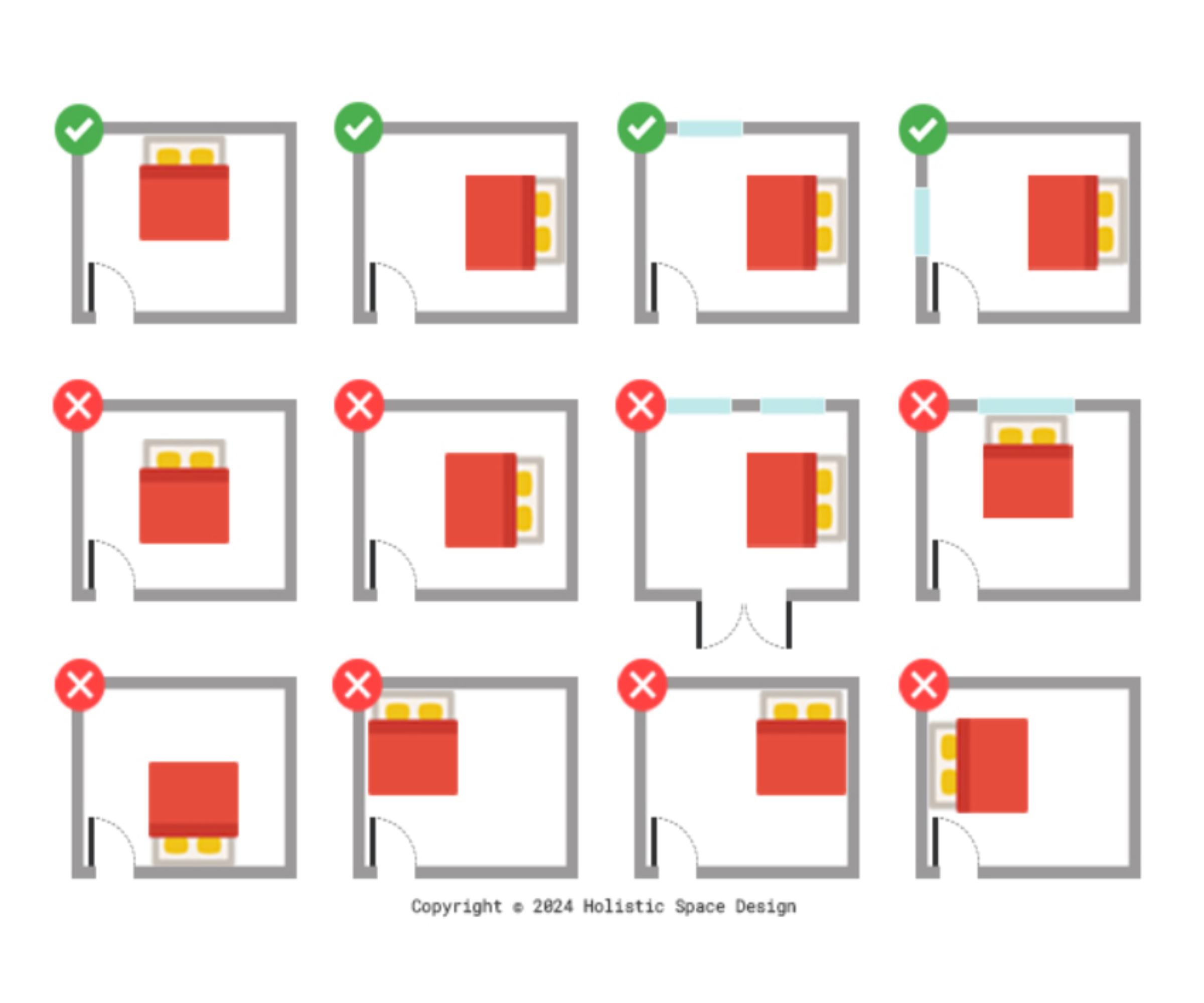
Feng shui, the ancient Chinese practice of arranging spaces for positive energy flow, offers valuable guidance for bed placement. According to feng shui principles, your bed should be positioned so you can see the door while lying in bed, but not directly in line with it. This creates a sense of security and control over your sleeping environment.
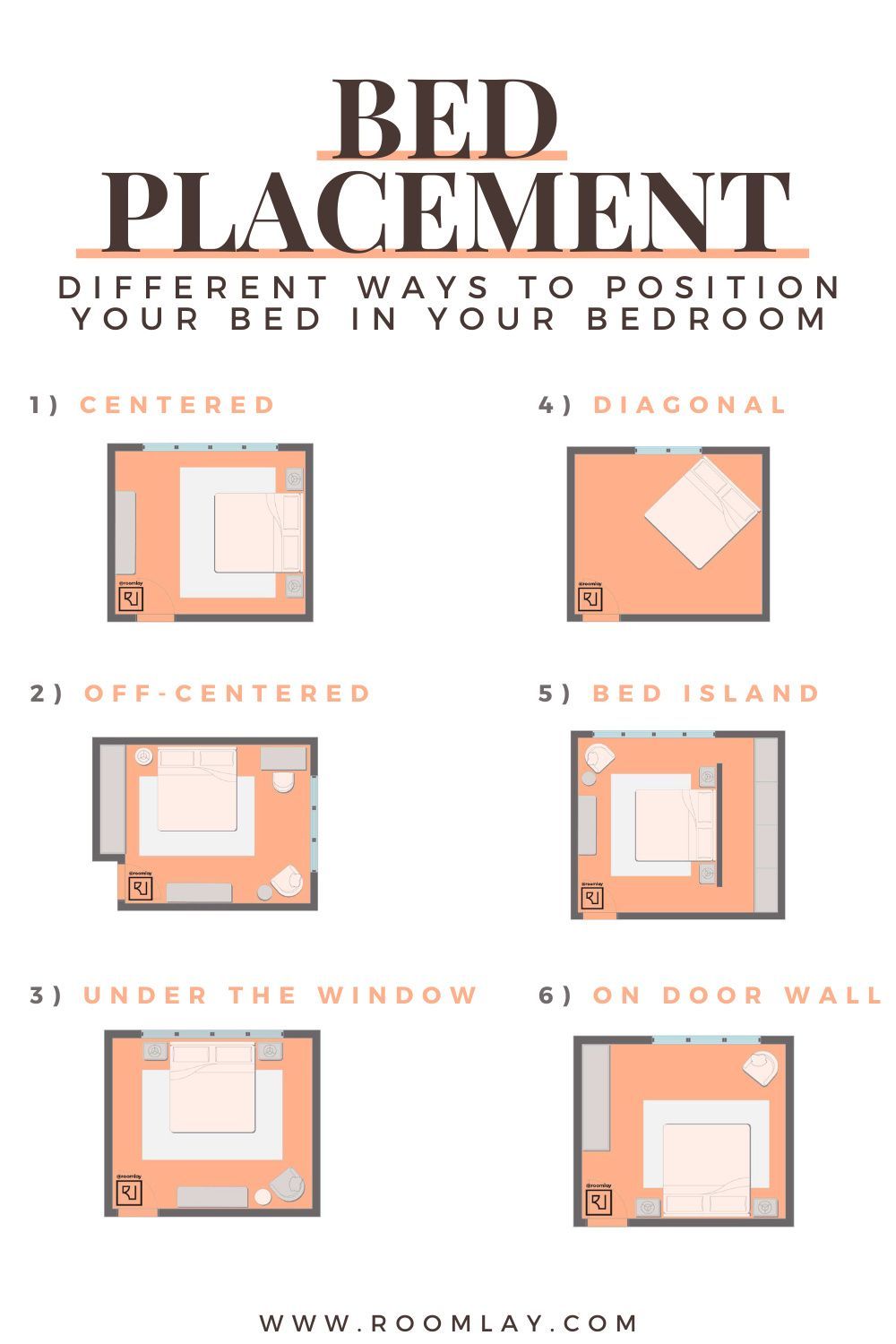
The ideal spot is typically against a solid wall, preferably with a headboard that provides support and stability. Avoid placing your bed directly under a window, as this can create a feeling of vulnerability and disrupt the peaceful energy needed for restful sleep. Also, keep your bed away from the bathroom or kitchen, as these areas are associated with constant movement and activity that can disturb your rest.
Consider the shape of your bedroom too. In a rectangular room, placing your bed diagonally rather than straight against a wall can create better energy flow. This positioning allows for easier access from both sides and can make the space feel less cramped.
The Importance of Viewing the Door
One of the most fundamental rules of bed placement involves your ability to see the entrance to your room. This simple concept has deep psychological roots – when you can observe who enters your space, you feel more secure and less vulnerable. When you lie in bed, your eyes should naturally fall on the door.
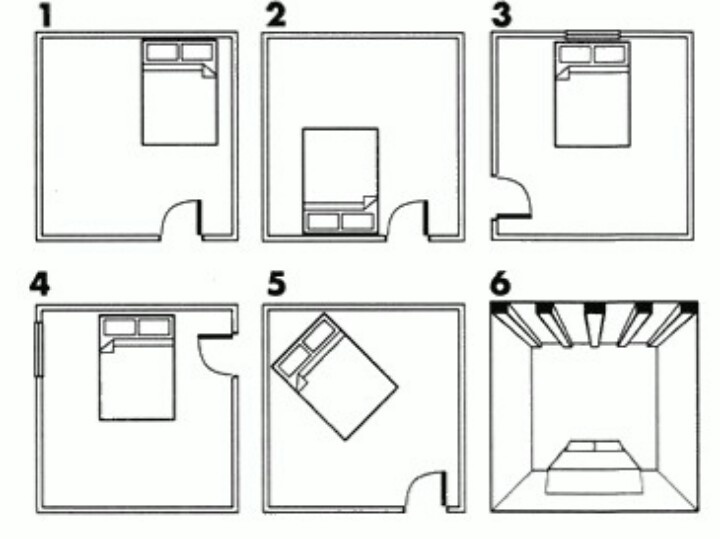
This principle works on multiple levels. First, it provides a sense of safety and control. Second, it helps you stay aware of your surroundings, which can be especially helpful if you have pets or children who might wander into your room during the night. Third, it creates a feeling of being in command of your personal space.
However, there's a balance to strike. While you want to see the door, you shouldn't be positioned directly facing it. This can create a sense of being constantly watched or put on edge. Instead, position your bed so that you can see the doorway from a comfortable angle, usually about 45 degrees from the direct line of sight.
Avoiding Common Bed Placement Mistakes
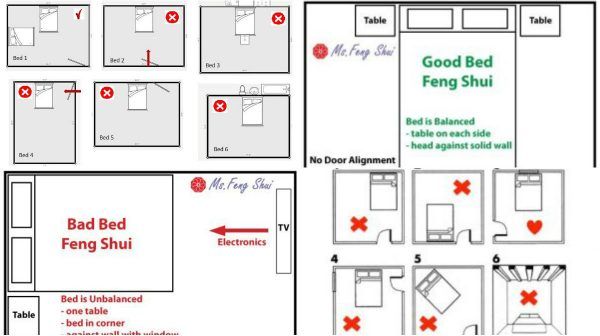
Many people make simple but impactful errors when deciding where to place their bed. Here are some common pitfalls to avoid:
Considering Your Bedroom Shape and Size
The size and shape of your bedroom significantly influence where you should place your bed. In small rooms, every inch matters, and positioning your bed strategically can make a huge difference in how the space feels.
For square or nearly square rooms, consider placing your bed diagonally. This arrangement creates a more open feeling and makes the space seem larger. It also gives you better access from both sides, which is practical for getting in and out of bed.
In elongated rooms, the bed should generally run parallel to the longest wall. This helps create a more balanced visual weight in the space. If you have a very long room, consider using furniture like nightstands or a dresser to create a visual boundary that defines the sleeping area.
Large rooms offer more flexibility but also require careful attention to proportions. You don't want your bed to look tiny in a big space, nor do you want it to dominate the room completely. Aim for a balanced relationship between your bed and the surrounding area.
Practical Considerations for Daily Life
Beyond spiritual and energetic concerns, practical factors play a crucial role in determining where to place your bed. Think about your daily routine and how you'll use the space.
Consider how you'll get in and out of bed. There should be enough clearance around your bed for easy access. Typically, leave at least 30 inches of space on each side for walking. If you have mobility issues or simply prefer extra room, aim for 40 inches or more.
Think about electrical outlets and lighting. You'll want easy access to power for charging devices and perhaps a bedside lamp. Position your bed so that these elements are within reach without having to get up and walk across the room.
Also consider the impact of natural light. If you're sensitive to morning sunlight, position your bed so that it won't be directly hit by early light. Conversely, if you're someone who needs bright light to wake up easily, you might want your bed positioned near a window where morning sun can gently illuminate you as you rise.
Creating Comfort and Privacy
The final element in bed placement involves creating a sense of privacy and comfort that's essential for quality sleep. This means considering not just physical space but also psychological boundaries.
A bed positioned against a wall with a headboard provides both physical support and psychological comfort. The headboard acts as a visual barrier and can help you feel more enclosed and secure. If you don't have a traditional headboard, consider using a tall bookshelf or cabinet behind your bed to create a similar effect.
Privacy is also about avoiding direct lines of sight to other parts of your home. If possible, avoid placing your bed where others can easily see you from adjacent rooms. This might mean positioning your bed away from hallways or living areas.
Additionally, think about noise levels. Avoid placing your bed directly next to noisy areas like bathrooms or kitchens, or places where traffic passes by. The goal is to create a quiet, peaceful sanctuary for rest and recovery.
Placing your bed correctly in your bedroom is more than just finding a comfortable spot – it's about creating an environment that supports your health, happiness, and well-being. Whether you follow ancient feng shui principles or simply want to optimize your sleep experience, thoughtful bed placement can transform your nights. Remember that the best placement will vary based on your individual needs, your bedroom's unique characteristics, and your personal preferences. Take time to experiment with different positions until you find what works for you. After all, your bedroom should be a place where you feel safe, relaxed, and ready to rest your body and mind. The right bed placement can make all the difference in helping you achieve that peaceful state every single night.


