
Picture this: a senior waking up refreshed after a night of undisturbed rest, thanks to a bed that adapts to their body's needs. For many older adults, achieving this kind of peaceful sleep isn't just a luxury—it's a necessity. The right sleeping environment can mean the difference between a day filled with energy or one spent feeling fatigued and uncomfortable.
As we age, our bodies change in ways that can make sleeping more challenging. Arthritis, back pain, breathing issues, and circulation problems all contribute to restless nights. Many seniors find that traditional mattresses no longer provide the support they need. Enter adjustable beds—a solution that's been gaining popularity among caregivers, medical professionals, and families alike. These beds offer a way to customize your sleeping position, potentially reducing discomfort and improving overall sleep quality. But what happens when budget constraints come into play? How do seniors access these beneficial beds without breaking the bank?
Understanding Adjustable Beds
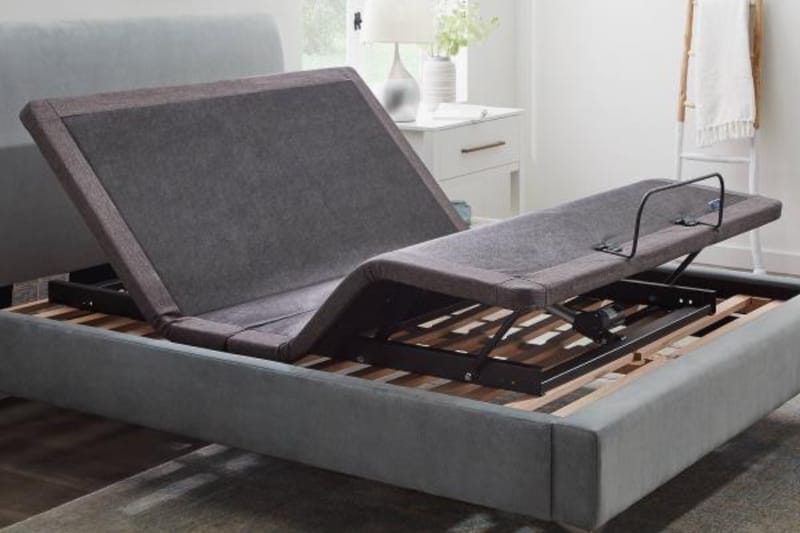
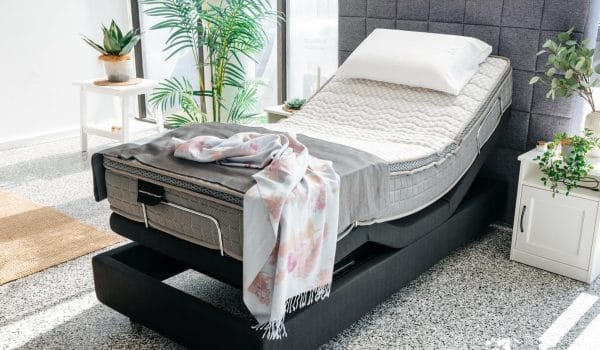
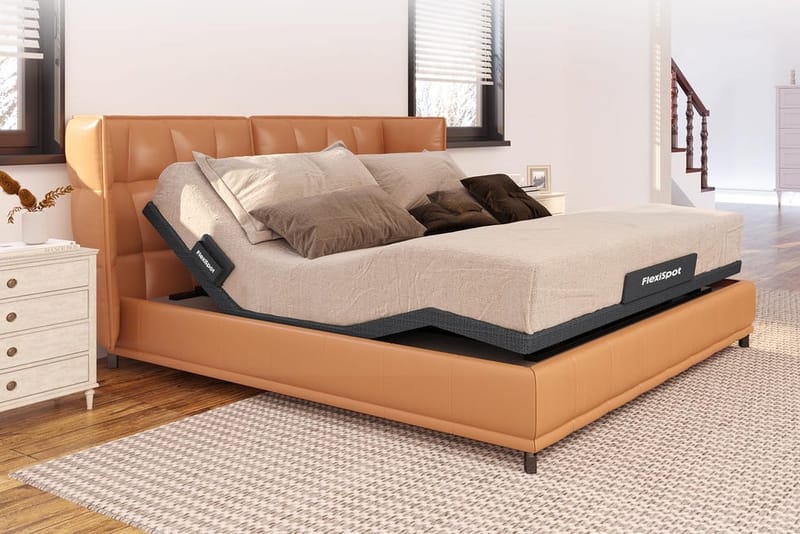
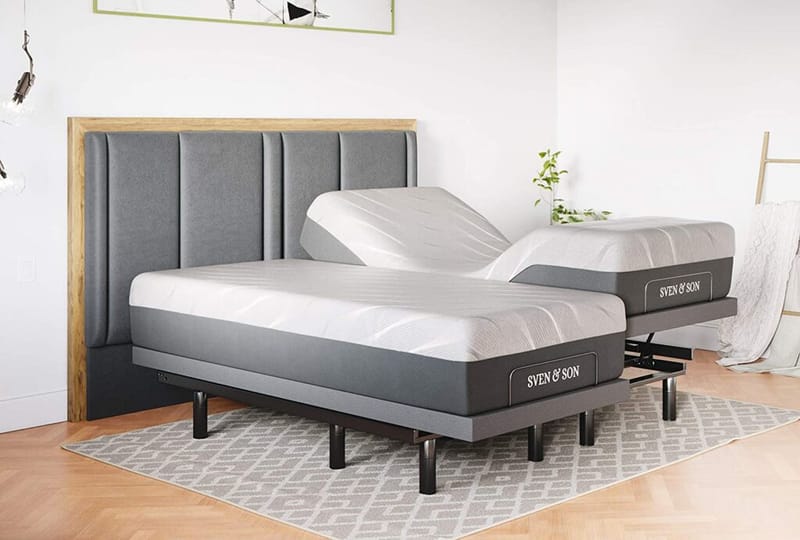
Adjustable beds aren't just about luxury—they're about function. These beds feature motors that allow you to adjust the head and foot sections independently. This means you can elevate your upper body to ease breathing difficulties, raise your legs to reduce swelling, or even find the perfect angle for reading or watching TV. The technology behind these beds has evolved significantly over the past few decades. Modern adjustable beds typically have multiple memory settings, allowing users to save their preferred positions. They're designed with safety features too, including automatic stop functions and emergency controls.

The benefits extend beyond simple comfort. When you can control your sleeping position, you're less likely to toss and turn, which often leads to better sleep quality. For seniors dealing with conditions like sleep apnea, heart failure, or chronic pain, adjustable beds can provide relief that standard mattresses simply cannot match.
Common Challenges for Seniors
Many seniors face specific obstacles when it comes to sleep and mobility. Physical limitations might make it difficult to get in and out of bed safely. Chronic conditions such as arthritis, diabetes, or heart disease can cause pain or breathing issues during the night. Some may struggle with insomnia or sleep disorders that disrupt their natural sleep cycles. Additionally, medications can sometimes cause side effects that affect sleep quality.
There's also the issue of accessibility. Not every senior has easy access to a hospital or medical supply store where they might find adjustable beds. Many live alone, or in facilities that may not offer this equipment. Financial concerns compound these challenges. While adjustable beds can be expensive, ranging from $1,000 to $5,000+, many seniors are on fixed incomes and can't afford such purchases.
Free Resources and Programs
Fortunately, there are several avenues that might help seniors obtain adjustable beds without paying full price. Some nonprofit organizations offer assistance programs specifically for elderly individuals who qualify based on income or medical need. These groups often partner with local hospitals, community centers, or religious organizations to distribute equipment.
Government programs also exist in some areas. Medicaid may cover certain medical equipment if deemed necessary for treatment. Veterans Affairs programs sometimes provide equipment for eligible service members and their families. Local social services departments might have resources for seniors who are struggling financially.
Some manufacturers have started offering rental programs or payment plans that make adjustable beds more affordable. Others provide refurbished or returned units at reduced prices. It's worth checking with local healthcare providers, as they may know about community programs or partnerships that could help.
How to Find Assistance Programs
Start by reaching out to your local Area Agency on Aging. These organizations serve as a hub for senior services and often have information about financial assistance programs. They can connect you with resources that might not be obvious otherwise. You can also contact your state's department of health or human services to inquire about available programs.
Community organizations like churches, senior centers, and volunteer groups sometimes run equipment lending programs. Some focus specifically on helping seniors with mobility issues or sleep-related problems. Donations are usually accepted, and many organizations will work with you to ensure the equipment meets your needs.
Healthcare providers are another valuable source of information. Doctors, nurses, and physical therapists often know about programs that aren't widely advertised. They may also be able to recommend specific types of adjustable beds based on individual health conditions.
Local charities and foundations sometimes have medical equipment funds. These can range from small grants to full equipment donations. Researching these programs takes time, but the effort can pay off significantly.
What to Look for in an Adjustable Bed
When considering an adjustable bed, it's important to think about your specific needs. If you have respiratory issues, look for beds that allow for significant elevation of the head section. Those with circulation problems might prefer beds that can raise the legs. People with back pain may benefit from beds that offer multiple adjustment points.
Consider the size of your bedroom and whether you'll need to move the bed regularly. Some adjustable beds are easier to transport than others. Also, think about the weight capacity. Most adjustable beds can handle between 400 and 800 pounds, but it's always good to verify.
Look for features that enhance safety. Non-slip surfaces, secure locking mechanisms, and easy-to-use controls are essential. If someone else helps you get in and out of bed, consider whether the bed has features that make this easier. Some beds have built-in lighting or USB ports for convenience.
Quality matters too. Read reviews and ask about warranties. A good adjustable bed should last for many years, so investing in a reliable model is wise. Check whether the manufacturer offers customer support and replacement parts.
Tips for Making the Most of Your Bed
Once you have access to an adjustable bed, learning how to use it properly is crucial. Start slowly, experimenting with different angles to see what feels best for your condition. Some people find that elevating their head slightly helps with breathing, while others prefer raising their legs to reduce swelling.
Keep a log of which positions help with specific symptoms. This can be helpful when talking with healthcare providers or when you want to share your experience with family members. Some people benefit from using the bed for activities beyond sleep, such as reading or watching television.
Maintenance is important. Regular cleaning keeps the mattress and frame in good condition. Follow the manufacturer's instructions for care and avoid placing heavy objects on the bed that might damage the motor system.
Don't forget about the accessories. Pillows, blankets, and sheets can all be adjusted to complement your bed's capabilities. Consider investing in supportive pillows that work well with the bed's adjustable features. These small additions can make a big difference in comfort.
Adjustable beds represent more than just a luxury—they're a practical solution for improving sleep quality and overall well-being for seniors. While the initial cost can be daunting, various resources exist to help make these beds accessible to those who need them most. From nonprofit organizations to government programs, there are pathways to obtaining these beneficial devices without financial strain.
The key is knowing where to look and being willing to advocate for yourself or loved ones. Whether you're researching options for a family member or planning for your own future needs, understanding the landscape of available resources can make all the difference. Remember, better sleep isn't just about comfort—it's about health, independence, and enjoying life to the fullest. With proper research and support, seniors can find the right adjustable bed to meet their unique needs and lifestyle requirements. Sometimes, the best investment isn't just in the equipment itself, but in the peace of mind that comes with knowing you're taking steps toward better health and comfort.


