
Have you ever wondered why some bedrooms feel so cozy while others just seem cold and lifeless? It might come down to one simple detail - the placement of your area rug under the bed. This often-overlooked element can transform your sleeping space from ordinary to extraordinary.
When we think about bedroom design, we usually focus on the bed itself, maybe some pretty pillows or a nice headboard. But there's a hidden gem in the corner of most bedrooms that can make all the difference: the area rug underneath. It's not just about aesthetics - placing a rug under your bed actually creates warmth, comfort, and visual continuity that makes your entire room feel more cohesive. Whether you have a platform bed, a traditional mattress, or even a futon, positioning that rug correctly can elevate your sleeping environment from basic to brilliant.
Why You Should Consider a Rug Under Your Bed
Think about it for a moment. When you're lying in bed, do you notice how cold the floor feels beneath your feet? That's because most bedroom floors, especially those with hardwood or tile, don't offer much insulation. Adding a rug under your bed creates a barrier between you and that chilly surface. It's like having a soft blanket that never moves. The benefits go beyond just warmth. A well-placed rug also helps reduce noise from footsteps or movement during the night. It creates a sense of enclosure and safety, making your bedroom feel more intimate and private. Plus, it adds a touch of style that ties together your whole bedroom aesthetic.

Measuring Your Space Correctly
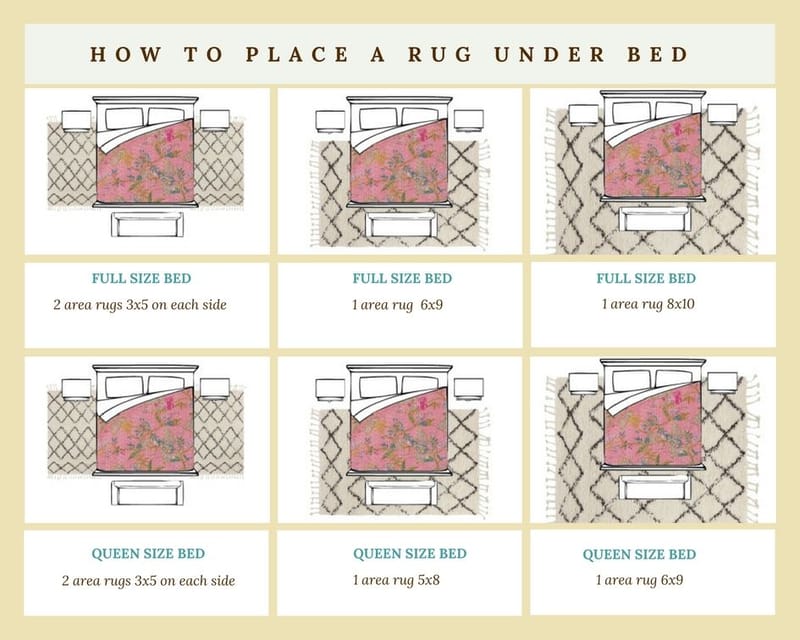
Before you start shopping for that perfect rug, you'll want to measure everything carefully. Start by measuring the width and length of your bed. Then determine how much extra space you want around the edges. Most people prefer about 12 to 18 inches of rug extending beyond the bed on all sides. For example, if you have a king-sized bed that measures 76 inches wide by 80 inches long, you'd want a rug that's at least 100 inches wide by 116 inches long. Don't forget to consider your furniture layout too. Measure from the wall to the edge of your bed, then add a few extra inches for comfort. This will ensure your rug doesn't look cramped or misaligned.

Choosing the Right Size and Shape
Not all rugs are created equal, and choosing the right size is crucial. Rectangular rugs work best for standard beds, while round rugs can add a unique touch to more eclectic spaces. Consider the shape of your bedroom as well. If you have a small room, a smaller rug might actually make things feel more spacious. On the other hand, a large rug can make a statement in bigger rooms. The material matters too. For bedrooms, softer materials like wool or cotton work well because they're gentle on skin and provide better insulation. Avoid very thick rugs that might create a tripping hazard when getting out of bed.

Placement Techniques for Different Bed Types
The way you position your rug depends heavily on your bed type. With platform beds, you typically want the rug to extend all the way to the floor, creating a seamless transition from the bed to the room. For regular mattresses, the rug should be positioned so that when you get out of bed, you're stepping onto the rug rather than directly onto the floor. If you have a low-profile bed frame, make sure the rug is thick enough to cover the gap between the mattress and the floor. Some people prefer to center their rug perfectly under the bed, while others like a more relaxed, slightly off-center placement. Both approaches work fine, depending on your personal preference and room layout.

Proper Rug Care and Maintenance
Once you've got your rug positioned perfectly, keeping it clean and looking great is essential. Regular vacuuming removes dust and debris that accumulate over time. For deeper cleaning, follow the manufacturer's instructions carefully. Many rugs can be spot-cleaned with mild soap and water, but always test a small area first. If you have pets or children, consider a stain-resistant material or a protective spray. Rotate your rug every few months to ensure even wear. Remember that rugs under beds often get less attention, so they can collect more dirt than visible areas. A good rule of thumb is to inspect your rug monthly and address any issues before they become major problems.
Common Mistakes to Avoid
There are several pitfalls that many people fall into when placing rugs under their beds. One common error is choosing a rug that's too big, which can make the room feel cluttered and overwhelming. Another mistake is selecting a rug that's too thin, providing little benefit in terms of warmth or comfort. Some people try to save money by buying cheap rugs that don't hold up well, only to find them wearing out quickly. Also, don't ignore the importance of matching your rug to your room's overall style. A bright, bold pattern might clash with a minimalist decor scheme. Finally, avoid using rugs that are too slippery or that have frayed edges, as these can create safety hazards and look unprofessional.
Placing an area rug under your bed might seem like a small detail, but it's actually one of those thoughtful touches that can completely change how your bedroom feels and functions. It's not just about making your space look prettier - it's about creating a more comfortable, cozy, and personalized environment. Whether you're dealing with cold floors, trying to reduce noise, or simply want to add a layer of style to your bedroom, this simple adjustment can make a world of difference. Take the time to measure properly, choose wisely, and maintain your rug regularly. Your future self will thank you for the extra effort. After all, isn't it worth spending a few minutes on something that can improve your sleep quality and daily comfort?


