
Your bedroom deserves more than just plain walls. An accent wall can be the perfect way to add personality, depth, and style to your sleeping sanctuary. Whether you're looking for something subtle or dramatic, there are countless ways to make your bedroom walls work harder for you.
Think about the last time you walked into a room and felt instantly transported. That's the magic of a well-designed accent wall. It's not just about adding color or texture - it's about creating a focal point that draws the eye and tells a story. In bedrooms, these special walls become the heart of the space, often becoming the first thing guests notice when they enter your private retreat. The right accent wall can elevate a simple bedroom from ordinary to extraordinary.
Why Accent Walls Work So Well in Bedrooms
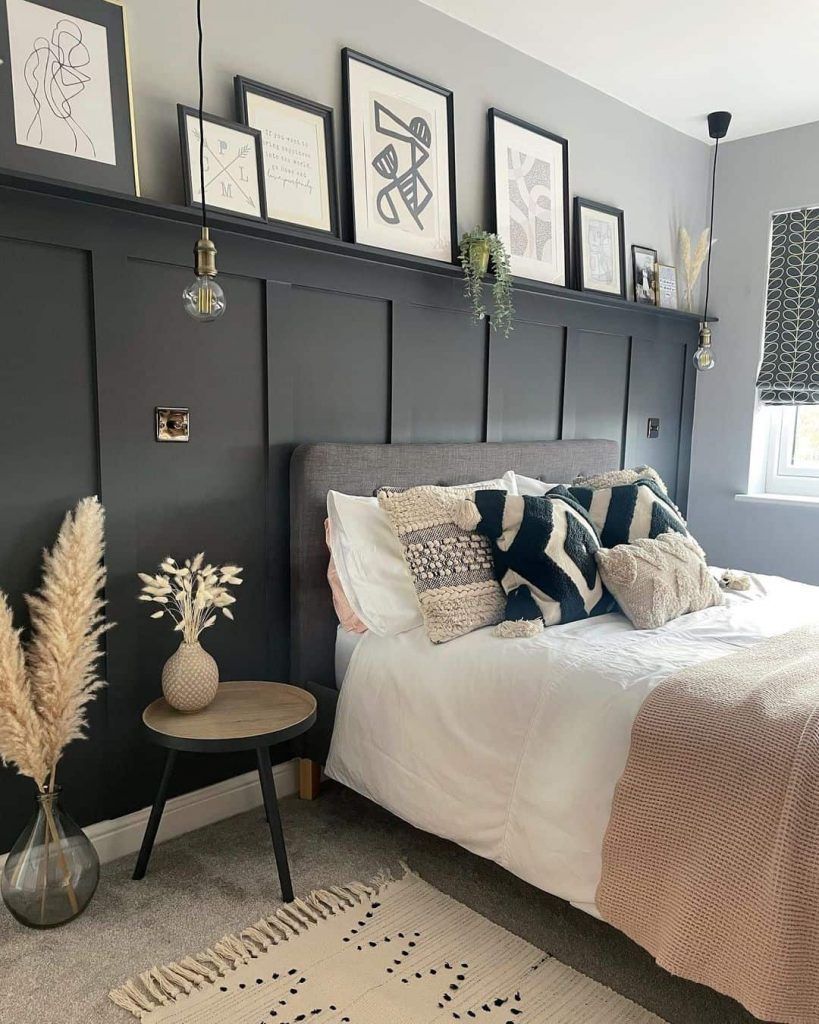
Bedrooms are personal spaces where we want to feel relaxed and refreshed. An accent wall provides a perfect balance between visual interest and calming atmosphere. It creates a sense of purpose and direction in the room. Unlike living rooms where you might want bold statements, bedroom accent walls often focus on soothing elements that promote restful sleep. The key is finding the right balance between drama and tranquility. For instance, a soft navy blue wall behind your bed can provide a peaceful backdrop while still making a statement. You might wonder why people spend so much time thinking about bedroom walls. It's because we spend roughly one-third of our lives sleeping, so our bedrooms deserve thoughtful design choices.
Color-Based Accent Walls
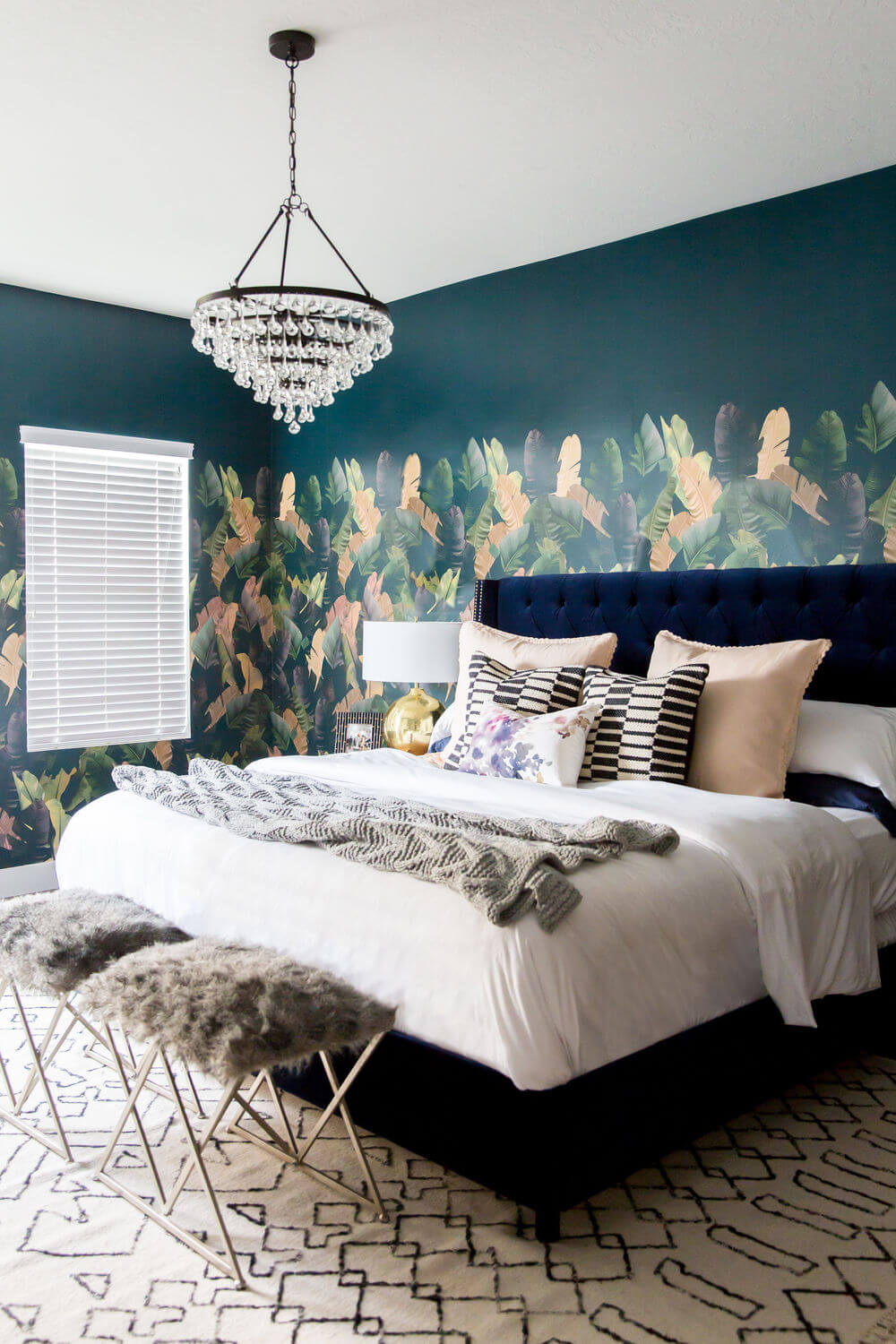
Colors have incredible power to change how a room feels. When choosing a color for your bedroom accent wall, consider how it affects your mood. Deep blues and greens tend to create calm atmospheres, while warm oranges and yellows can add energy. Some people prefer neutral tones like beige or gray as their accent colors because they offer versatility. You can always add pops of color through bedding and accessories. For example, a deep forest green wall can make a small bedroom feel cozier, while a light sage accent wall brings a fresh, airy vibe. The beauty of color-based walls is that they're relatively easy to change if your taste evolves over time.
Texture and Pattern Options
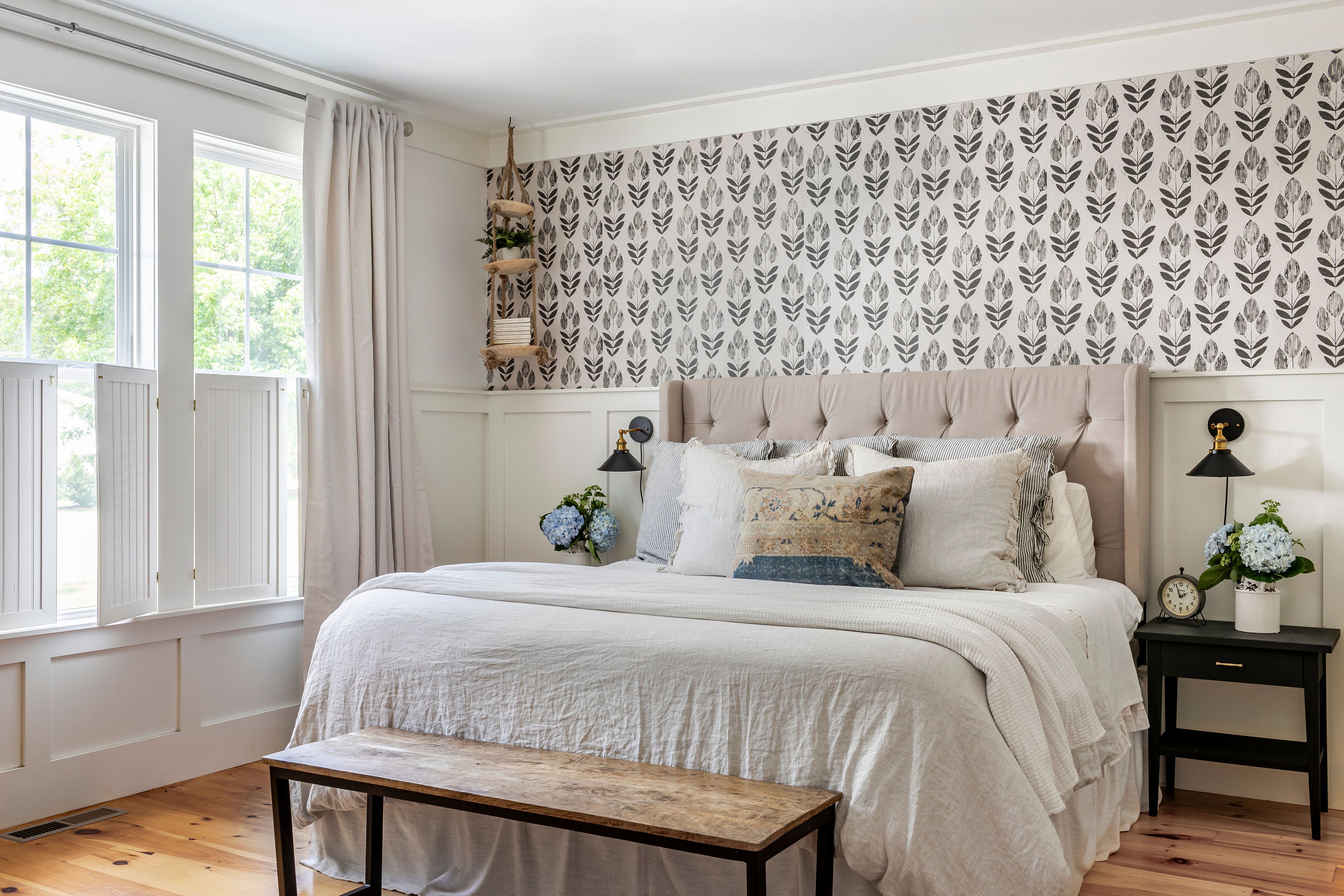
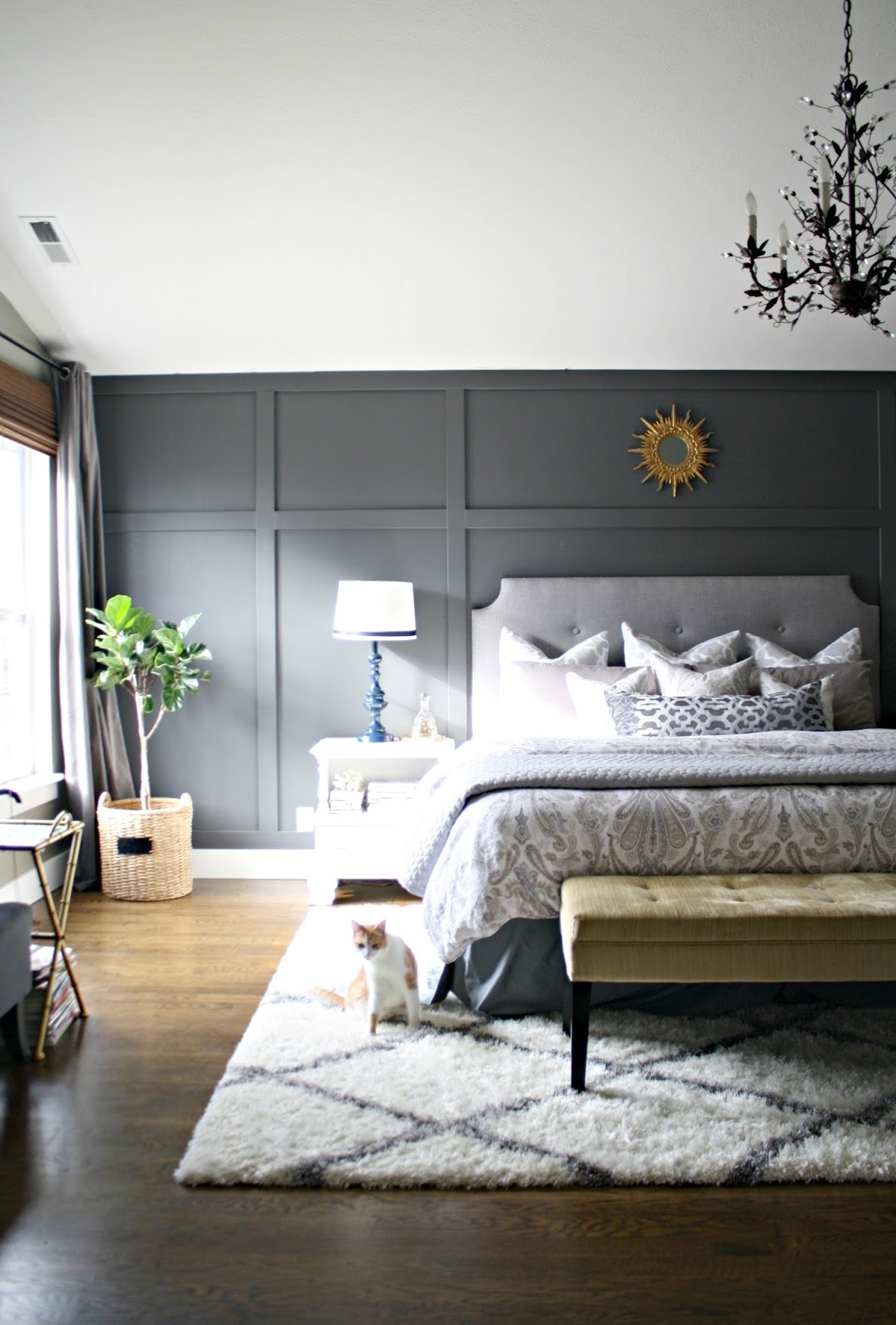
Sometimes a simple color isn't enough to capture attention. Textured walls offer a tactile experience that adds dimension to any bedroom. Think about using materials like shiplap, wainscoting, or even textured paint. Patterns can also create visual interest without overwhelming the space. Popular choices include geometric designs, floral motifs, or subtle stripes. A wallpaper pattern can transform a boring wall into a conversation starter. Some homeowners opt for textured paint that mimics wood grain or stone. These options provide the look of luxury without the high cost of actual materials. Consider how different textures affect lighting in the room too - some surfaces reflect light differently than others.
Natural Materials for Organic Appeal
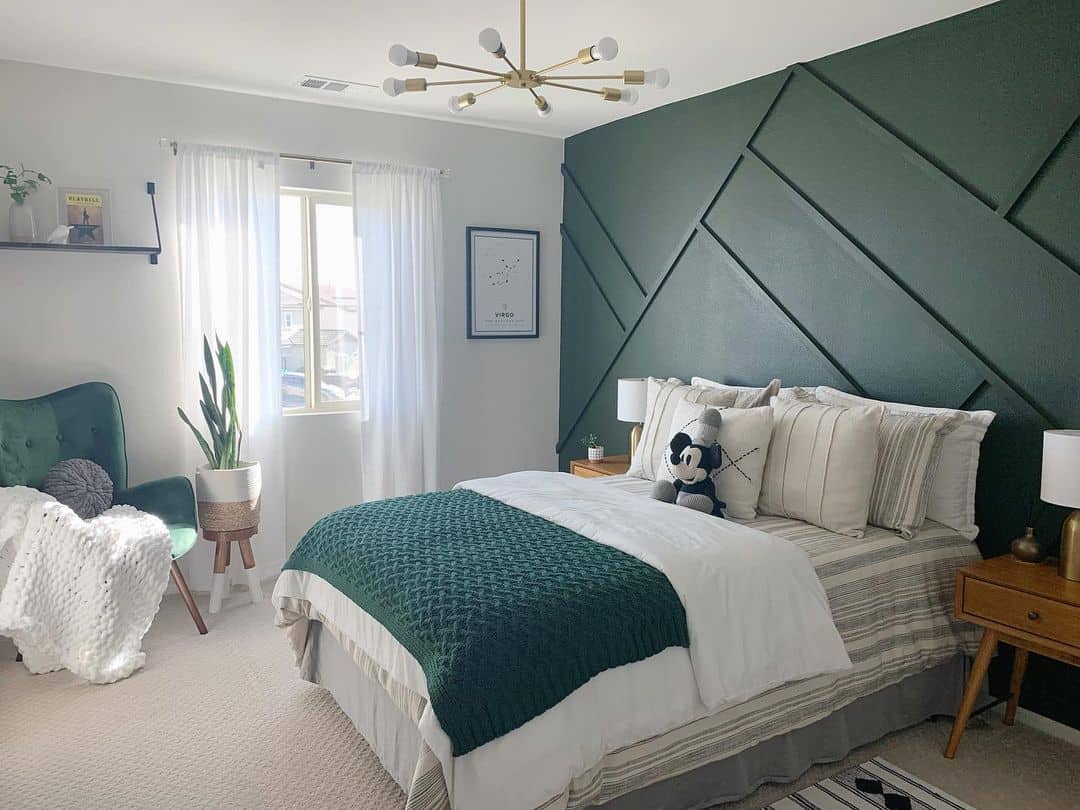
There's something incredibly appealing about bringing nature indoors. Wood paneling, stone veneer, and even reclaimed materials can create stunning accent walls. These natural elements bring warmth and authenticity to any bedroom. A wooden accent wall can make a modern space feel more grounded and cozy. Stone accents add sophistication and can serve as a beautiful contrast to soft fabrics. Reclaimed brick or barn wood creates rustic charm that many people find irresistible. These materials often tell stories and add character that's hard to replicate with synthetic alternatives. Natural textures also tend to age gracefully, making them excellent long-term investments for your home.
Creative and Unique Approaches
Don't be afraid to think outside the box when planning your bedroom accent wall. Some people choose to feature their favorite artwork directly on the wall. Others incorporate built-in shelving or display areas that double as functional decor. A gallery wall featuring family photos or travel memories can create a deeply personal focal point. Some homeowners experiment with mirror installations that reflect light and make small spaces feel larger. Consider using different materials on various sections of the wall - perhaps a painted section next to a wood panel area. These creative combinations can result in truly unique spaces that reflect your individual style.
Practical Tips for Implementation
Before diving into your accent wall project, consider several important factors. First, assess the size of your bedroom. Small rooms benefit from lighter colors that make spaces feel larger, while larger rooms can handle bolder choices. Measure everything carefully and plan for proper lighting. You'll want to ensure your accent wall doesn't feel isolated from the rest of the room. Consider how furniture placement will work with your chosen wall design. Don't forget about maintenance - some materials require more upkeep than others. Test samples of colors or materials in your actual space during different times of day to see how they look under varying lighting conditions.
An accent wall in your bedroom doesn't have to be complicated or expensive to be effective. Whether you choose a simple color, interesting texture, or creative combination of elements, the key is selecting something that resonates with your personal style and enhances your daily routine. Remember, your bedroom should be a place of peace and comfort, so whatever you choose, make sure it contributes to that feeling. Start small if you're unsure - maybe try a single accent wall before committing to a full transformation. The most important thing is that your bedroom reflects who you are and makes you feel good every time you step inside. After all, this is your personal haven, so make it count.


