
When you're shopping for a new bed, one question keeps popping up: just how heavy is a queen mattress? It's not just about comfort anymore – knowing the weight helps with moving, setup, and even your home's structural integrity. Whether you're planning a move, upgrading your bedroom, or simply curious about what you're dealing with, understanding mattress weights is essential. So grab a cup of coffee and let's dive into this surprisingly interesting topic.
Let's face it – we all have those moments when we wonder about the weight of something we're about to buy or move. A queen mattress isn't just another piece of furniture; it's a substantial item that can weigh anywhere from 80 to over 200 pounds. That's heavier than most people expect, especially if they've only dealt with twin or full-size mattresses before. But why do these numbers vary so much? And more importantly, how does this impact your life? We'll explore everything from basic weight ranges to practical considerations that make this knowledge incredibly useful.
Average Weight Ranges for Queen Mattresses
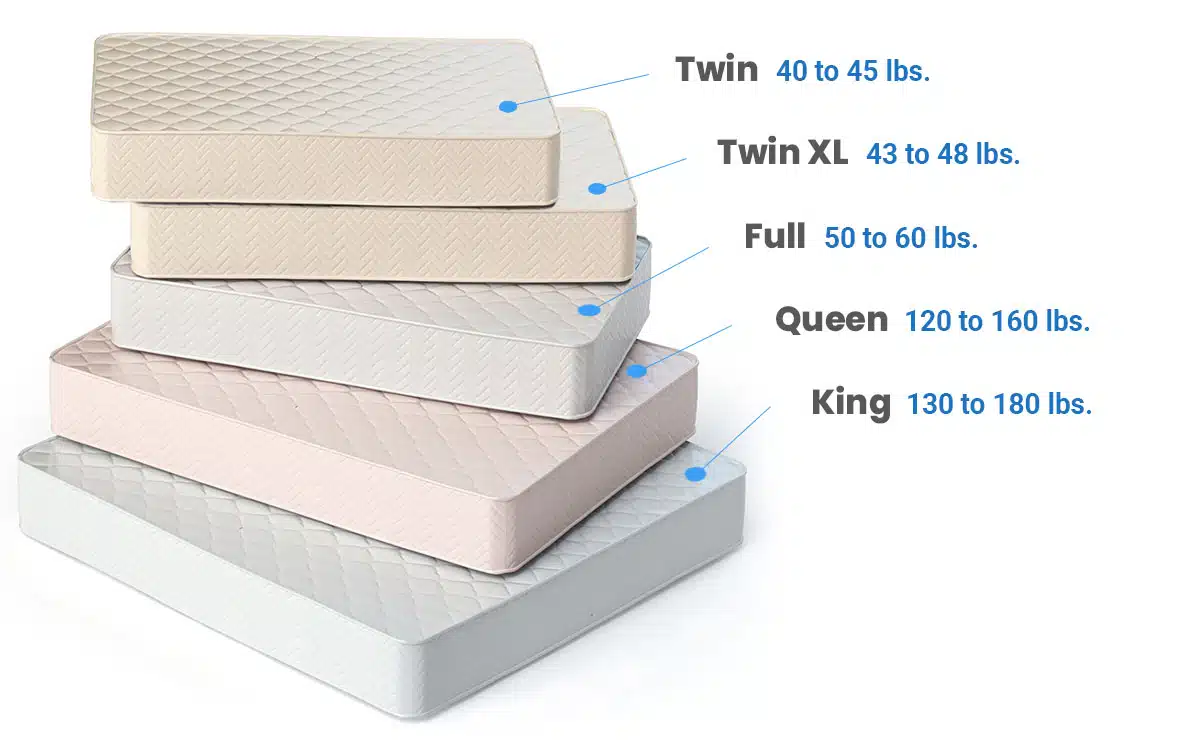
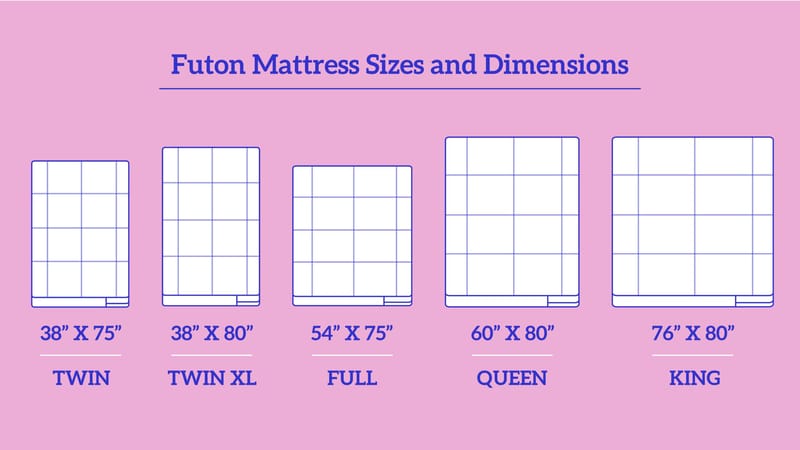
The typical queen mattress falls somewhere between 80 and 150 pounds, but some can be significantly heavier. Think about it like this: a standard queen measures 60 inches wide by 80 inches long. That's a lot of material packed into one space. Different materials and construction methods play big roles in final weight. For instance, memory foam queen mattresses often fall on the higher end because of their dense composition. In contrast, innerspring models might be lighter due to their coil-based structure. The exact weight really depends on what's inside. A basic foam mattress might weigh around 100 pounds, while a premium hybrid model could hit 180 pounds or more. Some luxury brands even go beyond that range. When you're considering a purchase, don't just think about comfort – consider how much you'll need to lift or move.
Factors That Influence Mattress Weight
Several elements contribute to how heavy your queen mattress will be. First, the type of material matters enormously. Memory foam tends to be denser and thus heavier than latex or innerspring options. The thickness also plays a role – a 12-inch mattress naturally weighs more than a 7-inch version. Layering affects weight too. More padding layers, extra support systems, and additional components all add mass. For example, a queen mattress with multiple foam layers, a latex top, and a strong coil base will definitely weigh more than one made of single-density foam. The brand and quality level also factor in. Premium brands often use better materials and more construction, which increases overall heft. It's almost like comparing a simple sandwich to a gourmet meal – both satisfy hunger, but one requires more ingredients and effort to make.

Material-Specific Weight Comparisons
Different mattress types bring different weights to the table. Memory foam queen mattresses typically range from 120 to 180 pounds, thanks to their high-density foams and often multiple layers. Latex mattresses usually weigh between 90 and 140 pounds, with natural latex being slightly heavier than synthetic versions. Innerspring queen mattresses generally fall between 80 and 130 pounds, depending on coil gauge and density. Hybrid models, which combine foam and coils, can weigh anywhere from 120 to 200 pounds. Some people find that their memory foam mattress feels heavier than expected after delivery, which is normal since it often comes compressed in a box. This compression makes it seem lighter during shipping but reveals its true weight once unboxed. Understanding these differences helps you prepare mentally and physically for handling your new mattress.
Moving and Transportation Considerations

Moving a queen mattress isn't just about lifting – it involves careful planning. Most people underestimate how difficult it can be to transport one. The average person can safely handle about 50 pounds, so anything over that means needing help. If you're moving to a new place, consider hiring movers or asking friends for assistance. Many stores offer delivery services that include removing old mattresses and installing new ones. These services often include moving the mattress up stairs, which can be tricky. When transporting, remember that a queen mattress is about the size of a small child, so it needs to fit through doorways and tight spaces. Some people opt for a dolly or moving straps to make the job easier. The actual weight of the mattress becomes important when you're thinking about whether your vehicle can handle it. A compact car won't cut it for a heavy hybrid mattress, for example. Planning ahead helps avoid unnecessary stress and potential injury.
Structural Impact on Your Home
A queen mattress's weight has implications beyond just moving it. Your bedroom floor needs to support that load. Most residential floors are designed to hold 40 pounds per square foot, which means a queen mattress should be fine in most homes. However, older buildings or those with thin flooring might need extra attention. If you live in a basement or upper floor, check your home's structural capacity. Heavy mattresses can cause creaking or sagging over time, especially if the foundation isn't strong enough. Some people notice that their floorboards shift slightly when they first place a heavy mattress down. That's normal, but if there are persistent issues, it might be worth consulting a professional. Also, consider how your bed frame supports the weight. A solid platform bed handles heavy mattresses better than a traditional wooden frame. It's not just about comfort – it's about safety and longevity.
Practical Tips for Handling Heavy Mattresses
Dealing with a heavy queen mattress requires preparation and smart strategies. Here are some helpful approaches:
These tips might seem basic, but they prevent injuries and ensure smooth transitions. Remember, it's better to spend a little extra time preparing than risk damage to yourself or your belongings. Many people regret not getting help early in the process. Don't let the weight of a queen mattress intimidate you – with proper planning, it's manageable.

Real-Life Scenarios and Common Mistakes
Many people encounter surprises when they finally see their new queen mattress. One common mistake is assuming it will be light like smaller beds. Another is underestimating the difficulty of moving it up stairs. Some shoppers don't realize that certain mattress types, like thick memory foam, can be surprisingly heavy when fully expanded. Real-world stories show that people often struggle with their first queen mattress delivery. One customer reported that her new mattress was 180 pounds, far heavier than she expected. She had to call her brother for help. Another person thought they'd manage the move themselves, only to discover that their apartment building wouldn't allow large furniture deliveries. These scenarios highlight the importance of realistic expectations and good preparation. When you know what you're dealing with, you can plan accordingly and avoid frustrating situations.
Why Weight Matters Beyond Just Moving
Mattress weight impacts more than just moving logistics. It affects how well your bed settles into the floor, how it interacts with your existing furniture, and even how it ages over time. Heavier mattresses often provide more stability and less motion transfer, which means less disturbance when your partner moves around. On the flip side, very heavy mattresses can sometimes indicate poor construction or overuse of materials. It's a balance between comfort and practicality. Some people prefer the added weight for a sense of security and durability, while others find it burdensome. Ultimately, the right mattress weight depends on your lifestyle, living situation, and personal preferences. Whether you're a light sleeper or someone who enjoys the feeling of a solid, substantial bed, knowing the weight helps you make informed decisions.
Understanding how much a queen mattress weighs isn't just about numbers – it's about preparation, safety, and making smart choices. From helping you choose the right moving strategy to ensuring your home can support the weight, this knowledge proves invaluable. Whether you're a first-time buyer or someone looking to upgrade, knowing the typical weight ranges helps set realistic expectations. Remember, a queen mattress is a significant investment, both financially and physically. Taking time to understand its weight characteristics means smoother transitions and better long-term satisfaction. Next time you're shopping for a new bed, don't just focus on comfort features – also consider how much you'll need to handle. It might just save you from a few headaches down the road. The right mattress should feel great, but it should also work with your life, not against it.


