
When it comes to kids' bedrooms, bunk beds have become a staple in many households. But there's more to these elevated sleeping spaces than meets the eye. Beyond just the bed itself, the access methods - whether slide or stairs - play a crucial role in ensuring safety and comfort for young sleepers.
Picture this: a bedroom filled with excitement, but also potential danger. Bunk beds are wonderful space-saving solutions that give kids their own private sleeping area, but they come with their own set of safety considerations. The way children access their upper bunks matters enormously. Whether they slide down or climb up and down using stairs, each method brings its own unique benefits and risks. This guide will walk you through everything you need to know about bunk bed slides and stairs to make informed decisions for your family.
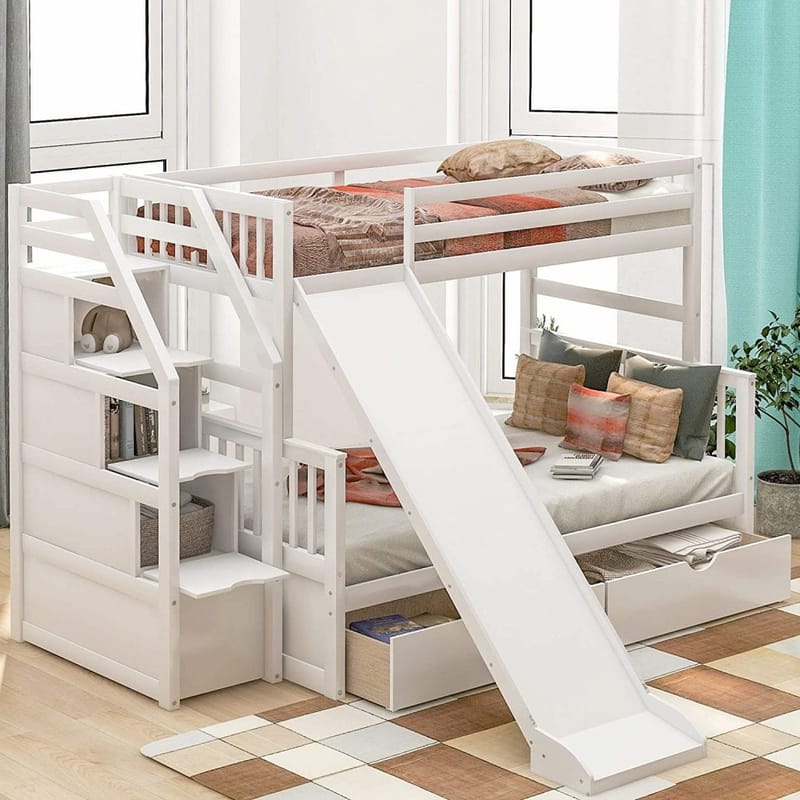
Understanding Bunk Bed Safety Standards
Safety isn't just a buzzword when it comes to bunk beds. There are actual regulations that govern how these structures should be built and used. The Consumer Product Safety Commission (CPSC) sets strict guidelines that manufacturers must follow. These standards cover everything from the height of guardrails to the spacing between slats. When you're looking at bunk beds with slides or stairs, make sure they meet these safety benchmarks. A well-built bunk bed with proper safety features can be a safe haven for kids, but poor construction can turn a cozy sleeping spot into a hazard zone. Many parents overlook these details, thinking "it looks fine," but remember that even small gaps or loose connections can lead to serious accidents.
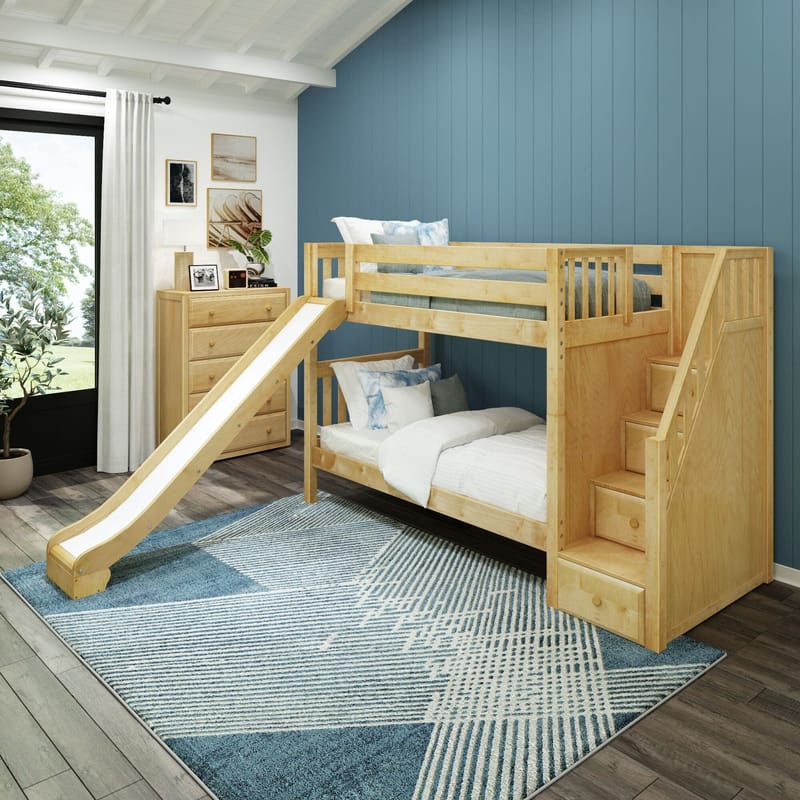
Slide vs. Stairs: What Parents Really Want
The debate between slides and stairs often comes down to what makes life easier for families. Some parents love the idea of a slide because it gives kids a fun way to get down from their bunk. It's almost like having a mini playground in their room. But let's be honest, sliding down a bunk bed isn't always smooth sailing. Kids might get stuck, or worse, fall off the slide entirely. On the other hand, stairs offer more control and stability. They're particularly useful for younger children who aren't quite ready for the thrill of sliding. The choice really depends on the age of your children, their physical abilities, and your family's lifestyle. Some families prefer the convenience of a slide for older kids, while others stick with stairs for everyone.
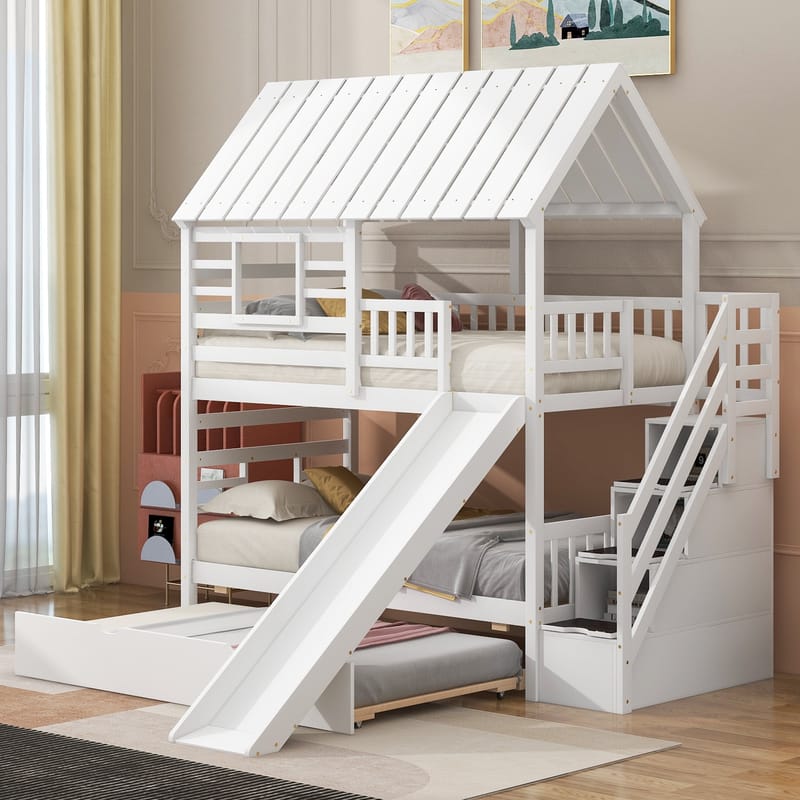
Age-Appropriate Considerations
There's no one-size-fits-all answer when it comes to bunk bed access. Younger children, especially those under five, are better served by stair access rather than slides. Their coordination isn't fully developed yet, and they might not handle the slide safely. The CPSC recommends that children under six shouldn't use slides on bunk beds. For toddlers, a simple staircase provides better security and prevents falls. As kids grow older, they may develop enough balance and coordination to enjoy a slide. But even then, it's important to consider their personality. Some kids are naturally cautious, while others are thrill-seekers. A careful assessment of your child's character can help determine if a slide is right for them.
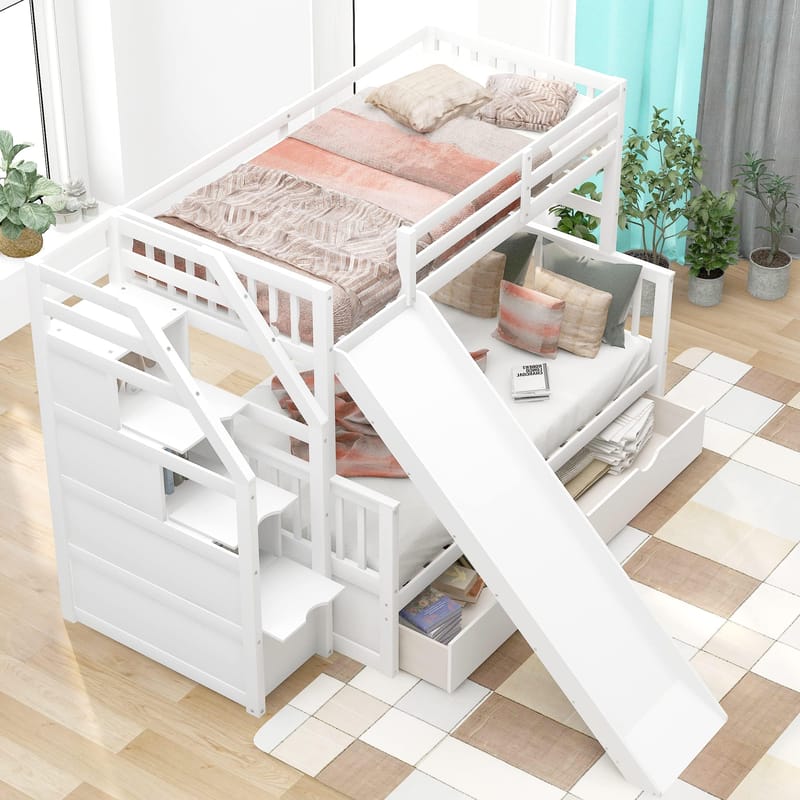
Design Features That Matter
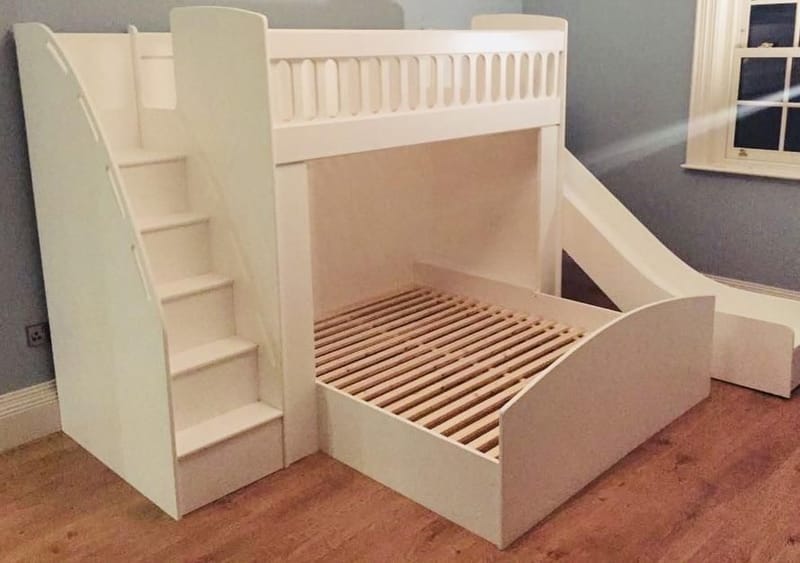
Modern bunk beds come with a variety of design options that affect both safety and usability. The type of slide or stairs you choose can significantly impact how well the bed functions for your family. Look for features like non-slip surfaces on stairs to prevent accidents. Some slides have built-in safety rails or padding to protect children during descent. Others might include a locking mechanism to prevent accidental use. When considering a bunk bed with a slide, check if it includes a ladder or additional support bars. These elements work together to create a safer overall structure. The materials used matter too - sturdy wood or metal frames hold up better over time than flimsy alternatives. A good bunk bed should feel solid when you shake it, and all joints should be tight.
Real-Life Scenarios and Common Mistakes
Let's talk about some situations that actually happen in real homes. One common mistake is assuming that because a bunk bed has a slide, it's automatically safe. That's not true at all. A slide that's too narrow or has sharp edges can cause injuries. Another frequent error is installing a bunk bed without proper anchoring to the wall. Without secure mounting, the entire structure could tip over. Some parents also neglect to supervise young children when they're using bunk beds, thinking that if it's safe, they don't need to watch. But accidents happen, and even the safest setup needs adult oversight. There was a case where a family had a perfectly safe bunk bed, but the child fell out of bed because they weren't taught how to properly navigate the stairs. These stories remind us that safety isn't just about the product - it's also about how we use it.
Maintenance and Long-Term Care
A bunk bed is an investment that lasts for years, so proper maintenance is essential. Regular checks for loose screws, worn-out parts, or damage to the slide or stairs are crucial. Children can be rough on furniture, and what seems like normal wear and tear might actually indicate a developing problem. Check the slide regularly for cracks or splinters that could cause cuts. Make sure the stairs stay clean and dry to prevent slipping. If you notice any wobbling in the frame, don't ignore it. Tighten bolts, replace damaged components, and keep an eye on the hardware. Many parents find it helpful to create a simple maintenance schedule, checking the bunk bed monthly. This routine helps catch issues before they become major problems. Remember, a well-maintained bunk bed is not just safer, it's also more enjoyable for kids to use.
Choosing between bunk bed slides and stairs ultimately comes down to balancing safety, practicality, and your family's specific needs. Both options can provide safe and enjoyable sleeping experiences when properly selected and maintained. The most important thing is understanding that no matter which path you choose, regular attention to safety features and ongoing supervision are vital. Every family is different, and what works for one might not work for another. The key is making informed decisions based on your children's ages, personalities, and your home environment. With proper planning and care, bunk beds can be wonderful additions to any bedroom, offering both practical space-saving benefits and a sense of independence for growing children. Don't rush into a decision - take time to evaluate what will truly work best for your family's situation.


