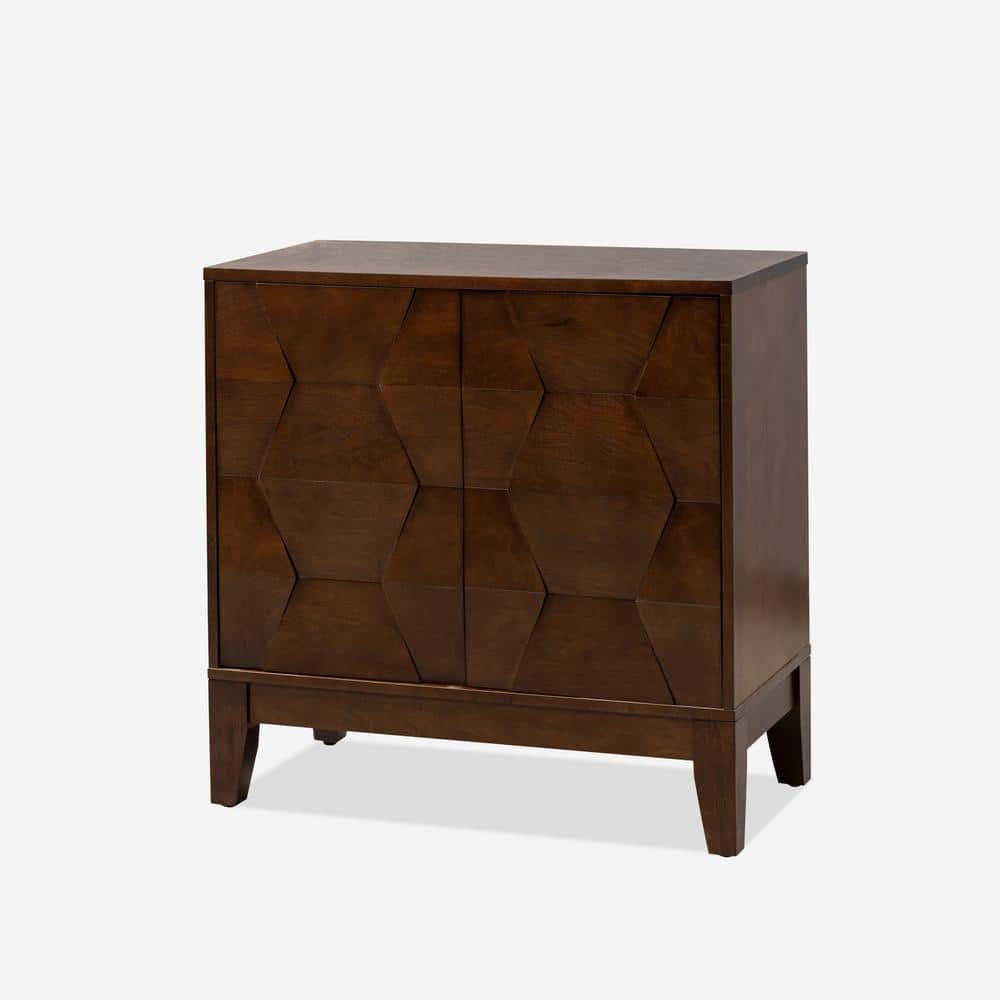
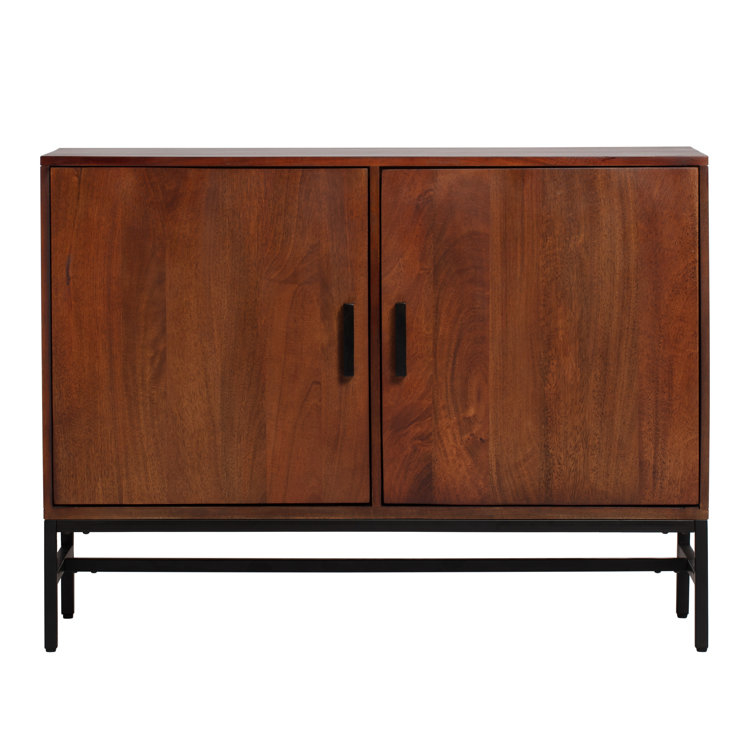
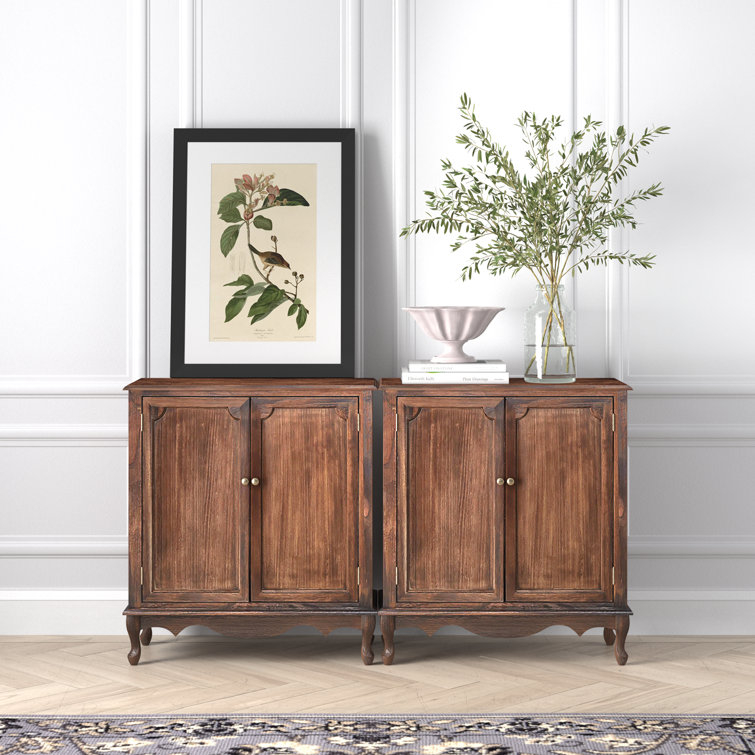
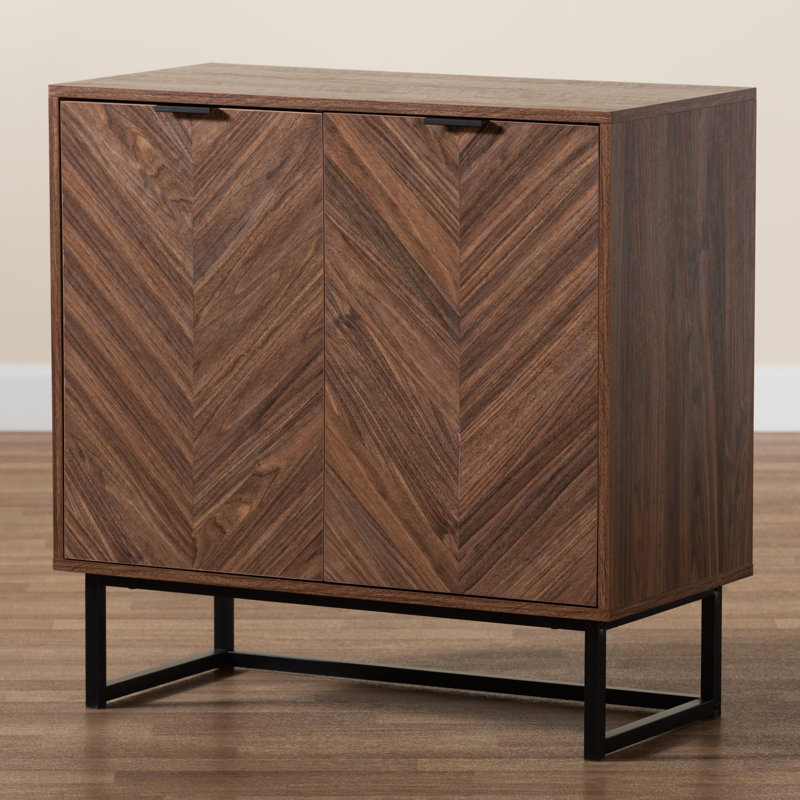
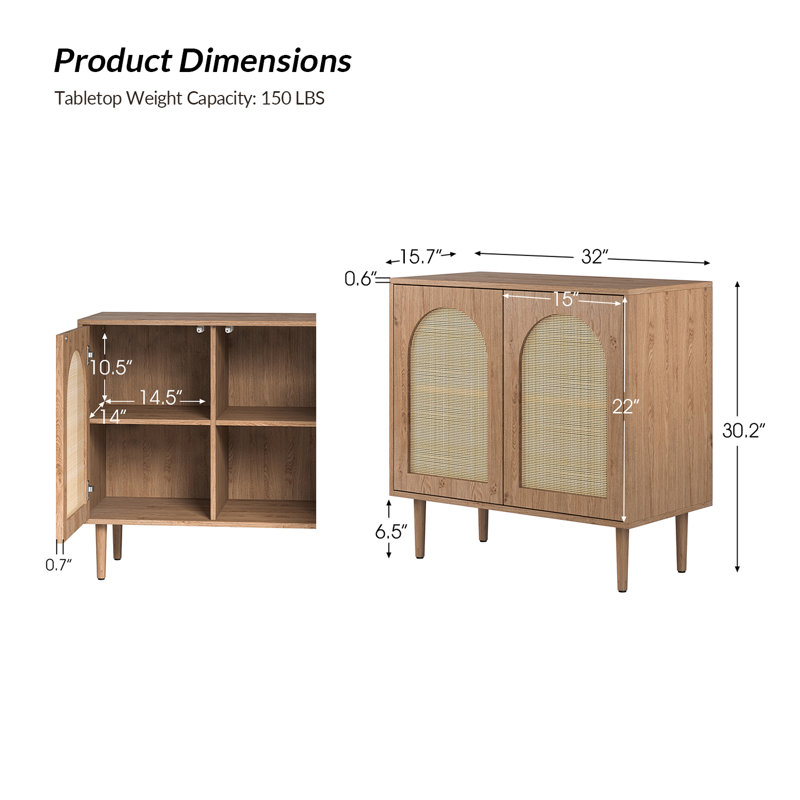
Walk into a room and feel the difference. It's that undeniable warmth, that subtle elegance that solid wood accent cabinets bring. They’re not just storage; they are statements. But have you ever stopped to wonder what truly makes them so special? It’s the dedication, the skill, and the sheer artistry poured into every joint and every finish. Let's pull back the curtain and see what goes into creating these beautiful and functional pieces.
We've all seen them, haven't we? Those handsome cabinets that just seem to anchor a space, adding character and a touch of sophistication. Solid wood accent cabinets are more than just trendy decor; they're a nod to tradition and a testament to enduring quality. In a world of fast furniture, these pieces stand tall, often handcrafted with a level of care that’s becoming increasingly rare. So, what exactly is the magic behind them? It’s a blend of nature's finest materials and human ingenuity, a dance between raw timber and skilled hands. Ready to explore this fascinating world? Let's dive in.
The Foundation: Selecting the Right Timber
It all begins with the wood itself. For accent cabinets, the choice of timber is paramount. You'll often find hardwoods like oak, cherry, maple, and walnut taking center stage. Why? Because these woods are not only beautiful with their distinct grain patterns and rich hues, but they're also incredibly durable. Think about it: a cabinet needs to withstand daily use, so a strong foundation is critical. The best artisans don't just grab any plank. They carefully inspect each piece for quality, ensuring there are no knots or imperfections that could compromise the structure or aesthetics. This initial selection process is the first crucial step in building a cabinet that will last for generations. It's about respecting the material and understanding its potential. For instance, cherry wood deepens in color over time, developing a lovely patina, while walnut offers a deep, luxurious brown. Each wood has its own story to tell, and the craftsman becomes its interpreter.
Precision Joinery: The Art of Connection
How are these cabinets put together? This is where the real magic of woodworking shines. Unlike mass-produced furniture that might rely on screws and glue alone, solid wood cabinets often feature time-tested joinery techniques. Dovetail joints, for example, are incredibly strong and visually appealing, creating a secure interlocking connection that can withstand significant pulling forces. Mortise and tenon joints are another favorite, offering robust structural integrity. These methods require immense precision and a deep understanding of how wood behaves. It’s not just about fitting pieces together; it’s about creating a seamless, strong bond that looks as good as it feels. Imagine a drawer that slides smoothly, year after year, thanks to perfectly crafted dovetails. That's the hallmark of quality construction. These aren't just connections; they're declarations of durability and expert workmanship.
The Finishing Touches: Enhancing Natural Beauty
Once the cabinet is assembled, the finishing process begins. This isn't just about making it look pretty; it's about protection and highlighting the wood's inherent beauty. Artisans often use hand-applied finishes like oils, waxes, or lacquers. Each method offers a different sheen and level of protection. An oil finish, for instance, penetrates the wood, giving it a natural, matte look and enhancing the grain. Lacquer provides a more durable, glossy surface. The process is meticulous: multiple coats are applied, often sanded lightly between each one to ensure a smooth, even surface. Stains might be used to deepen or alter the wood's color, but the goal is almost always to let the natural character of the wood shine through. Think of it as a skilled painter bringing out the best in a subject – the craftsman does the same with timber. This careful attention to the surface ensures the cabinet not only looks stunning but is also protected from moisture and wear.
Design Details: Where Form Meets Function
Solid wood accent cabinets aren't just about construction; they're also about thoughtful design. Whether it's the style of the doors (raised panel, flat panel, glass-fronted), the type of hardware (knobs, pulls, hinges), or the overall silhouette, every detail is considered. Many artisans offer customization, allowing you to tailor a piece to your specific needs and aesthetic. Perhaps you need a cabinet with adjustable shelves for maximum versatility, or maybe you're looking for a particular antique-inspired design. The beauty of solid wood pieces is their adaptability. They can be designed to be rustic and charming, sleek and modern, or elegantly traditional. The hardware, too, plays a significant role. A simple wooden knob can create a minimalist look, while ornate metal pulls can add a touch of vintage flair. It’s this attention to the fine points that elevates a cabinet from functional storage to a true design element.
The Human Element: Skill and Passion
At the heart of every well-made solid wood accent cabinet is a skilled craftsperson. These aren't machines churning out identical items. These are individuals who have dedicated years to honing their skills, understanding the nuances of different woods, and mastering complex techniques. There's a passion involved, a pride in creating something tangible and beautiful that will be cherished. You can often see the subtle variations, the slight imperfections that, paradoxically, speak to the authenticity of handmade work. It’s this human touch, this dedication to quality over quantity, that gives these cabinets their soul. When you purchase a solid wood accent cabinet, you're not just buying furniture; you're acquiring a piece of someone's expertise and artistry. It’s an investment in craftsmanship and a connection to a tradition of making things well.
Caring for Your Investment: Longevity and Maintenance
Owning a solid wood accent cabinet is a joy, and with a little care, it can last a lifetime and beyond. Dusting regularly with a soft, dry cloth is the most basic and important step. For spills or marks, a slightly damp cloth followed by immediate drying is usually sufficient. Avoid harsh chemical cleaners, as these can damage the finish and the wood itself. If the finish starts to look dull, a good quality furniture polish or wax specifically designed for wood can restore its luster. For deeper scratches or wear, many finishes can be repaired or renewed by a professional, or even by a dedicated DIYer with the right knowledge. Understanding the type of finish on your cabinet will help guide your maintenance routine. It's about preserving the beauty and integrity of the wood, ensuring that your cabinet remains a cherished piece for years to come. Regular, gentle care is the key to its enduring appeal.
So, the next time you admire a solid wood accent cabinet, take a moment to appreciate the journey it took to get there. From the careful selection of timber and the precision of its joinery to the meticulous finishing and thoughtful design, each step is a testament to skill and dedication. These aren't just pieces of furniture; they are functional works of art, built with integrity and designed to bring warmth and character into your home for years, even decades, to come. They represent a commitment to quality that’s truly worth celebrating and investing in. They are, quite simply, heirlooms in the making.