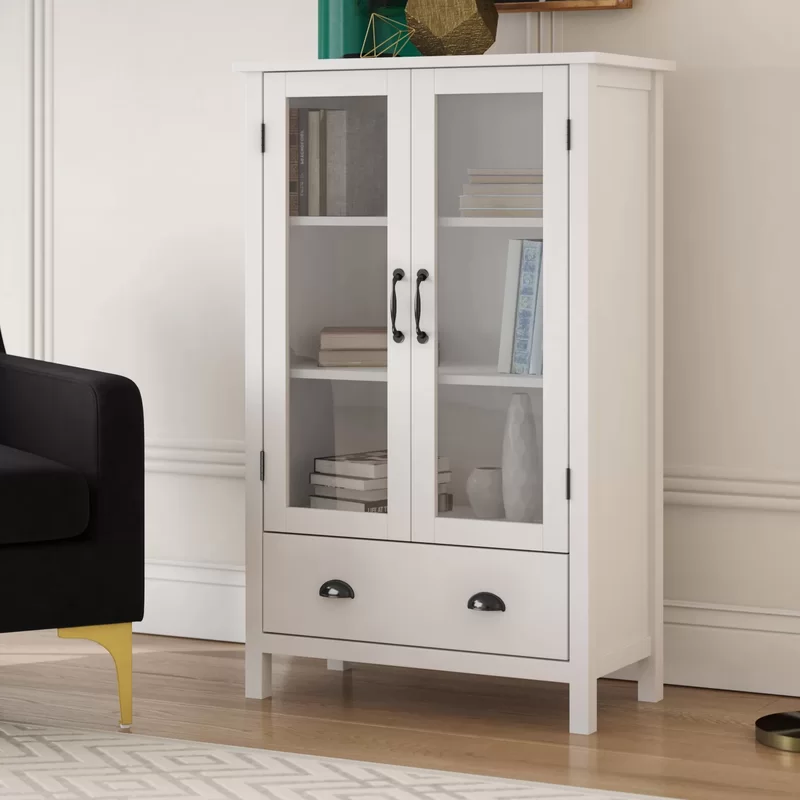
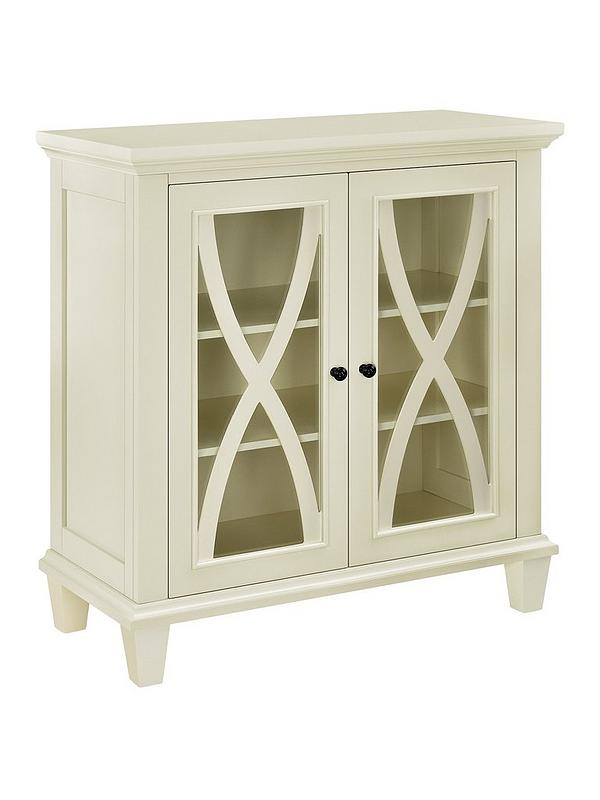
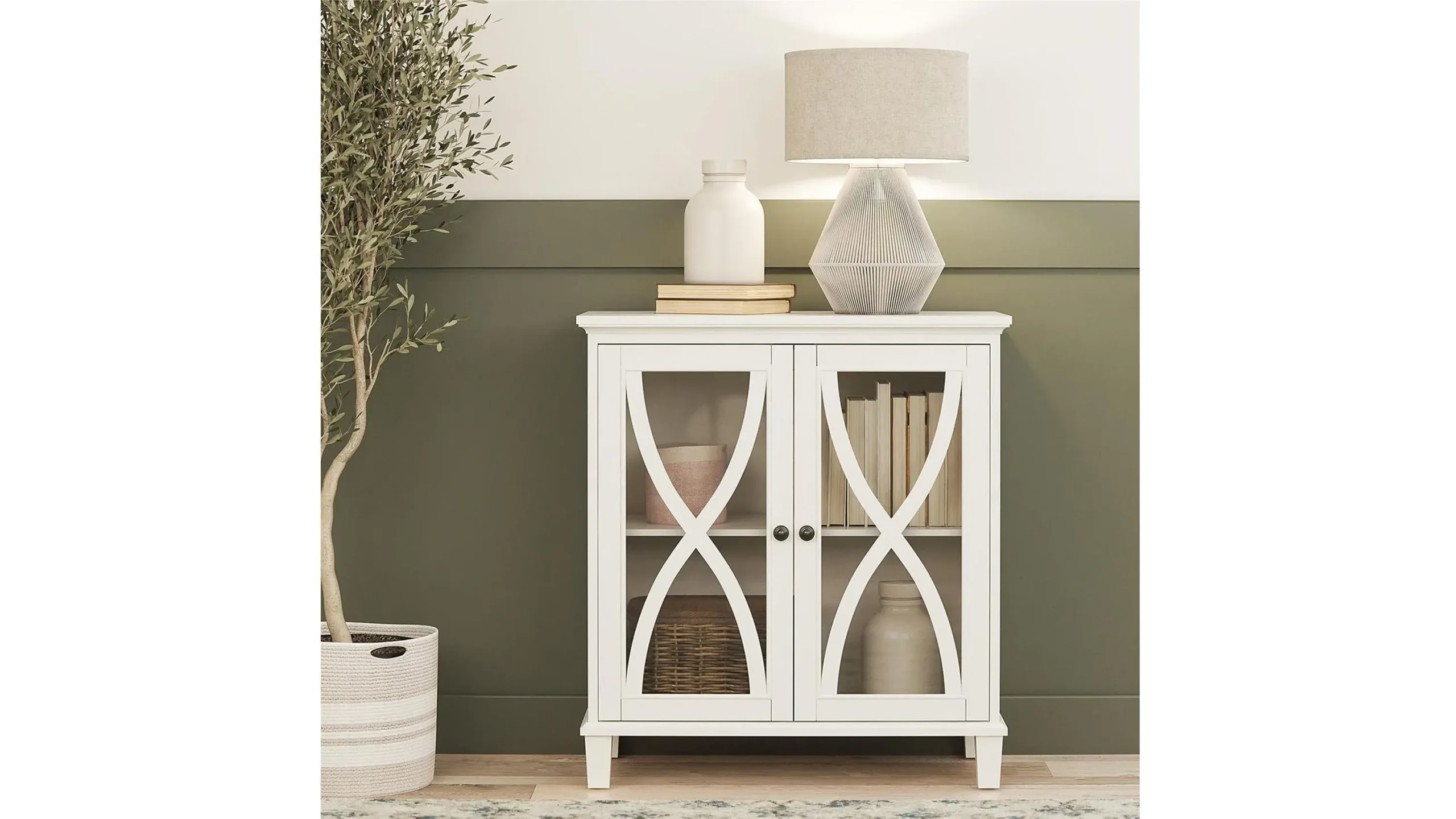
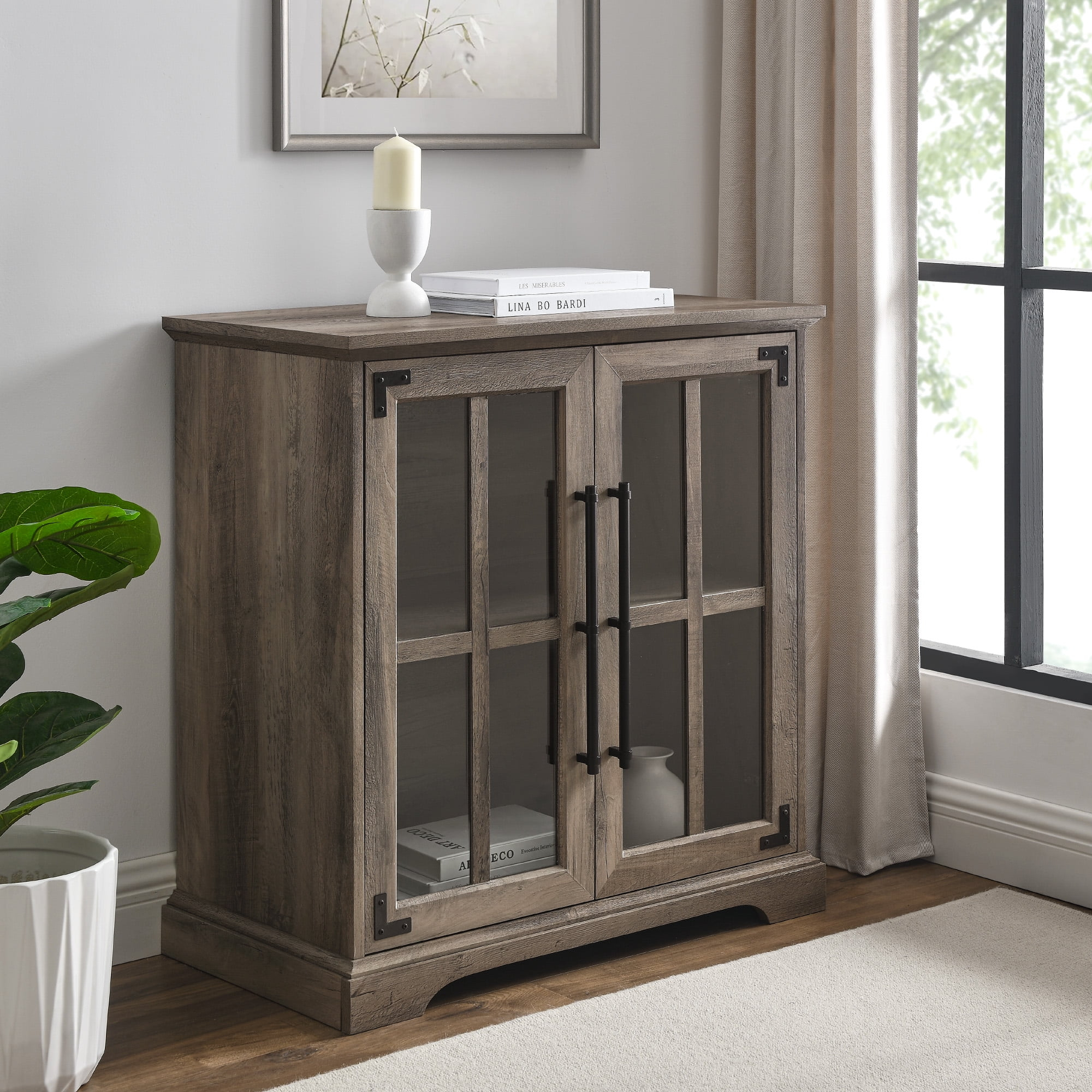
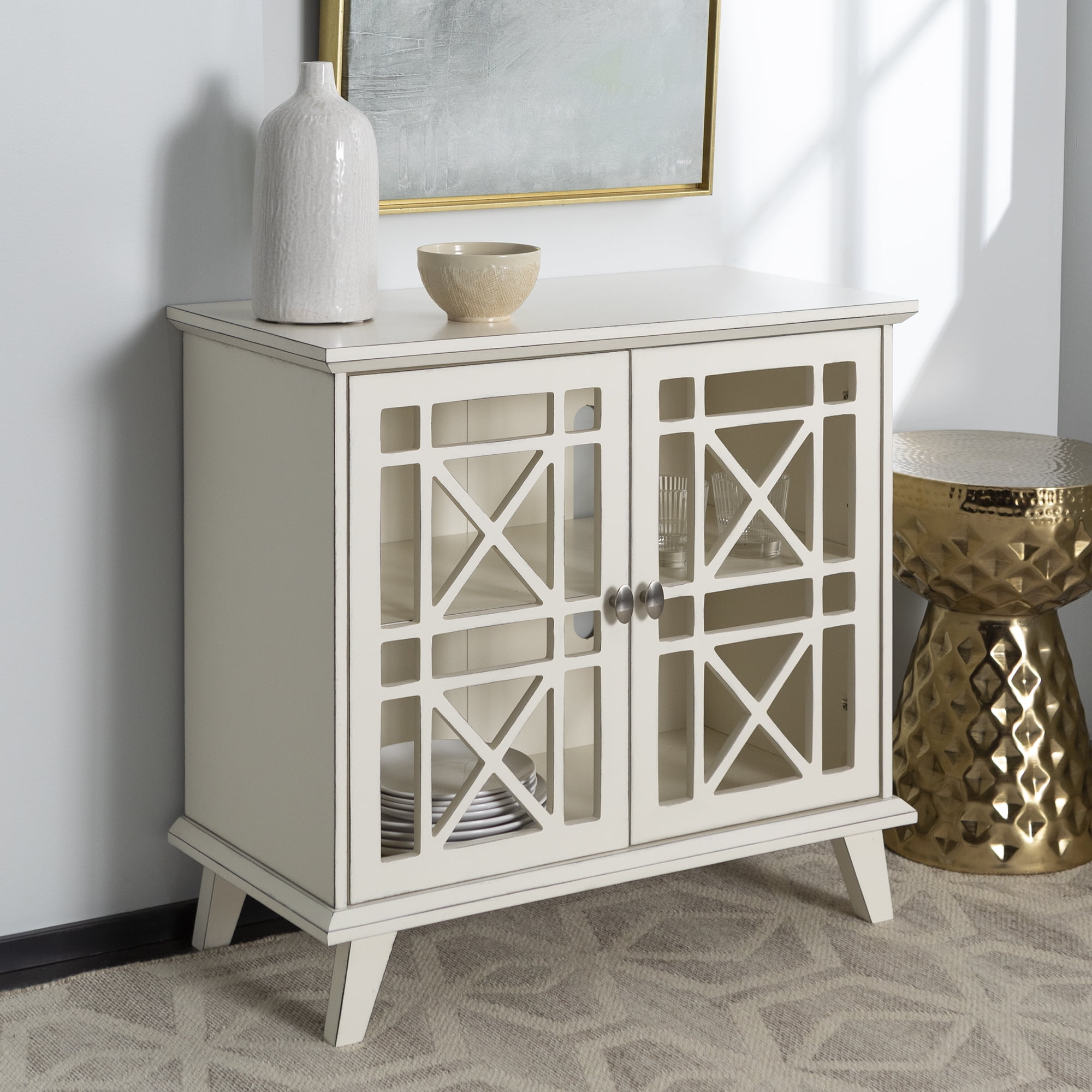
We often think of cabinets as purely for stowing things away. But what if they could do more? What if they could actively shape the way light moves through your home, turning ordinary spaces into something truly special. That's where glass door cabinets come in, offering a unique opportunity to design with light and shadow in ways you might not have imagined. It's not just about what you store, but how you display it, and how the very structure of the cabinet interacts with the illumination in your room.
Have you ever walked into a room and felt an immediate sense of openness and airiness. Often, this feeling is no accident. It's a result of thoughtful design, and a key player in creating that magic is often light. Specifically, how light bounces, reflects, and filters through your space. Traditional cabinets can sometimes feel heavy and blocky, absorbing light rather than distributing it. But what happens when you introduce glass. Suddenly, you’re not just storing items; you’re creating opportunities for light to dance. Glass door cabinets are more than just a storage solution; they're a design element that can profoundly impact the mood and perceived size of your home. They offer a way to break up solid masses, allowing light to penetrate deeper into your living areas and creating captivating interplay between illuminated objects and the shadows they cast.
The Illuminating Power of Glass
Glass, in its various forms, has an innate ability to interact with light. When used in cabinet doors, it acts like a prism, catching and redirecting light sources. Think about the sun streaming through a window and hitting a glass-fronted cabinet. Instead of a dull thud of light being absorbed, the glass diffuses it, sending gentle rays bouncing around the room. This diffusion can make a space feel larger and more welcoming. Even artificial light, like from a pendant lamp or a nearby lamp, can be amplified and softened through glass. It’s like having mini-light diffusers built right into your storage. This isn't just about making things brighter, though. It's about creating a softer, more inviting ambiance. The light isn't harsh; it's gentle and inviting, making your home feel more livable and comfortable. It’s a simple change that can have a significant effect on the overall feel of your dwelling.
Strategic Placement: Where to Put Your Glass
The effectiveness of glass door cabinets hinges on where you decide to place them. Consider areas that tend to be a bit dim. Perhaps a corner of your living room that always feels a little shadowy, or a hallway that lacks natural light. Placing glass cabinets here can act as a beacon, drawing in and scattering any available light. Think about opposite wall placement too. If you have a window, placing glass cabinets on the wall opposite can reflect the natural light, making the entire room feel more luminous. It's about strategically using these cabinets to bounce light around, filling in the darker nooks and crannies. Don't be afraid to experiment. Sometimes, the most impactful placement isn't the most obvious one. Look at your room’s natural light patterns throughout the day and see where a touch of glass could make the biggest difference. A well-placed glass cabinet can become a focal point, drawing the eye and creating visual interest.
Playing with Contents: What You Display Matters
The beauty of glass door cabinets isn't just in the glass itself, but in what you choose to put behind it. This is where the 'shadow' aspect of our design comes into play. When you display items, especially those with interesting textures or shapes, they catch the light and cast subtle shadows. This creates depth and visual interest. For a truly dynamic effect, consider displaying a mix of items. Some items might be lighter and brighter, reflecting light, while others could be darker or have more intricate details that create intriguing shadows. Think about books with colorful spines, decorative objects, or even a collection of glassware. The arrangement is key. Grouping items can create larger shadow forms, while scattering them can create a more delicate, dappled effect. It’s like curating a mini-exhibition within your own home. The goal is to create a visual dialogue between the items, the light, and the shadows they produce. This is where your personal style truly shines through.
Types of Glass and Their Effects
Not all glass is created equal, and the type you choose will significantly alter the light and shadow effects. Clear glass offers the most direct interaction, allowing light to pass through and reflecting the contents clearly. This is great for showcasing prized possessions. Frosted or reeded glass, on the other hand, offers a more diffused and mysterious effect. Light still penetrates, but the view of the contents is softened, creating a gentle glow and more subtle shadows. This can be perfect for areas where you want a hint of display without everything being on full view. Textured glass, like hammered or flaked, adds another layer of visual intrigue, breaking up light in unique patterns and creating more complex shadow play. Even the thickness and tint of the glass can influence how light behaves. Exploring these different options can help you achieve the specific atmosphere you’re aiming for. It's about understanding how each material interacts with illumination.
Beyond the Living Room: Kitchens and Beyond
While glass door cabinets are fantastic in living rooms and dining areas, their utility extends far beyond. In the kitchen, they can break up the solid expanse of upper cabinets, making the space feel less enclosed and more open. Imagine displaying your favorite ceramic dishes or glassware. It adds a personal touch and makes the kitchen feel more like a lived-in space. In a home office, they can house books and decorative items, adding a touch of sophistication while still allowing light to filter through. Even in a bedroom or entryway, a well-placed glass cabinet can serve as a beautiful display piece, enhancing the overall aesthetic. The principles of light and shadow apply everywhere. It’s about using these elements to enhance functionality and beauty, no matter the room. Think about how light moves through each space and how glass can help optimize it.
Tips for Maximizing Light and Shadow
So, how can you best leverage glass door cabinets for a brighter, more dynamic space. Here are a few practical pointers:
- Cleanliness is Key: Regularly clean your glass doors. Smudges and dust can significantly dull the light and obscure your displays.
- Strategic Backings: Consider the back panel of your cabinets. A mirrored backing will reflect even more light, while a lighter colored backing can enhance the diffusion.
- Lighting Inside: For truly dramatic effects, install subtle interior lighting within the cabinets. This allows you to control the light and shadow play even when the room is dimly lit.
- Vary Heights and Depths: Don't be afraid to mix glass door cabinets with solid ones, and vary their heights and depths for visual interest and to create more complex shadow patterns.
- Consider the Finish: A polished finish on your cabinet frames will reflect more light than a matte one.
- Experiment with Arrangement: Regularly rearrange the items inside your glass cabinets. Even small changes can alter the light and shadow dynamics.
Designing with light and shadow is an art form, and glass door cabinets are a wonderful tool in your arsenal. They offer a way to not only store your belongings but to actively enhance the ambiance and perceived spaciousness of your home. By thoughtfully considering their placement, the items you display, and the type of glass you choose, you can transform ordinary spaces into luminous sanctuaries. It’s about creating a dynamic interplay, a visual conversation between light, shadow, and your personal style. So, next time you're thinking about cabinetry, remember the potential that lies within those glass doors. They're an invitation to play with light, to embrace shadow, and to craft a home that feels brighter, more inviting, and uniquely yours. It's a subtle yet powerful way to elevate your living space.