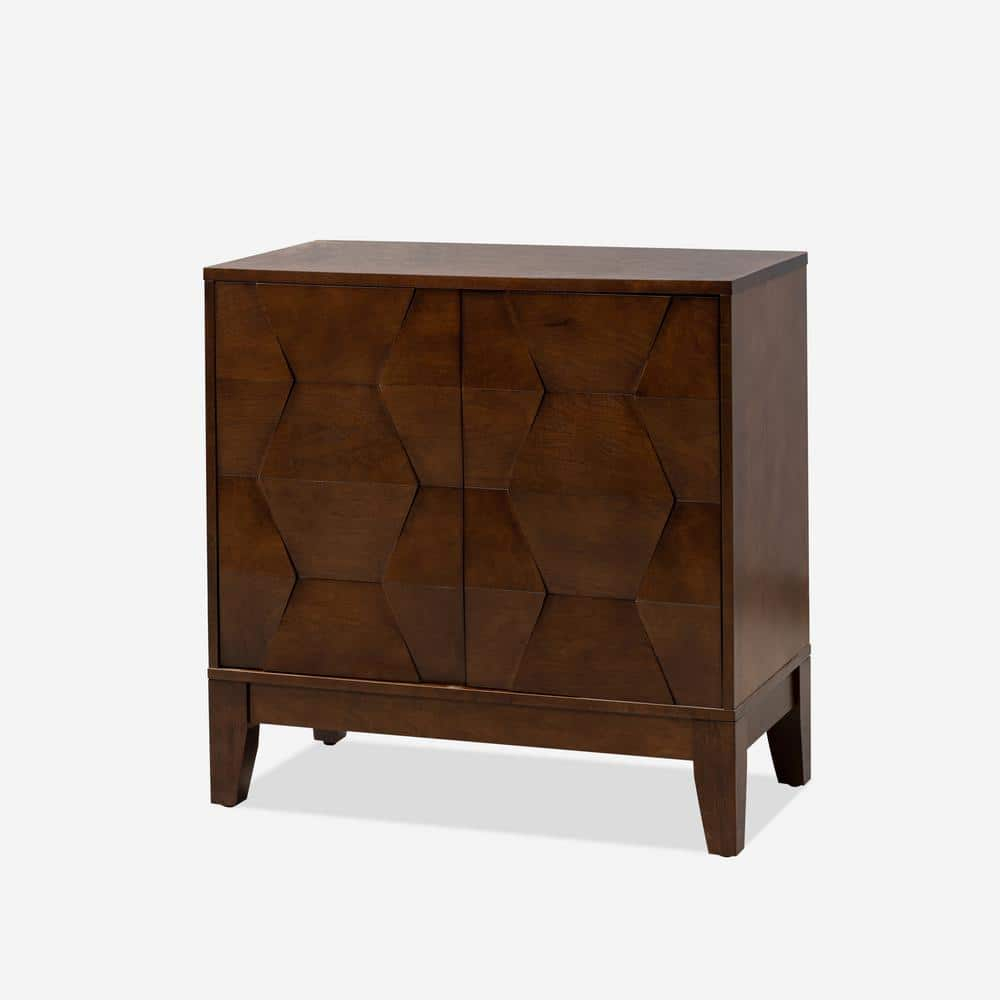
There's something undeniably special about walnut. It’s a wood that speaks of quality, warmth, and a touch of luxury. For designers and homeowners alike, walnut accent pieces offer a versatile and enduring way to inject character and sophistication into almost any interior style. From the subtle grain patterns to its deep, inviting color, walnut has a way of grounding a space and making it feel instantly more polished and inviting. Let's explore how you can harness its power.
Ever walked into a room and felt an immediate sense of warmth and elegance. Chances are, walnut played a starring role. This hardwood, known for its rich, deep brown hues and beautiful, often straight grain, has been a favorite in fine furniture and design for centuries. What makes it so special? It's its incredible versatility and its ability to age gracefully. Unlike some trends that fade, walnut only seems to deepen its appeal over time. It’s a material that doesn't just decorate a space; it enriches it. Whether you're aiming for a modern minimalist look, a cozy Scandinavian vibe, or a classic traditional feel, walnut accent pieces can bridge the gap and add that perfect finishing touch. Ready to see how?
Understanding Walnut's Appeal: Color and Grain
Before we start placing pieces, let's talk about what makes walnut so desirable. Its color is its most striking feature. It ranges from a lighter, yellowish-brown to a deep, dark chocolate brown, often with purplish or reddish undertones. This depth of color is what gives it that luxurious feel. Then there's the grain. While often straight, it can also feature beautiful wavy or curly patterns, adding visual interest and uniqueness to each piece. This natural variation means no two walnut accents will ever be exactly alike, lending an organic and bespoke quality to your decor. It’s this combination of rich color and distinctive grain that makes it a standout material.
Choosing the Right Walnut Accent Pieces
The beauty of walnut accents is their sheer variety. You don't need a whole walnut dining set to make an impact. Think smaller, impactful items.
- Walnut Side Tables/End Tables: These are fantastic for adding a touch of warmth next to a sofa or armchair. A simple, clean-lined walnut table can modernize a plush, traditional setting, or complement a mid-century modern aesthetic.
- Walnut Coffee Tables: A statement piece that anchors your living room. Opt for one with unique leg designs or a live edge to really showcase the wood's natural beauty.
- Walnut Trays and Bowls: These are more budget-friendly and incredibly versatile. Use them on a coffee table to hold remotes and coasters, on an entryway console for keys, or as decorative bowls on shelves.
- Walnut Picture Frames: Elevate your artwork or cherished photos with the sophisticated look of walnut frames. They add a natural, earthy feel to gallery walls.
- Walnut Shelving: Floating shelves in walnut can display books, plants, and decorative objects, adding both storage and style.
- Walnut Decor Accents: Think small sculptures, candle holders, or even decorative boxes. These little touches can make a big difference.
Integrating Walnut into Different Design Styles
Walnut isn't confined to one style. It’s a chameleon.
- Modern & Contemporary: Pair walnut with clean lines, minimalist furniture, and a neutral color palette. Think a sleek walnut side table against a white sofa or a walnut-framed mirror in a bathroom.
- Mid-Century Modern: Walnut is practically synonymous with this era. Combine it with other materials like brass, leather, and teak for an authentic feel. A walnut credenza or a walnut-legged armchair is a perfect fit.
- Bohemian & Eclectic: Mix walnut pieces with vibrant textiles, plants, and vintage finds. The natural warmth of walnut can ground a more colorful and maximalist space.
- Scandinavian: While often associated with lighter woods, walnut can add a sophisticated contrast. Use it sparingly with pale tones, natural textures like linen and wool, and simple, functional furniture.
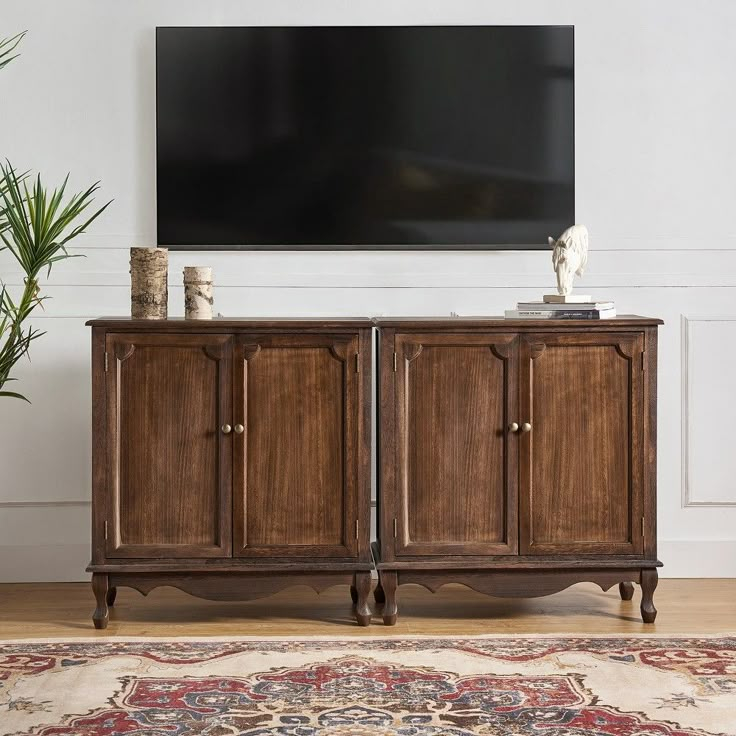
- Traditional & Classic: Walnut's inherent elegance shines here. Use it alongside richer fabrics, antique pieces, and more ornate details. A walnut writing desk or a display cabinet would be stunning.
Color Palettes and Material Pairings
The magic happens when you pair walnut with the right colors and materials. Walnut’s deep tones pair beautifully with a wide spectrum of colors.
- Neutrals: Cream, beige, grey, and white create a sophisticated and calming backdrop that allows the walnut to stand out.
- Blues and Greens: Deep navy, emerald green, or teal create a rich, jewel-toned palette that feels luxurious and inviting with walnut.
- Brass and Gold: These metallic accents enhance walnut’s warmth and add a touch of glamour.
- Leather: Especially in cognac or black, leather and walnut are a classic, timeless pairing that exudes comfort and style.
- Marble and Stone: The cool, smooth textures of marble or other natural stones offer a beautiful contrast to the warmth of walnut.
- Textiles: Think about textures like velvet for a luxurious feel, linen for a more relaxed vibe, or chunky knits for coziness.
Placement is Key: Where to Add Walnut Accents
Don't just plop a walnut piece anywhere. Think about its purpose and how it interacts with the rest of the room.
- Entryway: A walnut console table is a welcoming first impression. Add a mirror above it and a small tray for keys.
- Living Room: A coffee table or side tables are natural focal points. They can break up large upholstery pieces and add visual interest.
- Bedroom: A walnut nightstand or a decorative walnut tray on a dresser can add a touch of refinement.
- Home Office: A walnut desk or a set of walnut shelves can create a productive and stylish workspace.
- Dining Room: Beyond a dining table, consider walnut serving trays, placemats, or even decorative bowls on a sideboard.
Caring for Your Walnut Accents
Walnut is a durable wood, but like any beautiful material, it benefits from a little care.
- Dusting: Use a soft, dry cloth regularly to remove dust. Avoid abrasive cleaners.
- Spills: Wipe up spills immediately with a slightly damp cloth and then dry thoroughly.
- Sunlight: Try to avoid placing walnut pieces in direct, prolonged sunlight, as this can cause the color to fade or change unevenly over time.
- Polishing: Occasionally, you might want to use a wood polish specifically designed for hardwoods. Test it on an inconspicuous area first.
- Avoid Extreme Temperatures and Humidity: Just like with fine furniture, extreme fluctuations can cause wood to expand or contract. Keeping your home at a stable temperature and humidity level is beneficial.
Incorporating walnut accent pieces into your home is more than just a design choice; it's an investment in timeless style and enduring warmth. Whether you’re starting with a single tray or building a collection, the rich color and natural beauty of walnut have the power to elevate your space, making it feel more grounded, sophisticated, and inviting. It’s a material that tells a story, a story of quality and natural elegance that will continue to be cherished for years to come. So go ahead, experiment, and let the natural charm of walnut transform your living spaces into something truly special.