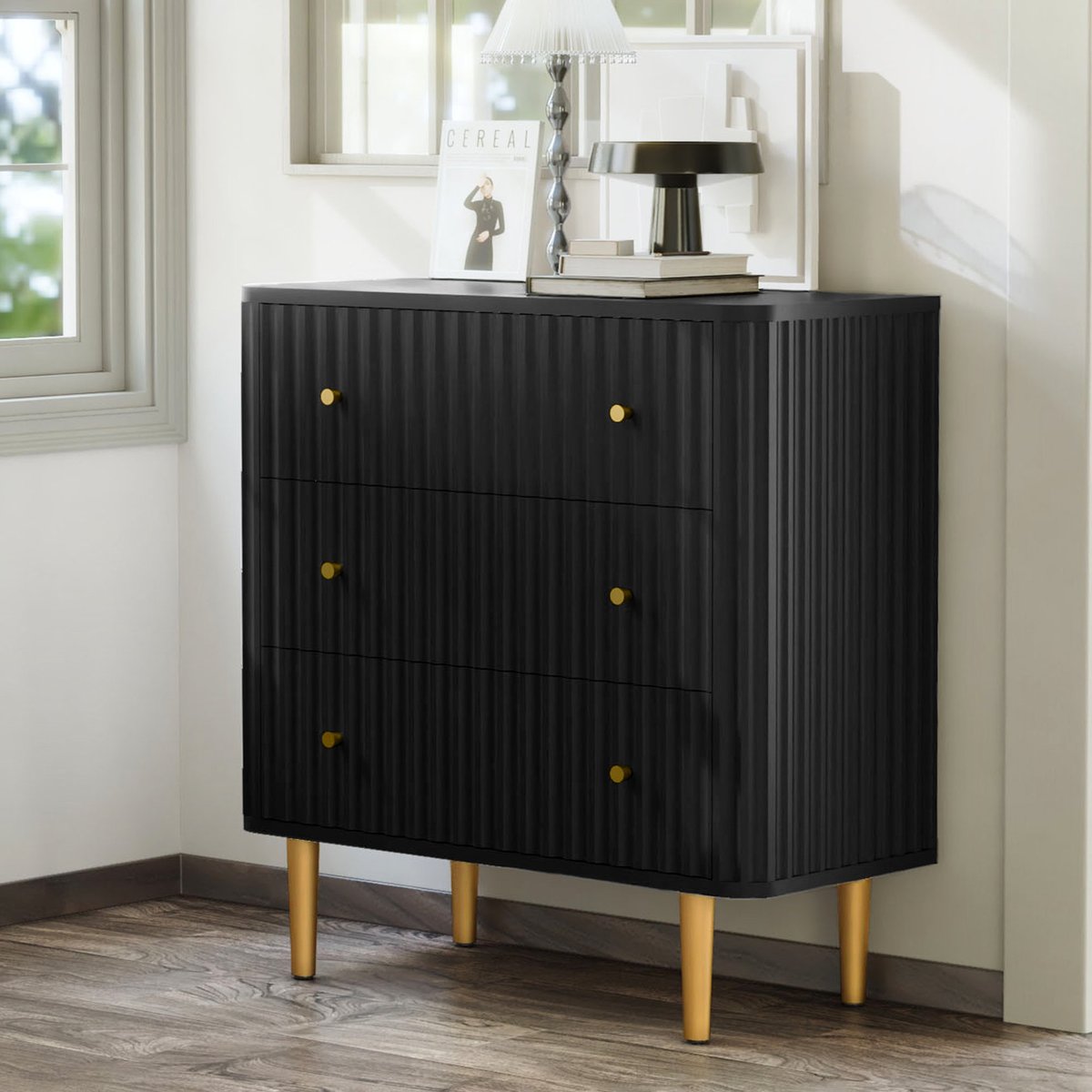
A solid wood dresser isn't just furniture; it's an investment in your home and your daily life. When you're looking for that perfect 3-drawer chest, especially one crafted from genuine wood, you want to be sure it's going to stand the test of time and suit your needs. Let's dive into what you really need to consider before you bring it home.
So, you've decided on a solid wood dresser with three drawers. Great choice. Solid wood has a certain charm and durability that you just don't get with other materials. It feels substantial, looks beautiful, and can last for generations if cared for properly. But, not all solid wood is created equal, and the construction and design of a dresser can make a huge difference in its longevity and functionality. Before you hand over your hard-earned cash, there are some crucial questions you should be asking yourself and, if possible, the seller or manufacturer. Think of this as your personal shopping companion, designed to help you navigate the world of wooden dressers and ensure you get a piece you'll adore for years to come.
What Kind of Solid Wood Are We Talking About?
This is probably the most important question. When a dresser is described as 'solid wood,' it means it's made from actual wood, not particleboard or MDF with a veneer. But, the type of wood matters a lot.
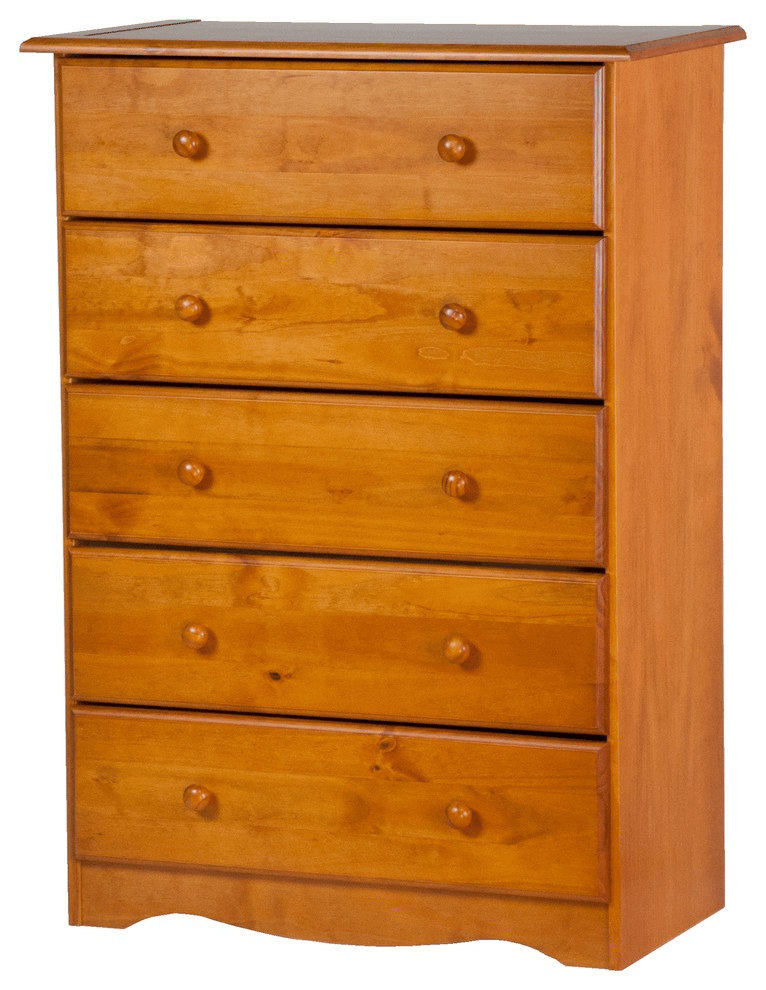
- Hardwoods vs. Softwoods: Hardwoods like oak, maple, cherry, and walnut are denser, more durable, and generally more expensive. They're excellent choices for furniture that will see a lot of use. Softwoods like pine and fir are lighter, often less expensive, and can be prone to dents and scratches more easily, though they can still make beautiful dressers.
- Wood Origin: Is the wood sustainably sourced? Look for certifications like FSC (Forest Stewardship Council) if environmental impact is a concern for you.
- Grain and Finish: Different woods have distinct grain patterns and take finishes differently. Consider what aesthetic you're going for. A rustic pine will look very different from a polished walnut.
How is the Dresser Constructed?
The way a dresser is put together is just as vital as the material it's made from. A beautiful piece of wood poorly constructed won't last.
- Joinery: How are the pieces of the dresser connected? Look for sturdy methods like dovetail joints (especially on drawer boxes), mortise and tenon, or dowels. Screws and glue alone, especially on critical stress points, might not be as robust.
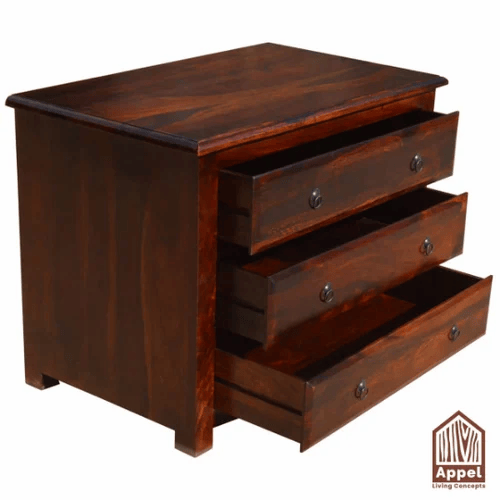
- Drawer Slides: Are the drawers on wooden runners, metal ball bearings, or simple grooves? Ball-bearing slides are usually the smoothest and most durable for frequent use. Wooden runners can work well too, but ensure they are well-fitted and waxed or have a smooth surface.
- Back Panel: Is the back panel solid wood, or is it thin plywood or even cardboard? A solid wood or good quality plywood back panel adds significant structural integrity and prevents warping.
What are the Dimensions and Will it Fit?
This might seem obvious, but it's easy to get excited about a dresser and forget to measure.
- Overall Size: Measure the space where you plan to put the dresser. Don't forget to account for any doors that need to open or space for walking around it.
- Drawer Depth: For a 3-drawer dresser, the depth of each drawer is critical. Will it hold your folded clothes? Are the drawers deep enough for sweaters or bedding? A common depth for a standard dresser drawer is around 4-6 inches, but this can vary.
- Accessibility: Can you get it into your room? Measure doorways, hallways, and stairwells. A large, heavy solid wood dresser can be very difficult to maneuver if not planned for.
What is the Finish and How Durable Is It?
The finish protects the wood and contributes to the overall look.
- Type of Finish: Is it a lacquer, varnish, oil, or wax? Each has different properties regarding durability, water resistance, and ease of repair. Lacquers and polyurethanes are generally quite tough.
- Scratch and Stain Resistance: Ask about how resistant the finish is to everyday wear and tear. Some finishes are more prone to water rings or scratches than others.
It's also worth asking how easy it is to touch up or repair the finish if it does get damaged. Some finishes are much simpler to fix than others.
What is the Drawer Capacity and Weight Limit?
This is about functionality. A dresser needs to hold your belongings comfortably and safely.
- Individual Drawer Weight: While manufacturers might not always provide this, consider the construction. A well-built drawer with good slides should handle a decent amount of weight without sagging or becoming difficult to open.
- Total Dresser Weight Limit: For larger items or if you tend to overstuff, it's good to have an idea of the dresser's overall structural capacity. Solid wood dressers are inherently heavy, but poor construction can still lead to issues.
What is the Price Point and Warranty?
When you're investing in solid wood, expect a higher price than for composite materials.
- Value for Money: Does the price reflect the quality of the wood, the construction, and the design? Compare prices from different reputable retailers.
- Warranty Information: What kind of warranty, if any, comes with the dresser? A good warranty can offer peace of mind and protect you against manufacturing defects. Understand what it covers and for how long.
Buying a solid wood 3-drawer dresser is a significant decision, but by asking these questions, you're equipping yourself with the knowledge to make an informed and confident choice. It's about more than just looks; it's about understanding the materials, the craftsmanship, and how the piece will function in your everyday life. Take your time, do your research, and you'll end up with a beautiful and functional dresser that you'll treasure for years, maybe even decades. Happy shopping.
Related Posts
 Accent Chests & Cabinets
 The Evolution of Sabanti Anywhere Cabinet in Modern Workspaces
 Accent Chests & Cabinets
 The Art of Functional Design in French Industrial Style Furniture
 Accent Chests & Cabinets
 The Artisan Craftsmanship Behind Hawthorne Collections White/Walnut Chests
 Accent Chests & Cabinets
 Curved Design Elements in Contemporary Furniture Trends
 Accent Chests & Cabinets
 Choosing the Right 1 Drawer 2 Door Cabinet for Your Specific Needs
 Accent Chests & Cabinets