
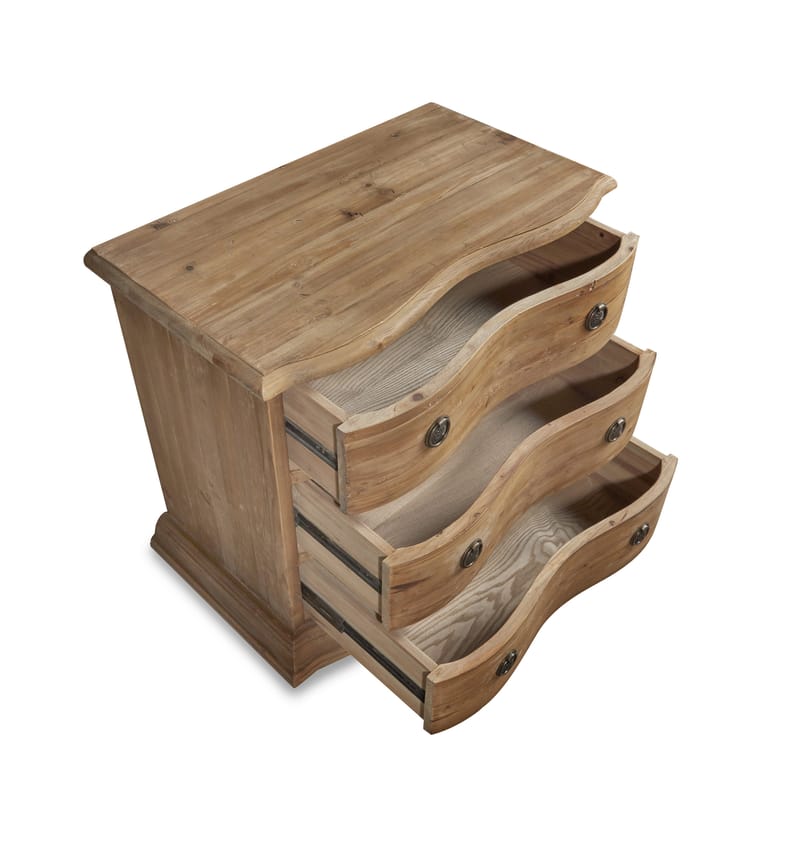
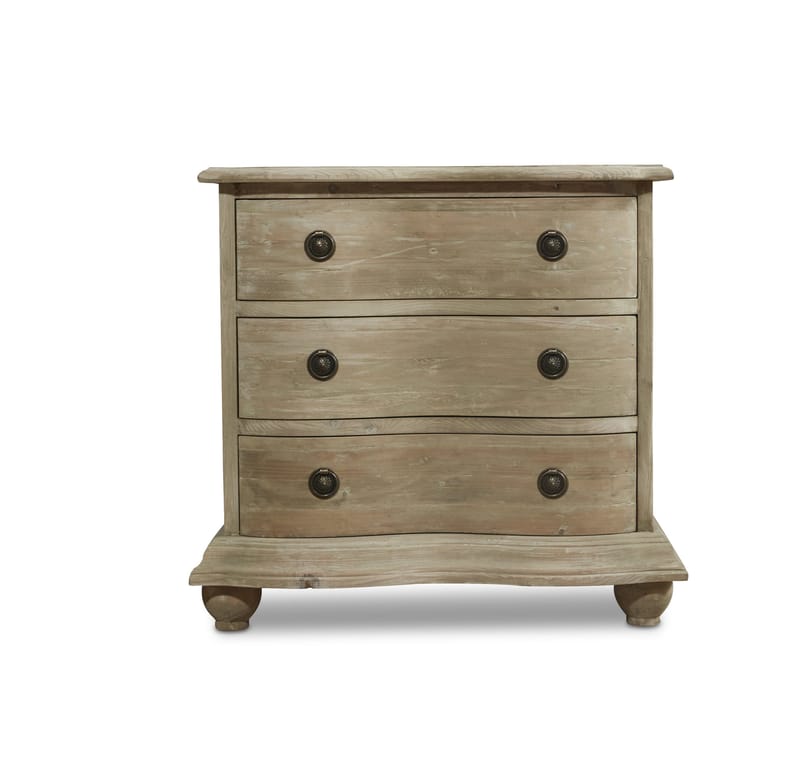
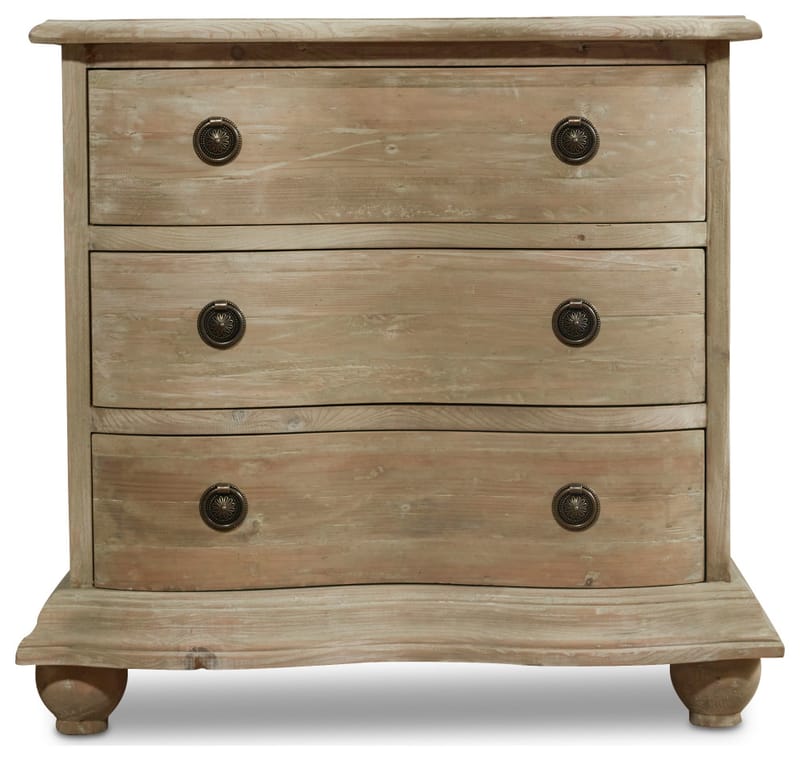
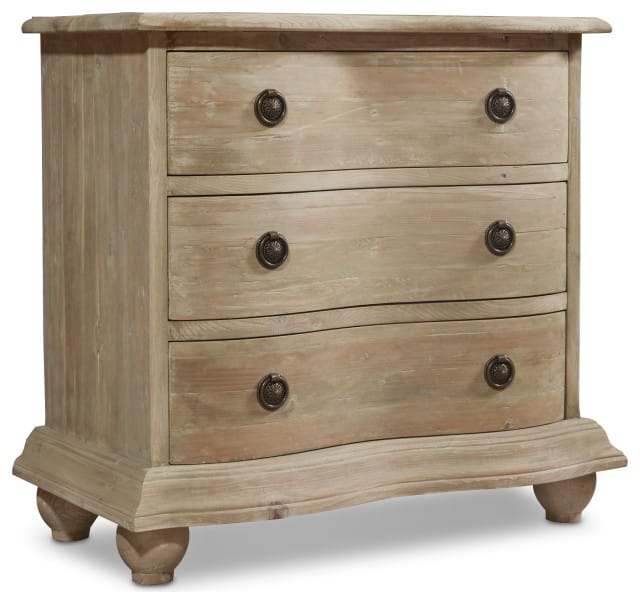
That 30-inch wide natural reclaimed pine chest of drawers you've brought into your home is more than just furniture; it's a piece of history. Reclaimed pine carries with it the stories of its past life, offering a unique character and warmth that new wood just can't replicate. Its knots, grain patterns, and slight imperfections are part of its charm. But with such a special item, you'll want to know how to keep it looking its best, right? Let's dive into how to nurture this beautiful piece.
You've chosen a 30-inch reclaimed pine chest of drawers, and that's fantastic. There's something incredibly appealing about the rustic, natural look of reclaimed wood. It brings a sense of history and authenticity to any room. However, because it's reclaimed, it might have different needs than a brand-new piece. It's not about being overly fussy, but rather understanding its nature and giving it the right kind of attention. This guide will walk you through everything you need to know to keep your chest of drawers looking gorgeous and functioning perfectly, ensuring its story continues for generations.
Understanding Your Reclaimed Pine
Before we get into the nitty-gritty of care, let's talk about what makes reclaimed pine special. This isn't just any wood. It's likely been salvaged from old buildings, barns, or factories, meaning it's seasoned and has a unique patina. This can also mean it might be more susceptible to certain things, like moisture or extreme temperature changes, than wood that's been kiln-dried. Understanding this is the first step to proper upkeep. Think of it like caring for an antique; it requires a bit of thoughtful consideration, not a lot of harsh treatment.
Gentle Cleaning for Lasting Beauty
When it comes to cleaning your reclaimed pine chest, 'gentle' is the operative word. You want to preserve that lovely, aged finish, not strip it away. For everyday dusting, a soft, dry microfiber cloth is your best friend. It'll pick up dust without scratching the surface. If you encounter a spill or a sticky spot, resist the urge to use harsh chemicals or abrasive cleaners. Instead, opt for a slightly damp cloth. For tougher grime, a tiny amount of mild soap, like a pH-neutral dish soap, diluted in water should do the trick. Always wring out the cloth so it's barely damp – you don't want to saturate the wood. After cleaning, dry the area immediately with a clean, dry cloth. It's also a good idea to test any cleaning solution on an inconspicuous spot first, like the back or underside of the chest, just to be safe. Remember, regular, light cleaning is far better than occasional, aggressive scrubbing.
Protecting Against Everyday Wear and Tear
Your chest of drawers is there to be used, but a little protection goes a long way. Avoid placing hot items directly on the surface. Use coasters for drinks and trivets for hot dishes. Sunlight can also be a foe to wood, causing it to fade or discolor over time. Try to position your chest away from direct, prolonged sunlight. If that's not possible, consider using curtains or blinds to shield it. Also, be mindful of humidity levels. Extreme fluctuations can cause wood to expand and contract, potentially leading to cracks or warping. A humidifier or dehumidifier in the room can help maintain a stable environment, especially during harsh weather. And for those times when you need to move the chest, always lift it, don't drag it. Dragging can stress the joints and damage the base.
Finishing Touches: Waxing and Polishing
Over time, you might notice your reclaimed pine losing a bit of its luster. This is where a good quality furniture wax can work wonders. Look for a natural beeswax or a furniture polish specifically designed for wood. Apply the wax sparingly with a soft cloth, working it into the wood in the direction of the grain. Let it sit for a few minutes, then buff it off with a clean, dry cloth until you achieve a soft sheen. Waxing not only revives the appearance but also provides an extra layer of protection against moisture and minor scratches. How often you wax depends on the environment and how much use the chest gets, but generally, once or twice a year is sufficient. You're not trying to create a high-gloss finish, but rather enhance that beautiful, natural matte look of the reclaimed pine.
Dealing with Scratches and Minor Imperfections
Reclaimed pine, by its very nature, might already have a few nicks and dings – that's part of its story. But if you happen to add a new scratch, don't panic. For very minor surface scratches, sometimes just rubbing the area gently with your finger can help blend it in. You can also try using a furniture repair crayon or a wax stick that matches the color of your pine. Gently rub the crayon or wax into the scratch and then buff away any excess. For deeper scratches, you might consider a touch-up stain or even a small amount of wood putty, but this is often best left to the professionals or if you're comfortable with DIY repairs. Always remember that the goal is to blend, not to make the repair invisible, preserving the character of the wood.
Drawer and Hardware Care
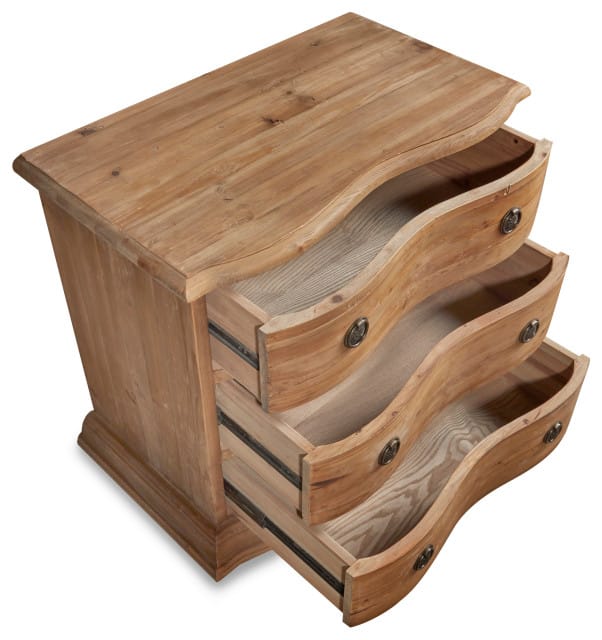
Don't forget the moving parts. The drawers in your chest of drawers need a little love too. If they start to stick or become difficult to open, check the runners. Sometimes, a bit of wax or a silicone-based lubricant applied to the drawer slides can make a world of difference. Ensure the runners are clean and free from debris. For the hardware – the handles or knobs – a soft, dry cloth is usually all that's needed. If they've become dull or tarnished, a specialized metal cleaner might be necessary, but be very careful not to get any of the cleaner on the wood itself. For brass or antique-style hardware, a gentle polish can restore their gleam without damaging the surrounding wood. Regular checks of the hardware to ensure screws are tight will also prevent them from becoming loose and falling off.
Caring for your 30-inch wide natural reclaimed pine chest of drawers is a labor of love, but it's incredibly rewarding. By using gentle cleaning methods, protecting it from environmental extremes, and giving it a little occasional waxing, you're not just maintaining a piece of furniture; you're preserving a piece of history. Its unique character will continue to shine through, and it will remain a cherished item in your home for many years to come. Enjoy the warmth and story it brings to your space, knowing you're doing your part to keep its legacy alive.
Related Posts
 Accent Chests & Cabinets
 The Evolution of Sabanti Anywhere Cabinet in Modern Workspaces
 Accent Chests & Cabinets
 The Art of Functional Design in French Industrial Style Furniture
 Accent Chests & Cabinets
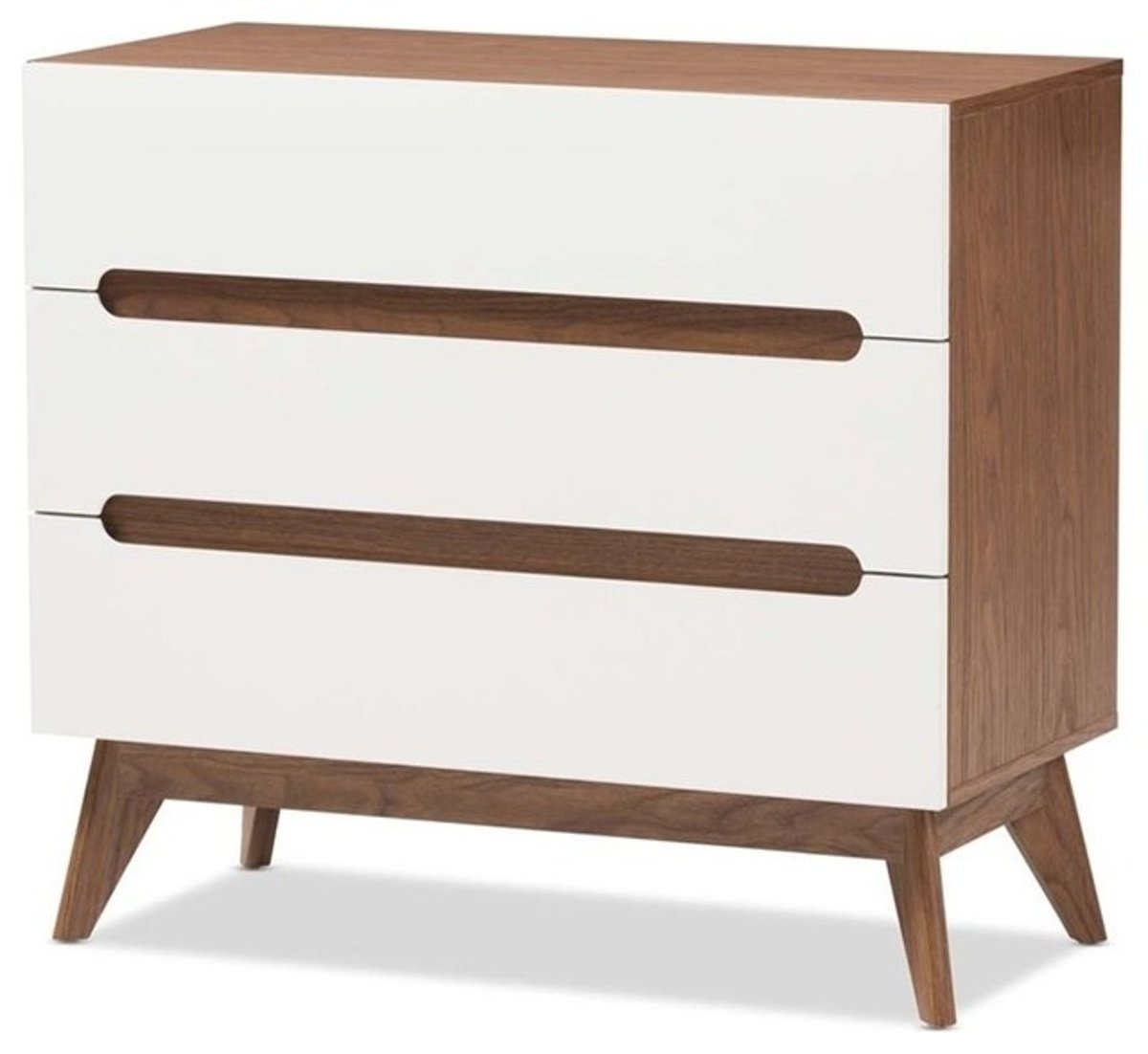
 The Artisan Craftsmanship Behind Hawthorne Collections White/Walnut Chests
 Accent Chests & Cabinets
 Curved Design Elements in Contemporary Furniture Trends
 Accent Chests & Cabinets
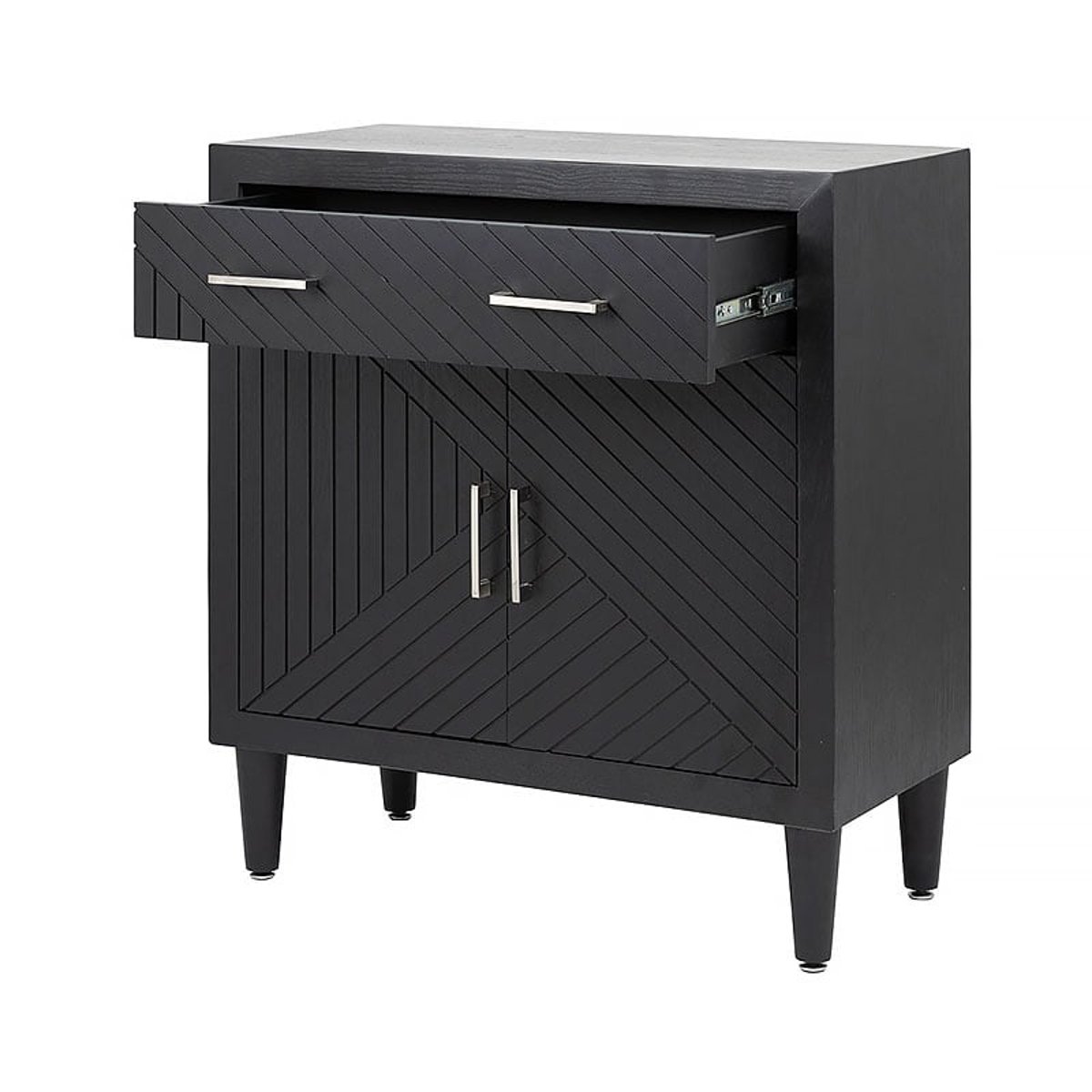
 Choosing the Right 1 Drawer 2 Door Cabinet for Your Specific Needs
 Accent Chests & Cabinets