
Ever walked into a room and felt an immediate sense of opulence, a subtle shimmer that whispers of luxury without shouting? Often, that captivating glow comes from something as delicate yet impactful as gold leaf. It’s a material that has graced palaces and sacred spaces for centuries, and its ability to transform the ordinary into the extraordinary is just as potent today in our own homes.
Gold leaf. The very phrase conjures images of ancient treasures and royal adornments. But its appeal isn't confined to museums or historical dramas. In the realm of home decor, gold leaf offers a unique blend of warmth, radiance, and sophistication that few other materials can match. It’s this enduring quality, this ability to impart a sense of history and elegance, that makes it a perrenial favorite for those looking to elevate their living spaces. Think beyond gaudy displays; think refined accents that catch the light and add a layer of depth to your surroundings.
What Exactly is Gold Leaf?
So, what are we talking about when we say 'gold leaf'? It’s essentially pure gold, hammered and beaten into incredibly thin sheets. We’re talking about thicknesses as little as 0.1 to 0.2 microns – that’s thinner than a human hair, and then some. This process, called gilding, has been around for millennia. The gold is so thin that light passes through it, giving it that characteristic luminous shimmer. It’s not just about the color gold; it’s about the way it interacts with light, creating a soft, warm glow that’s truly captivating.
The Versatility of Gilding
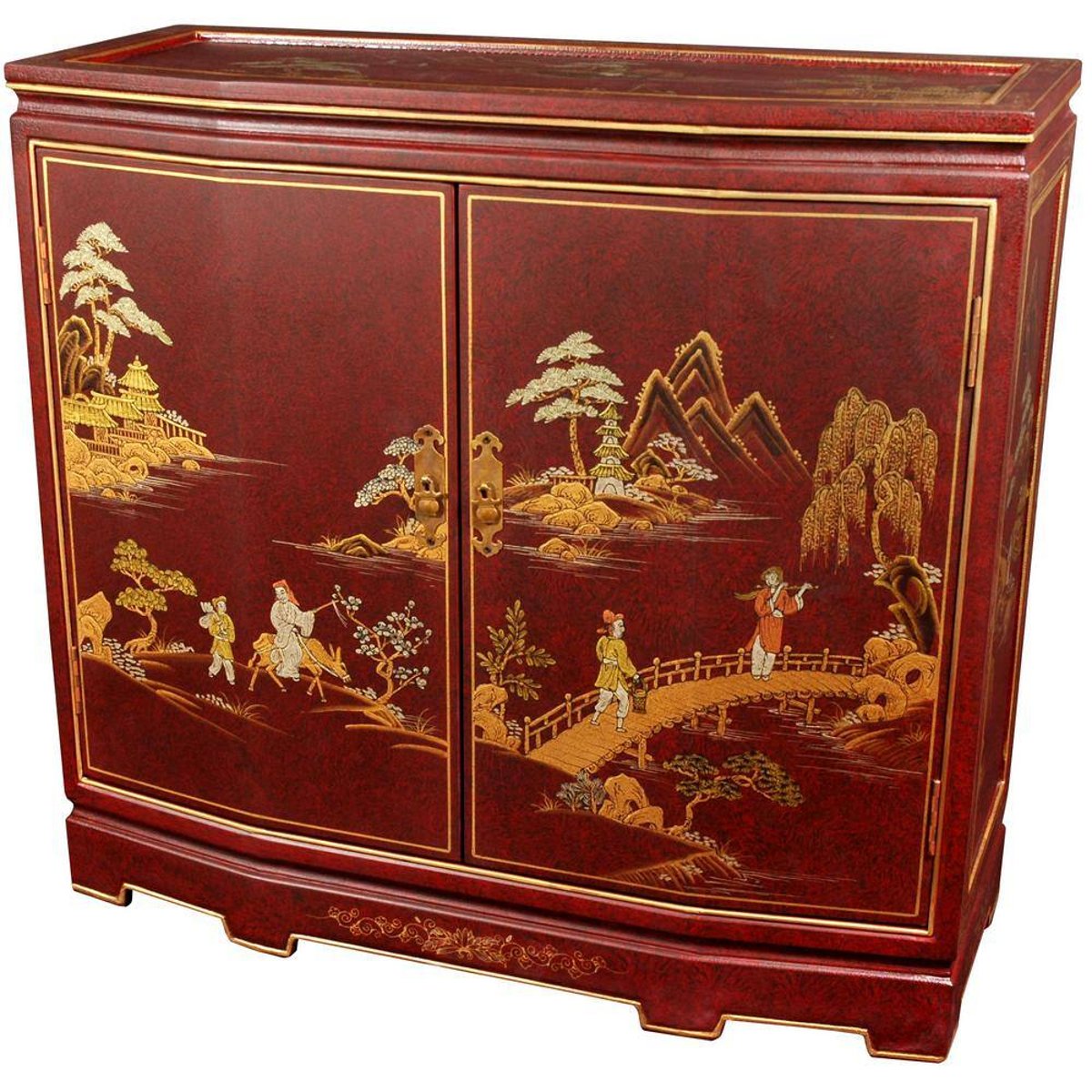
One of the most remarkable things about gold leaf is its sheer versatility. It’s not just for picture frames or ornate mirrors anymore, though it certainly excels at those. Imagine a subtle gold leaf detail on a piece of furniture – perhaps the edge of a drawer or a decorative inlay. Or consider a statement lighting fixture with delicate gold leaf accents that scatter light beautifully. Even smaller touches, like gilded decorative bowls, candle holders, or even a single accent wall with a pattern applied in gold leaf, can make a significant difference. It can be applied to wood, plaster, metal, glass, and even fabric, opening up a world of possibilities for designers and homeowners alike. It’s about finding the right balance, the perfect touch that enhances, rather than overwhelms.
Achieving the Right Look: From Subtle to Statement
The beauty of gold leaf lies in its scalability. You can go for a full, immersive experience, like a gilded ceiling or a prominent architectural feature, which will undoubtedly create a dramatic focal point. Or, you can opt for more understated applications. A touch of gold leaf on the rim of a vase, a delicate pattern on a lampshade, or even a gilded doorknob can introduce a sophisticated sparkle without being too overt. The key is to consider the existing aesthetic of your room. Is it modern and minimalist? A few well-placed, small gold accents might be perfect. Is it more traditional or maximalist? You might feel more comfortable with larger gilded elements. It’s all about creating harmony and a sense of intentional design.
Application: Professional vs. DIY
Applying gold leaf, especially for larger or more intricate projects, is often best left to the professionals. The sheets are incredibly delicate and can easily tear or crumble if not handled with care. Gilders use special brushes and adhesives (like Mastic or size) to transfer the leaf smoothly onto the surface. However, for smaller, simpler projects, like updating a frame or a small decorative item, a DIY approach can be rewarding. You can purchase gold leaf sheets and adhesive specifically for craft use. It’s a good way to get a feel for the material and experiment with its application. Just remember to work in a calm, dust-free environment and be patient. It’s a craft that requires a steady hand and a bit of practice.
Maintaining the Sheen
One of the advantages of using real gold leaf is its inherent resistance to tarnishing. Unlike brass or other gold-toned metals, pure gold doesn’t corrode or lose its luster. This means that once applied, your gilded elements should retain their beautiful shine for years to come, with minimal upkeep. A gentle dusting with a soft cloth is usually all that’s needed. For areas that might gather more dust or grime, a slightly damp cloth can be used, but it's important to dry the area immediately to prevent any potential water damage to the adhesive or the leaf itself. It’s a low-maintenance way to bring lasting radiance into your home.
Gold Leaf in Different Design Styles
It might surprise you how well gold leaf integrates with various design styles. In a traditional or classic setting, it’s a natural fit, enhancing ornate furniture, mirrors, and architectural moldings. For modern and contemporary spaces, think minimalist applications: a single gilded line on a console table, a subtle shimmer on a geometric accent piece, or even a touch of gold in a piece of abstract art. In bohemian or eclectic interiors, gold leaf can add a touch of vintage glamour, perhaps on a repurposed trunk or a collection of decorative trays. It’s all about how you use it. The key is to ensure it complements the overall mood and aesthetic you’re aiming for, rather than feeling out of place.
Gold leaf is more than just a decorative element; it’s a statement of enduring style and a nod to centuries of craftsmanship. Its ability to capture and reflect light, combined with its inherent preciousness, lends an unparalleled sense of warmth and luxury to any interior. Whether you’re drawn to grand gestures or subtle whispers of shimmer, incorporating gold leaf into your home decor is a way to infuse your space with timeless elegance and a unique, radiant charm that truly stands the test of time. So, why not let a little bit of that Midas touch brighten your world?




Related Posts
 Accent Chests & Cabinets
 The Evolution of Sabanti Anywhere Cabinet in Modern Workspaces
 Accent Chests & Cabinets
 The Art of Functional Design in French Industrial Style Furniture
 Accent Chests & Cabinets
 The Artisan Craftsmanship Behind Hawthorne Collections White/Walnut Chests
 Accent Chests & Cabinets
 Curved Design Elements in Contemporary Furniture Trends
 Accent Chests & Cabinets
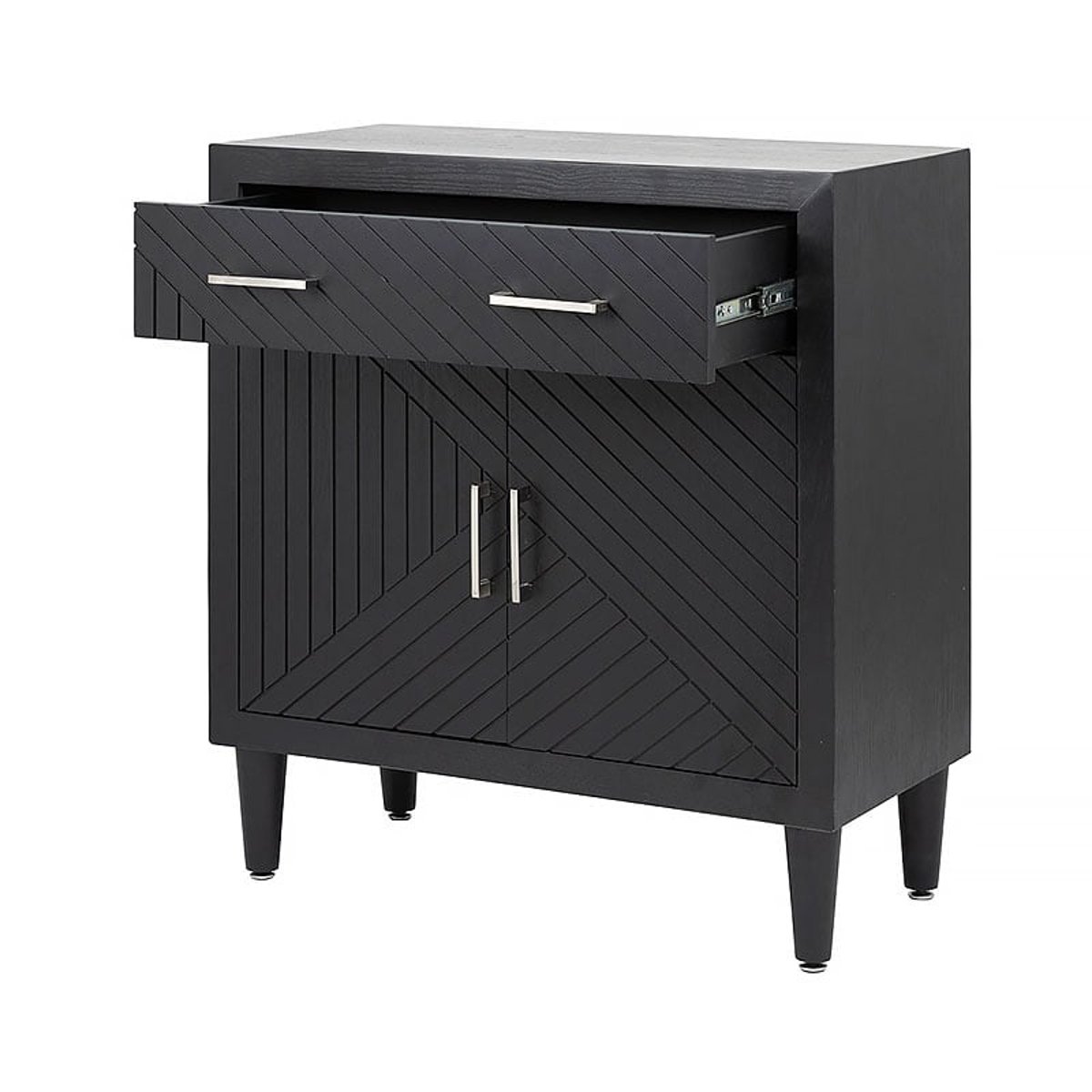
 Choosing the Right 1 Drawer 2 Door Cabinet for Your Specific Needs
 Accent Chests & Cabinets