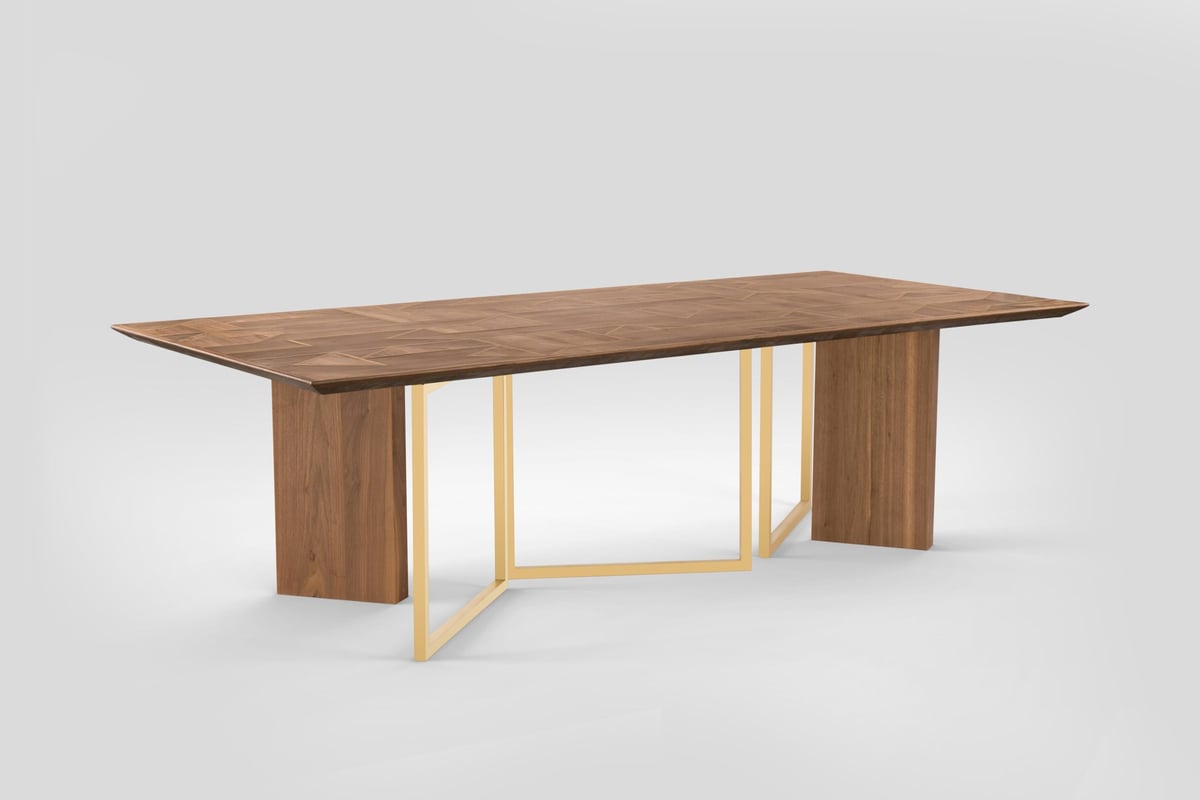
Have you ever admired a piece of furniture with intricate patterns cut into the wood, sparkling with metallic accents? That's the allure of inlay work, a venerable art form that marries the warmth of wood with the gleam of metal, most often brass. It’s more than just decoration; it’s a testament to patience, precision, and an eye for beauty that has captivated people for centuries. From ancient tombs to contemporary design, this craft continues to enchant us.
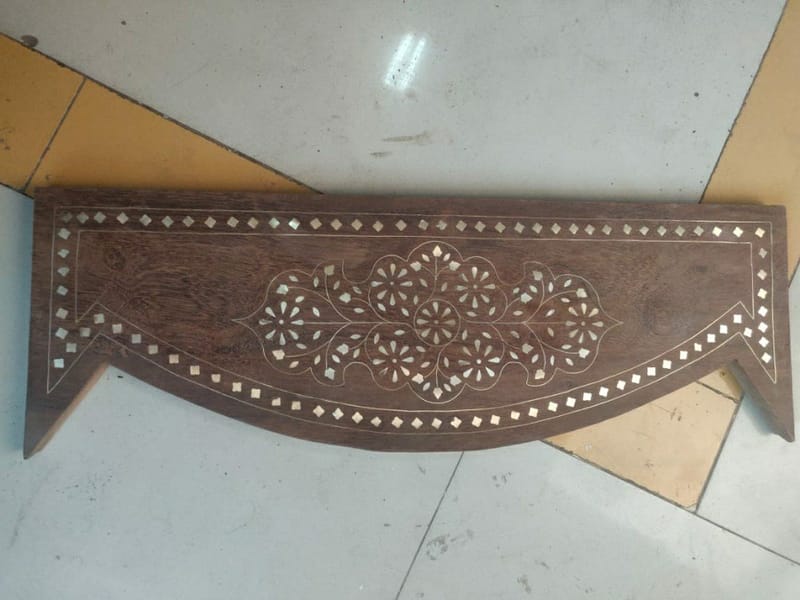
The world of decorative arts is vast and varied, but few techniques possess the enduring charm and sophisticated appeal of wood and brass inlay. Imagine a smooth wooden surface, perhaps a tabletop or a jewelry box, suddenly brought to life with a delicate vine of polished brass, or geometric patterns that seem to shimmer with an inner light. This isn't magic; it's the result of meticulous craftsmanship. This practice involves carefully cutting precise shapes into one material and then fitting another material into those voids, creating a seamless, blended design. It's a dance between two distinct elements, a harmonious marriage that elevates the ordinary to the extraordinary. Let's delve into what makes this art so special and how it's brought to life.
A Glimpse into History: Roots of the Craft
The practice of inlay isn't new; its origins stretch back thousands of years. Ancient Egyptians were masters of inlay, using vibrant stones, ivory, and ebony to adorn sarcophagi and furniture. The Romans and Greeks also embraced this art, often using contrasting woods and ivory. However, the use of brass, specifically for decorative purposes in conjunction with wood, really began to flourish during the Renaissance. Artisans sought ways to add more visual interest and luxury to their creations, and the combination of rich wood tones and the bright, enduring luster of brass proved irresistible. Think of the exquisite marquetry and parquetry found in antique furniture – much of that relied on similar principles, even if the specific materials or techniques differed slightly. It's a lineage of skill passed down through generations.
The Essential Materials: Wood and Brass
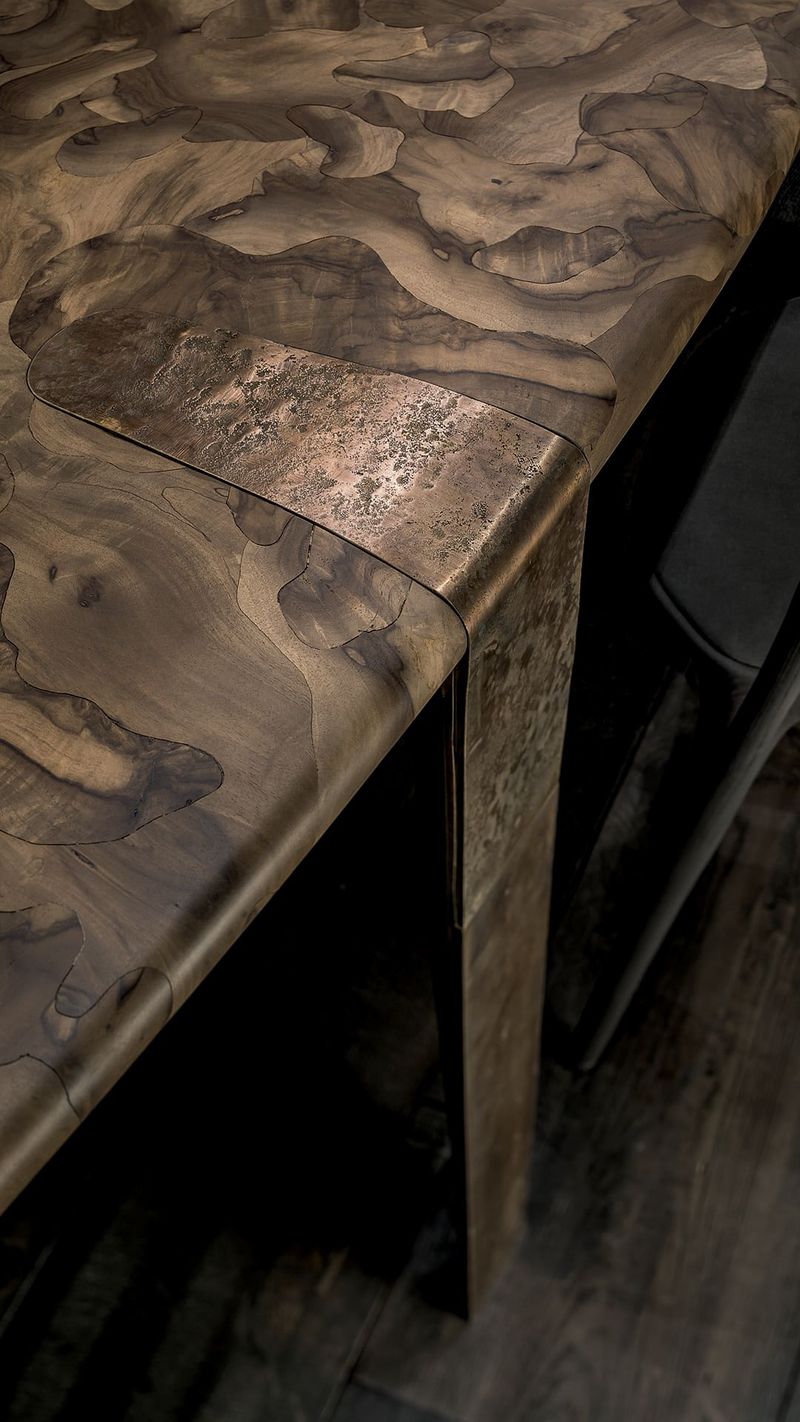
At its core, this craft is about two primary players: wood and brass. The choice of wood is crucial. Hardwoods like walnut, mahogany, maple, and oak are often favored for their durability and the beautiful contrast they offer with brass. The grain, color, and texture of the wood all contribute to the final aesthetic. Brass, an alloy of copper and zinc, is chosen for its warm, golden hue, its malleability, and its resistance to corrosion. It can be polished to a high sheen or left with a softer patina. Sometimes, other metals like silver or pewter might be incorporated, but brass remains the classic partner for wood in this decorative art. The interplay between the natural, organic feel of wood and the metallic, structured presence of brass is what gives inlay its unique character.
The Process Unveiled: Precision and Patience
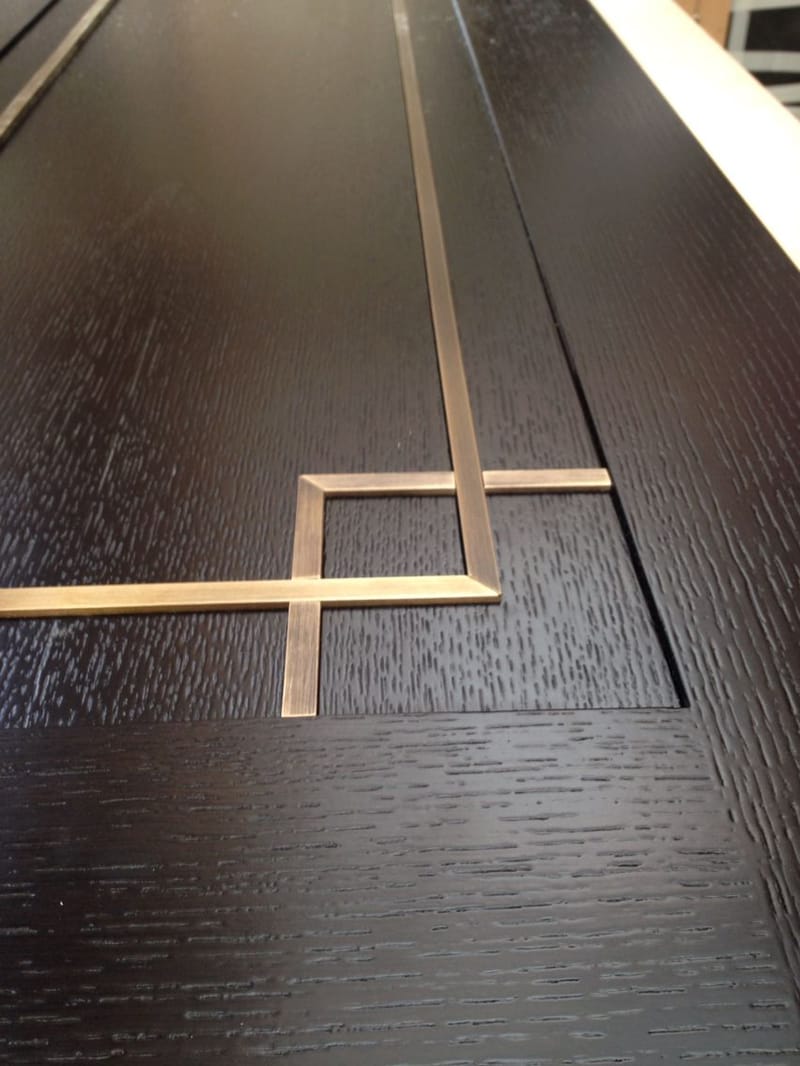
Creating a beautiful inlay is a labor of love, requiring immense skill and steady hands. The process generally begins with designing the pattern. This can range from simple geometric shapes to incredibly complex pictorial scenes. Once the design is finalized, it's transferred to the wooden substrate. Then comes the meticulous work of cutting. For the wood, a router or specialized carving tools are used to remove material, creating a recess that perfectly matches the shape of the brass. For the brass, a jeweler's saw or a laser cutter might be employed to cut out the corresponding brass pieces. The key here is absolute precision; the fit needs to be almost impossibly tight. Once the brass pieces are cut, they are carefully fitted into the recesses in the wood. If the fit isn't perfect, tiny adjustments are made. Finally, adhesives are used to secure the inlay, and the entire piece is sanded and finished. Sometimes, a clear lacquer or oil finish is applied to protect both the wood and the brass, ensuring the inlay remains a brilliant feature for years to come.
Tools of the Trade: Instruments of Artistry
The artisan's toolkit for inlay work is as specialized as the craft itself. Essential tools include a variety of saws – from fine-toothed jeweler's saws for intricate brass cuts to coping saws for larger wood removals. Chisels and gouges of various sizes are indispensable for shaping and cleaning recesses in the wood. A sharp knife or a specialized inlay knife is often used for scoring lines and making fine adjustments. For creating the recesses in the wood, a router, often with a small bit, is a common tool, allowing for clean and consistent depth. Files and sandpaper in various grits are crucial for refining the fit of both the wood and brass components and for the final smoothing of the surface. More modern workshops might also utilize laser cutters for unparalleled precision, especially for very complex or repetitive patterns. Each tool plays a vital role in transforming raw materials into a finished piece of art.
Applications and Aesthetics: Where Inlay Shines
The beauty of wood and brass inlay lends itself to a wide array of applications. It’s most famously seen in fine furniture, where it can adorn tabletops, cabinet doors, chair backs, and decorative boxes, adding a layer of opulence and character. But its use extends far beyond that. You'll find it in musical instruments, like the fretboards of guitars or the bodies of violins, where it enhances both appearance and acoustics. It’s used in decorative architectural elements, such as paneling, doors, and even custom flooring. In the realm of personal adornment, it appears in jewelry, watch faces, and custom pens. The aesthetic possibilities are virtually limitless. Whether it's a subtle, understated accent or a bold, eye-catching centerpiece, inlay work has the power to transform any object into a unique and treasured possession. The contrast between the materials and the precision of the design are what truly capture the eye.
Preserving the Legacy: Modern Innovations and Enduring Appeal
While the fundamental principles of inlay have remained consistent, modern technology has introduced new possibilities. Laser cutting, for example, allows for incredibly intricate and precise designs that might have been impossible to achieve with traditional hand tools alone. CNC (Computer Numerical Control) machines can also be programmed to create perfect recesses and cutouts. Despite these advancements, the appreciation for hand-cut and hand-fitted inlays endures. There's a certain warmth and character that comes from the human touch, a subtle imperfection that speaks to the skill and dedication of the artisan. The enduring appeal of wood and brass inlay lies in its timeless elegance and the inherent beauty that arises from the thoughtful combination of natural and man-made materials. It's a craft that continues to evolve, yet its core essence – the creation of beauty through meticulous detail – remains as strong as ever.
The next time you encounter a piece featuring wood and brass inlay, take a moment to truly appreciate the artistry involved. It’s a craft that demands not just technical skill but also a deep understanding of materials and a passion for beauty. From the careful selection of wood to the precise cutting and fitting of brass, every step is a testament to the dedication of the craftsperson. This ancient art form continues to enrich our lives, adding elegance and a unique touch to everything from heirloom furniture to contemporary designs. It’s a beautiful reminder that even in our fast-paced world, there’s immense value in slow, deliberate creation and the enduring allure of handcrafted quality.
Related Posts
 Accent Chests & Cabinets
 The Evolution of Sabanti Anywhere Cabinet in Modern Workspaces
 Accent Chests & Cabinets
 The Art of Functional Design in French Industrial Style Furniture
 Accent Chests & Cabinets
 The Artisan Craftsmanship Behind Hawthorne Collections White/Walnut Chests
 Accent Chests & Cabinets
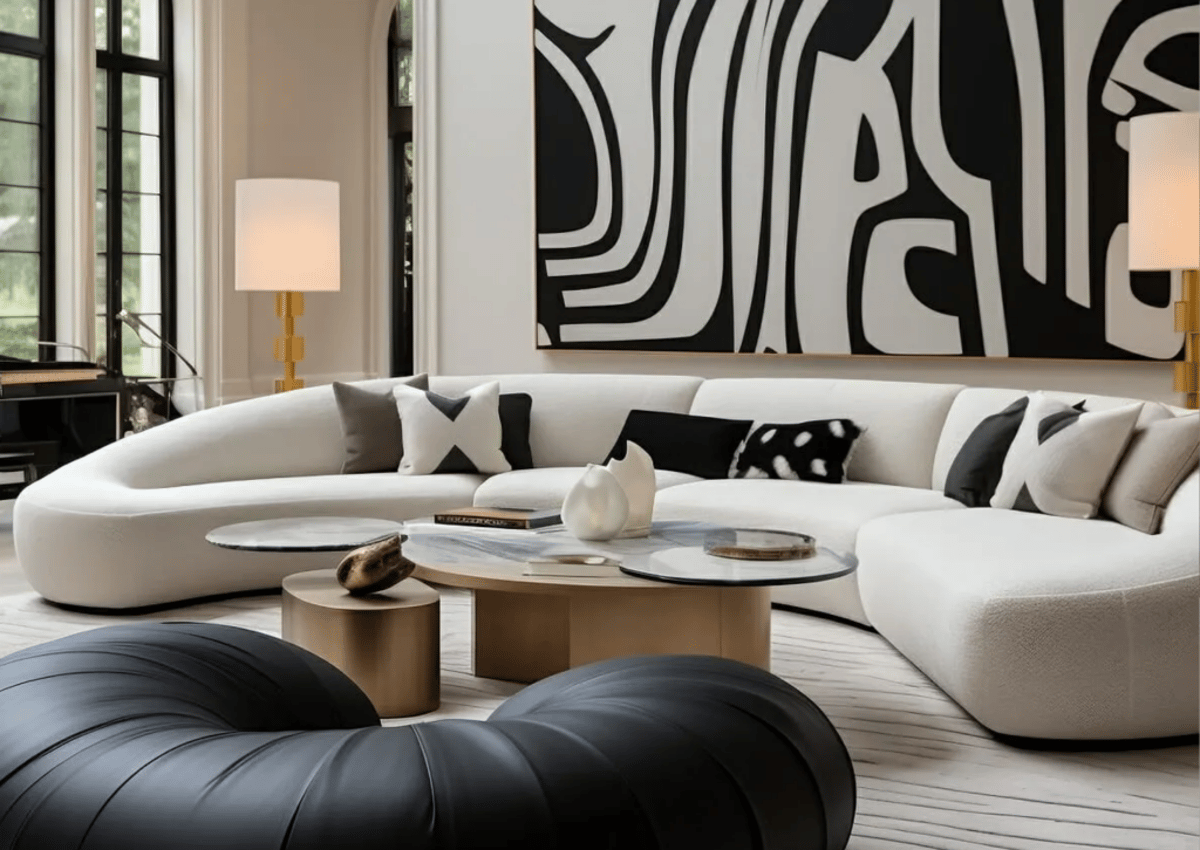
 Curved Design Elements in Contemporary Furniture Trends
 Accent Chests & Cabinets
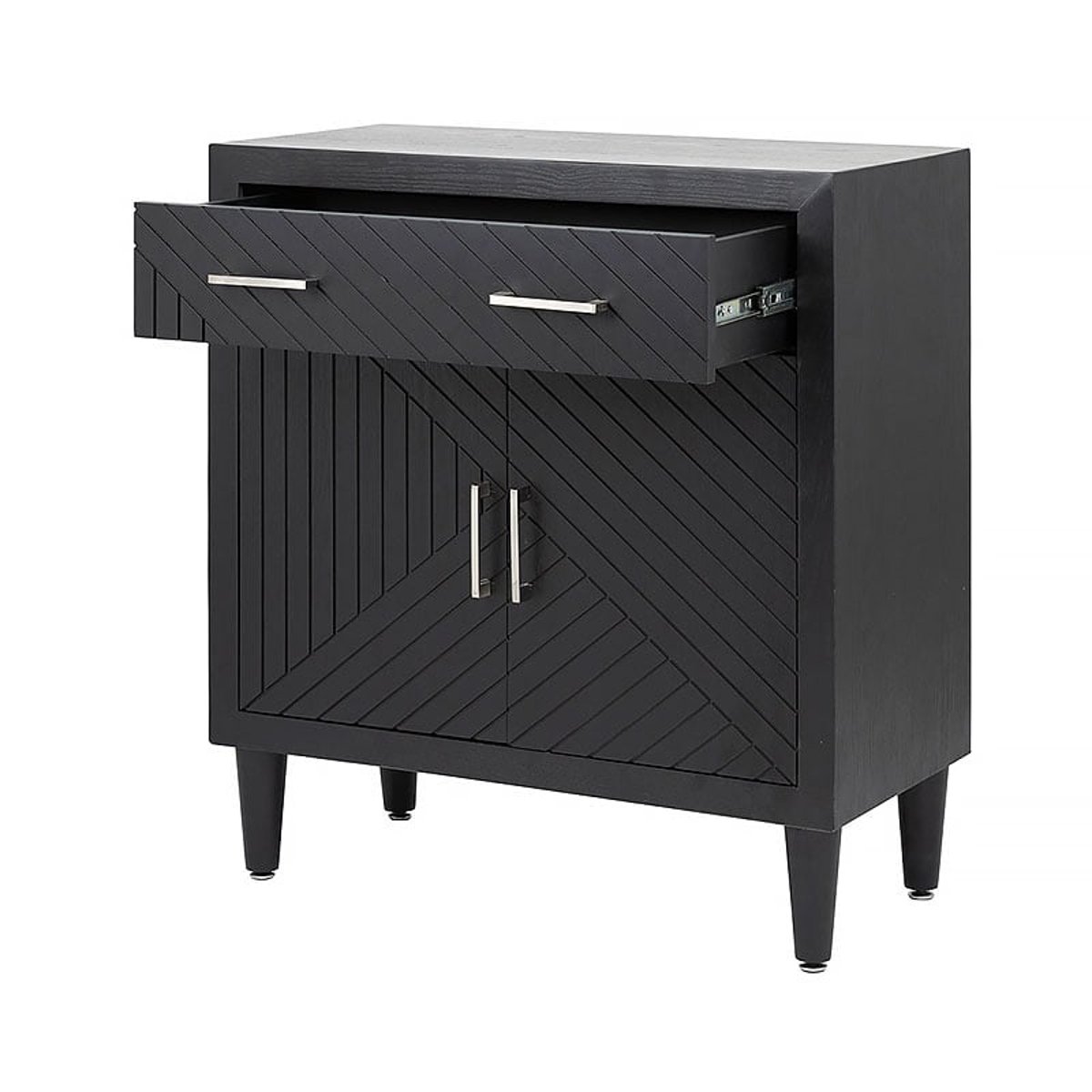
 Choosing the Right 1 Drawer 2 Door Cabinet for Your Specific Needs
 Accent Chests & Cabinets