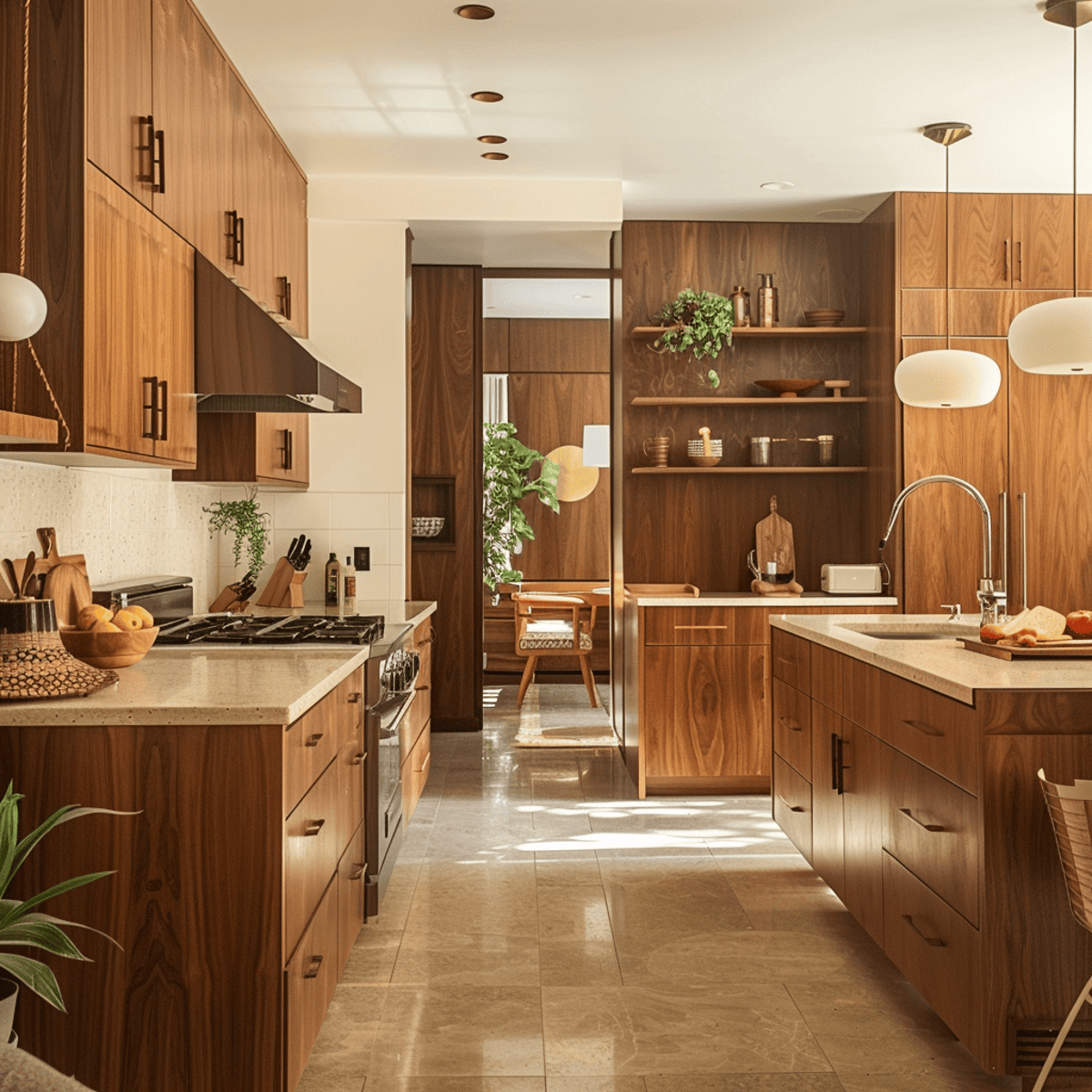
When you think of a chest, what comes to mind? Likely, it's a place to keep things, right? A sturdy container for blankets, heirlooms, or maybe even pirate treasure. But a teak chest? That's a whole different story. It’s a piece that whispers tales of skilled hands, timeless design, and materials that have stood the test of centuries. Let’s go beyond the practical and dive into the artistry that makes these wooden wonders so special.
Teak wood. Just the name conjures images of luxury, durability, and a rich, golden hue. It’s a timber celebrated for its natural oils, which make it incredibly resistant to water, rot, and insects. This isn't just any wood; it's wood with a pedigree. And when this remarkable material is shaped into a chest, something truly magical happens. It transforms from a mere object into a piece of functional art, a testament to human ingenuity and the beauty of nature.
The Selection: Where It All Begins
The journey of a teak chest starts long before the first cut is made. It begins with the careful selection of the wood itself. Not all teak is created equal, you see. True craftsmanship demands using mature teak, typically from trees that are at least 50 years old. This ensures the wood has developed its dense grain and rich natural oils. Artisans will meticulously inspect each plank, looking for consistent color, a tight grain pattern, and freedom from defects. This initial step is crucial; it lays the foundation for the entire piece. Think of it like a chef choosing the finest ingredients – the quality of the start dictates the quality of the finish.
Joinery: The Bones of the Chest
This is where the real magic, and the true skill, of woodworking shines. Forget nails and glue as the primary support. Traditional teak chests often feature intricate joinery techniques that have been perfected over generations. Dovetail joints, for instance, are a hallmark of quality. These interlocking, fan-shaped cuts create incredibly strong and beautiful connections that can withstand immense stress and the test of time. Mortise and tenon joints are another common sight, providing robust structural integrity. These methods not only bind the wood but also become decorative elements in themselves, showcasing the maker's precision and dedication. It’s a silent, elegant language spoken through wood.
The Finish: Protecting and Enhancing
Once the chest is assembled, the finishing process begins. For teak, the goal is usually to enhance its natural beauty rather than mask it. This often involves a meticulous sanding process, moving from coarser grits to incredibly fine ones, to achieve a silken-smooth surface. Then comes the application of finishes. Sometimes, this is as simple as a fine oil or wax that penetrates the wood, deepening its color and providing an extra layer of protection without creating a thick film. Other times, a clear lacquer might be used, but always with the intention of letting the teak’s natural character gleam through. It’s a delicate dance between protection and presentation.
Hardware and Embellishments: The Final Flourish
No teak chest is truly complete without its hardware. Hinges, locks, and handles are not just functional; they are integral parts of the design. These are often crafted from brass or other corrosion-resistant metals that complement the warm tones of teak beautifully. The craftsmanship extends to these elements too. Hand-forged hinges with intricate scrollwork or polished brass latches speak volumes about the attention to detail. Some chests might also feature decorative carvings or inlay work, further elevating them from simple storage to heirloom-quality pieces. These touches are the signature of the artisan, adding a personal and artistic flair.
Durability Meets Design: A Timeless Combination
What makes teak chests so enduringly popular? It's that perfect marriage of unparalleled durability and timeless aesthetic appeal. Teak’s natural resilience means these chests can last for generations, often outliving the people who first owned them. They can be passed down, each scratch and patina telling a story. And their design? It’s classic. Whether it’s a simple, clean-lined sea chest or an elaborately carved dowry chest, the inherent beauty of teak and the careful craftsmanship ensure they never go out of style. They possess a quiet elegance that fits seamlessly into both traditional and contemporary settings.
Caring for Your Teak Treasure
Owning a teak chest is a privilege, and a little care goes a long way in preserving its beauty. Generally, teak is low-maintenance. For indoor chests, a regular dusting with a soft cloth is usually sufficient. If it gets a bit grubby, a damp cloth followed by a dry one will do the trick. Avoid harsh chemicals. For chests that might be exposed to more humidity or the elements, occasional application of teak oil can help maintain its luster and protective qualities. It’s about respecting the material and the craftsmanship that went into it, ensuring it remains a cherished item for years to come.
So, the next time you encounter a teak chest, look beyond its function as a storage solution. See the carefully chosen wood, the precisely cut joints, the thoughtfully applied finish, and the elegant hardware. Recognize the skill, the tradition, and the time invested in its creation. A teak chest isn't just furniture; it's a piece of art, a keeper of memories, and a tangible link to the enduring power of masterful craftsmanship. It's an investment not just in a beautiful object, but in a piece of history that you can hold and use every day. Quite remarkable, isn’t it.

Related Posts
 Accent Chests & Cabinets
 The Evolution of Sabanti Anywhere Cabinet in Modern Workspaces
 Accent Chests & Cabinets
 The Art of Functional Design in French Industrial Style Furniture
 Accent Chests & Cabinets
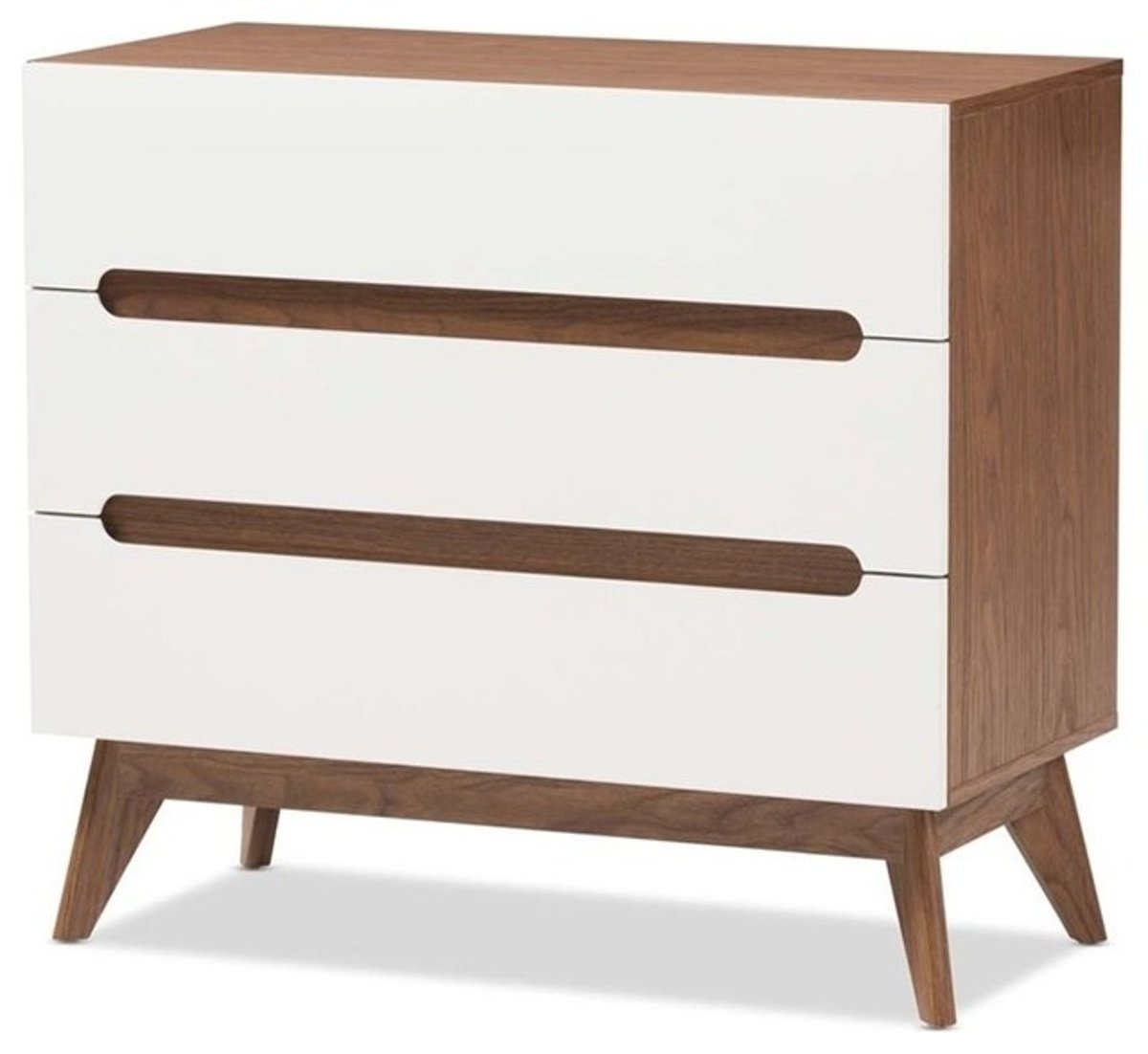
 The Artisan Craftsmanship Behind Hawthorne Collections White/Walnut Chests
 Accent Chests & Cabinets
 Curved Design Elements in Contemporary Furniture Trends
 Accent Chests & Cabinets
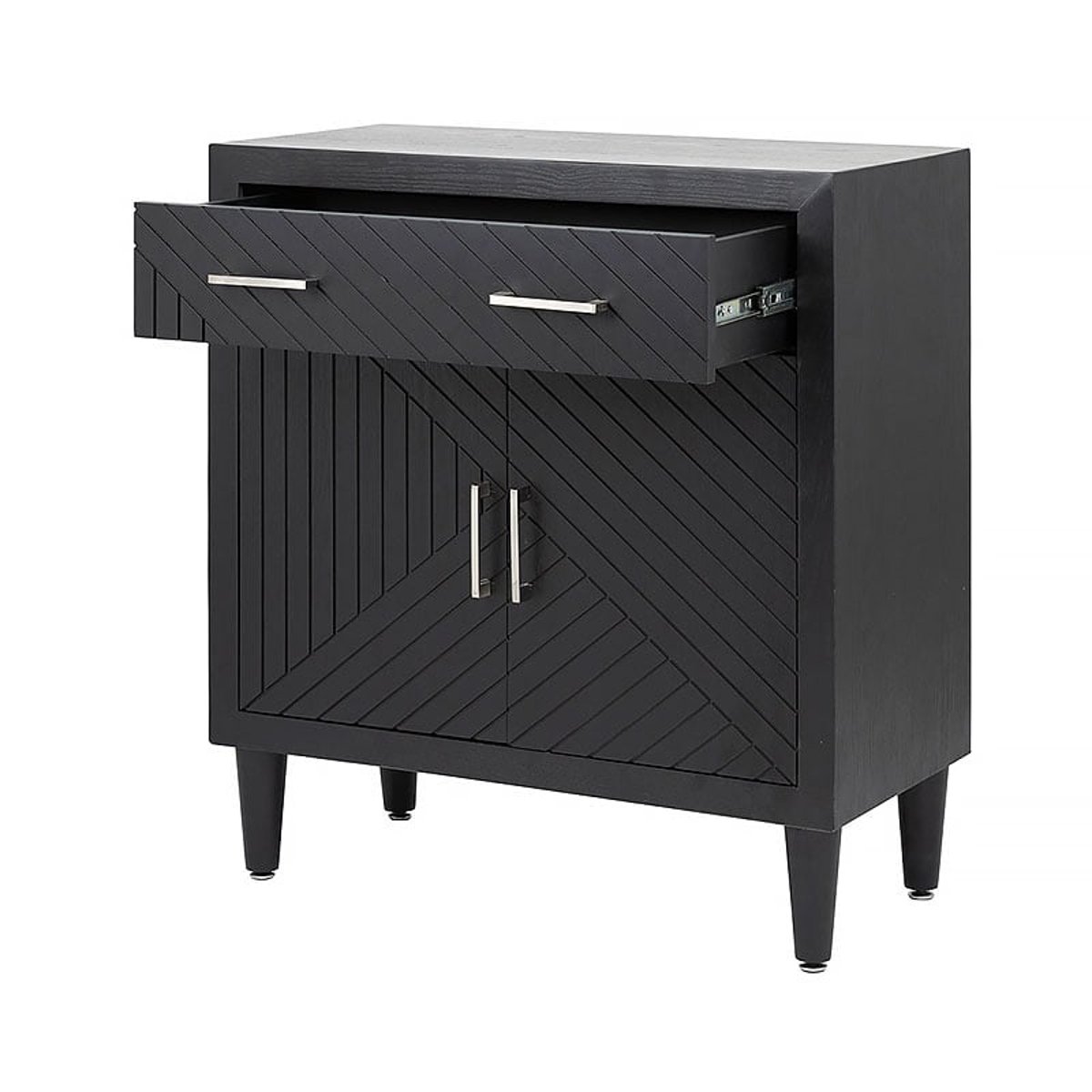
 Choosing the Right 1 Drawer 2 Door Cabinet for Your Specific Needs
 Accent Chests & Cabinets