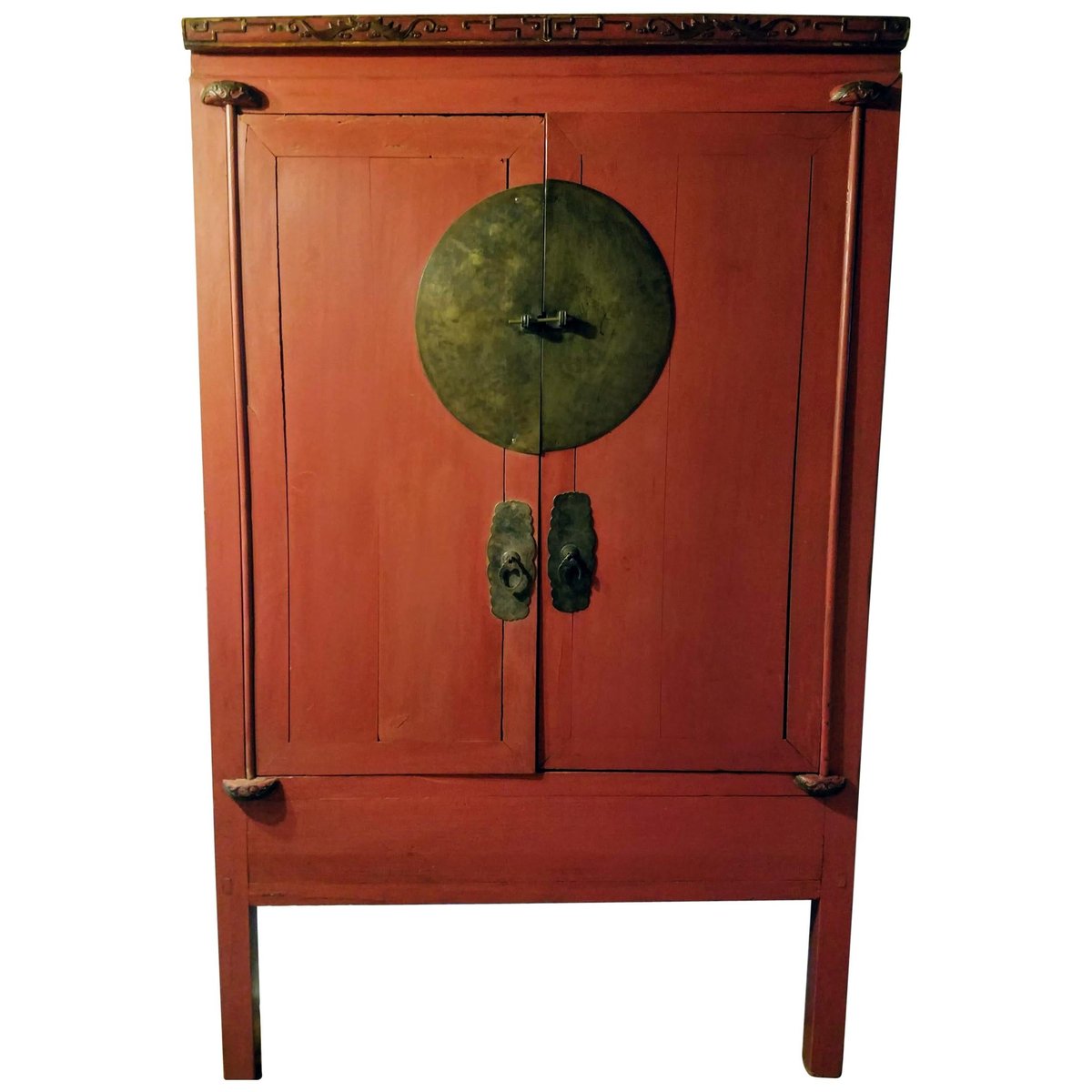
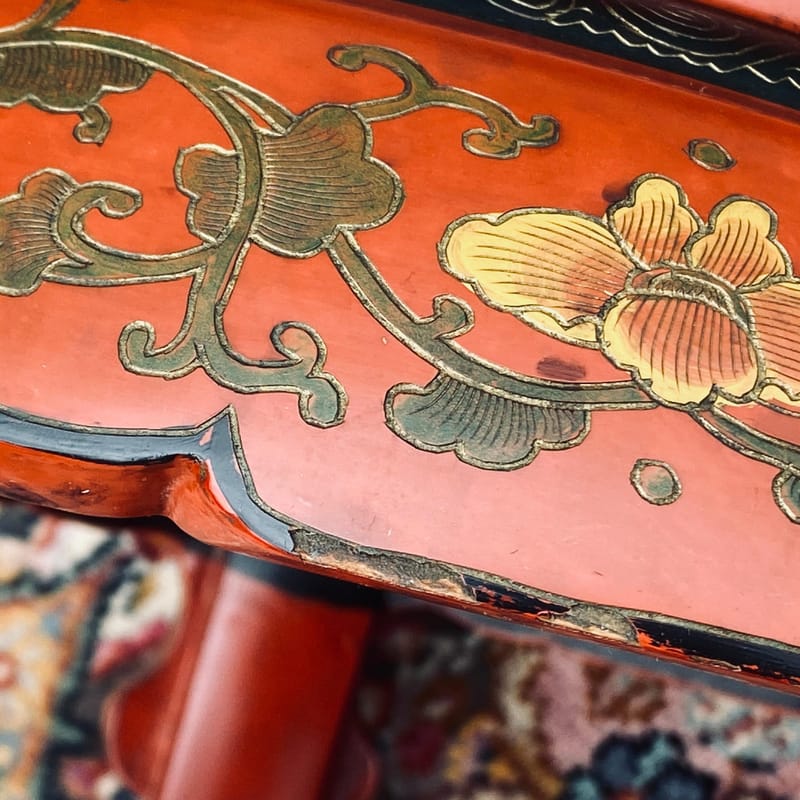
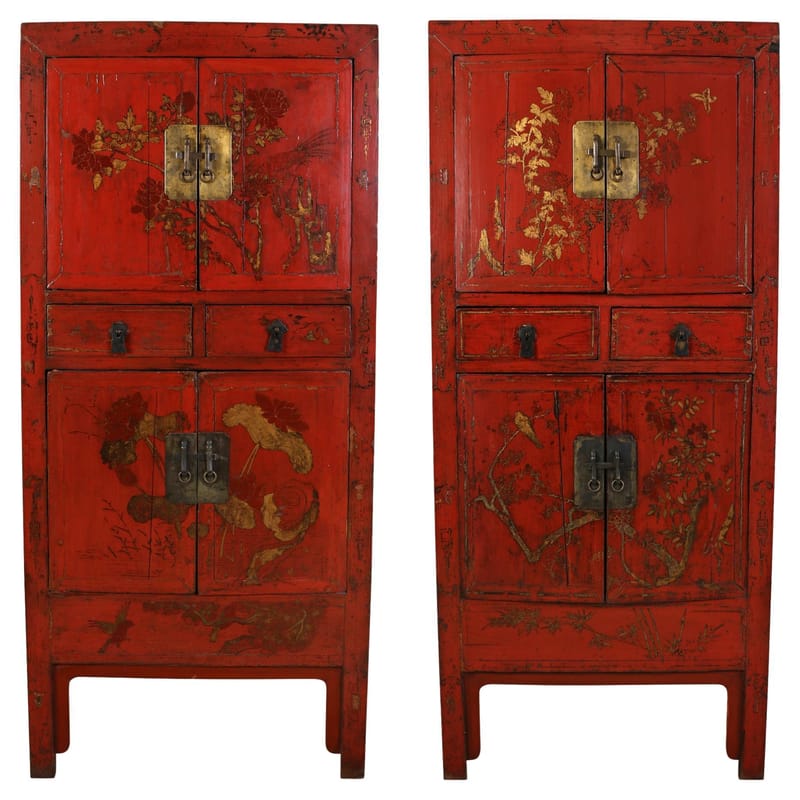
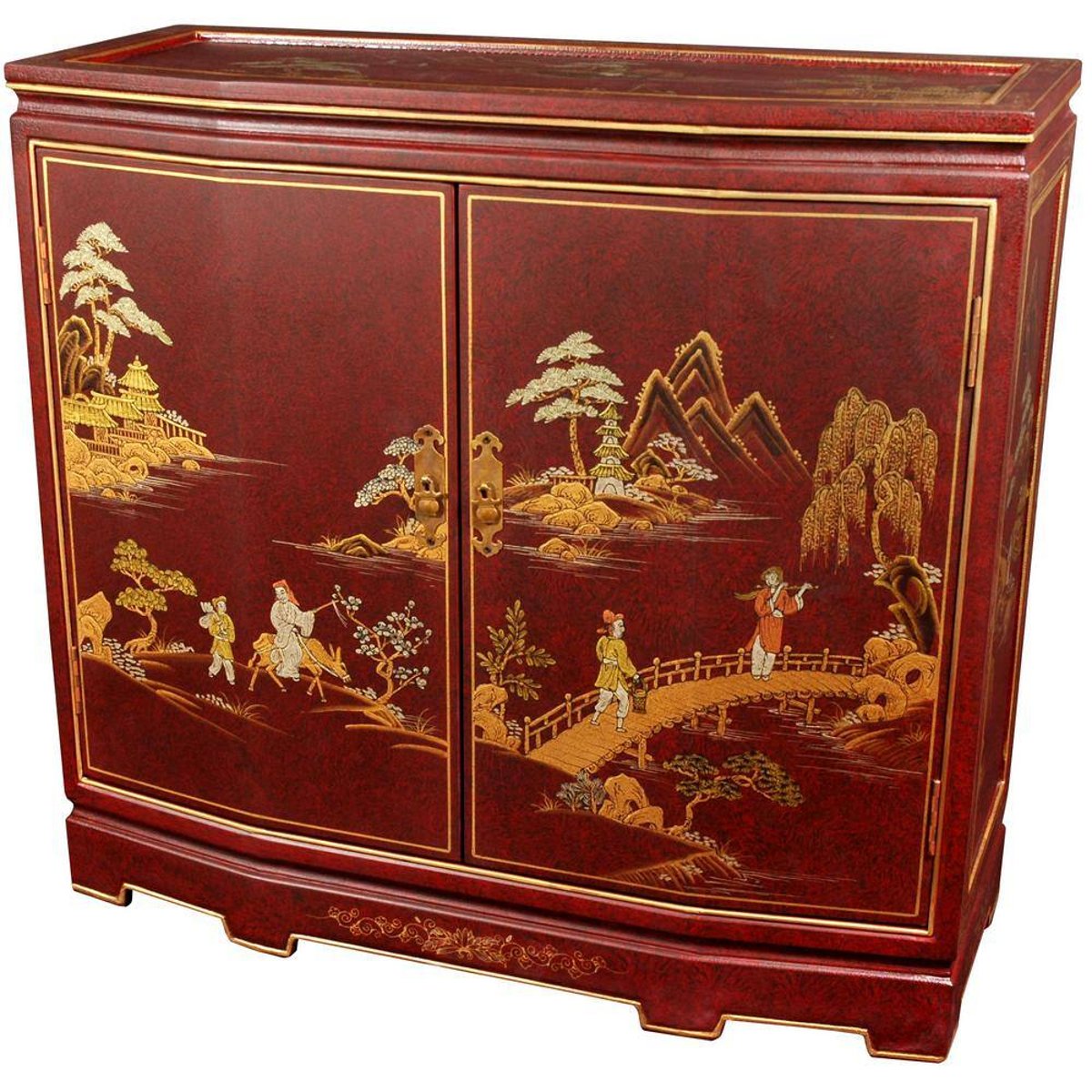
When you think of classic Oriental furniture, what often comes to mind is that deep, lustrous finish. For centuries, red lacquer has held a special place, adorning everything from humble household items to imperial treasures. It’s more than just a color; it's a symbol of prosperity, good fortune, and enduring beauty. Let's unfurl the fascinating story behind this captivating finish and why it continues to mesmerize us today.
Imagine a piece of furniture that seems to glow from within, its surface a deep, vibrant red that catches the light just so. This isn't just paint; it's lacquer, a material derived from the sap of the lacquer tree, a process honed over millennia. In many East Asian cultures, particularly China and Japan, red is a color of immense significance – representing joy, celebration, and warding off evil. Combining this potent hue with the ancient art of lacquering created a finish that was not only visually stunning but also deeply symbolic. It’s a craft passed down through generations, a testament to patience and masterful skill. This journey into red lacquer furniture is a look into history, artistry, and a timeless aesthetic that transcends mere decoration.
From Ancient Sap to Exquisite Finish: The Lacquer Process
The magic of red lacquer begins with a humble tree, Toxicodendron vernicifluum, also known as the lacquer tree. Its sap, a milky white substance, is the raw material for this incredible finish. But getting from sap to that gleaming surface is a labor of love, and quite frankly, a bit of a challenge. The sap contains urushiol, which can cause skin irritation, so careful handling is essential. The sap is collected, purified, and then mixed with pigments – in this case, cinnabar or other red compounds – to achieve that iconic red. The application itself is where the true artistry lies. It involves applying multiple, incredibly thin layers, with each layer needing to dry and cure completely before the next can be added. This can take weeks, even months, for a single piece of furniture. Each layer cures to form a hard, durable, and waterproof shell. Think of it like building a protective, beautiful shield, layer by painstaking layer. This meticulous approach is what gives traditional lacquerware its incredible longevity and depth of color.
Red: A Color of Power and Prosperity
Why red? In Chinese culture, red is intrinsically linked to good luck, happiness, and prosperity. It’s the color of celebrations, weddings, and New Year festivities. It's believed to scare away evil spirits and bring good fortune. This deep cultural resonance made red lacquer a natural choice for furniture that was meant to be both beautiful and auspicious. Imagine a wedding chest lacquered in vibrant red, symbolizing a bright and joyful future for the couple. Or a scholar’s desk, its red surface reflecting the hope for success and advancement. The color wasn't just decorative; it was imbued with meaning and intention, turning everyday objects into carriers of cultural values and aspirations. It’s a visual language, expressing wishes for a good life.
Craftsmanship Through the Dynasties
The art of lacquering in China dates back thousands of years, with evidence found from the Neolithic period. Over the centuries, techniques evolved and refined. During imperial dynasties like the Ming and Qing, lacquerware reached its zenith. Craftsmen developed sophisticated methods, including carved lacquer (gongdiao), where intricate designs are carved into thick layers of lacquer, often in multiple colors, to reveal patterns. Red was frequently used as the final, most visible layer, creating a stunning contrast with the underlying colors or carving. These pieces were not just furniture; they were works of art, commissioned for palaces and temples. The skill required was immense, demanding incredible precision and a deep understanding of the materials. Even simpler pieces, intended for more common use, carried the hallmark of quality and dedication.
Regional Variations and Styles
While red lacquer is predominantly associated with China, variations and similar traditions exist across East Asia. In Japan, lacquerware (urushi) is also a highly revered art form. Though often more associated with black and gold, vibrant reds are certainly present, particularly in traditional crafts. Korean lacquerware also boasts its own distinct styles, often incorporating mother-of-pearl inlay (najeon) onto lacquered surfaces, which can include rich red bases. Each region, and even different workshops within a region, developed subtle differences in their application techniques, pigment sources, and design motifs, contributing to a diverse and rich tapestry of red lacquer furniture across the continent. It’s fascinating how a shared material and color can manifest in so many unique ways.
The Enduring Appeal: Why We Still Love Red Lacquer
So, why does red lacquer furniture continue to captivate us in the modern world? Firstly, there's the sheer aesthetic appeal. That deep, lustrous finish is undeniably elegant and adds a touch of drama and sophistication to any space. It’s a statement piece that can transform a room. Beyond its beauty, there’s the connection to history and tradition. Owning a piece of red lacquer furniture can feel like owning a piece of history, a tangible link to centuries of craftsmanship and cultural heritage. And let’s not forget the durability. Properly cared for, antique lacquer furniture can last for centuries, a testament to the strength and resilience of the material. In a world of fast-changing trends, the timeless quality of red lacquer offers a sense of permanence and enduring value. It’s a blend of art, history, and practical application that’s hard to beat.
Caring for Your Red Lacquer Treasures
If you're fortunate enough to own or be considering a piece of red lacquer furniture, a little care goes a long way in preserving its beauty. The most crucial thing is to avoid harsh chemicals and abrasive cleaners. A soft, damp cloth is usually all you need for dusting and light cleaning. Keep the furniture away from direct sunlight and extreme temperature fluctuations, as these can cause the lacquer to fade or crack over time. For deeper cleaning or to restore shine, specialized furniture polishes designed for lacquered surfaces can be used sparingly. Avoid placing hot or wet items directly on the surface; always use coasters or mats. Think of it like caring for delicate skin; gentle is the key. With proper attention, your red lacquer furniture can remain a stunning feature for generations to come.
The story of red lacquer in Oriental furniture is a testament to human ingenuity, artistic expression, and the enduring power of cultural symbolism. From the careful harvesting of sap to the meticulous application of countless layers, each piece tells a story of dedication and skill. The vibrant red hue, rich with meaning, has graced homes and palaces for centuries, symbolizing prosperity and joy. Even today, this ancient craft continues to enchant, offering a unique blend of historical depth, striking beauty, and remarkable durability. Whether you’re an admirer of antique pieces or drawn to the allure of modern interpretations, the legacy of red lacquer furniture is a captivating chapter in the history of design and craftsmanship, a legacy that continues to shine brightly.
Related Posts
 Accent Chests & Cabinets
 The Evolution of Sabanti Anywhere Cabinet in Modern Workspaces
 Accent Chests & Cabinets
 The Art of Functional Design in French Industrial Style Furniture
 Accent Chests & Cabinets
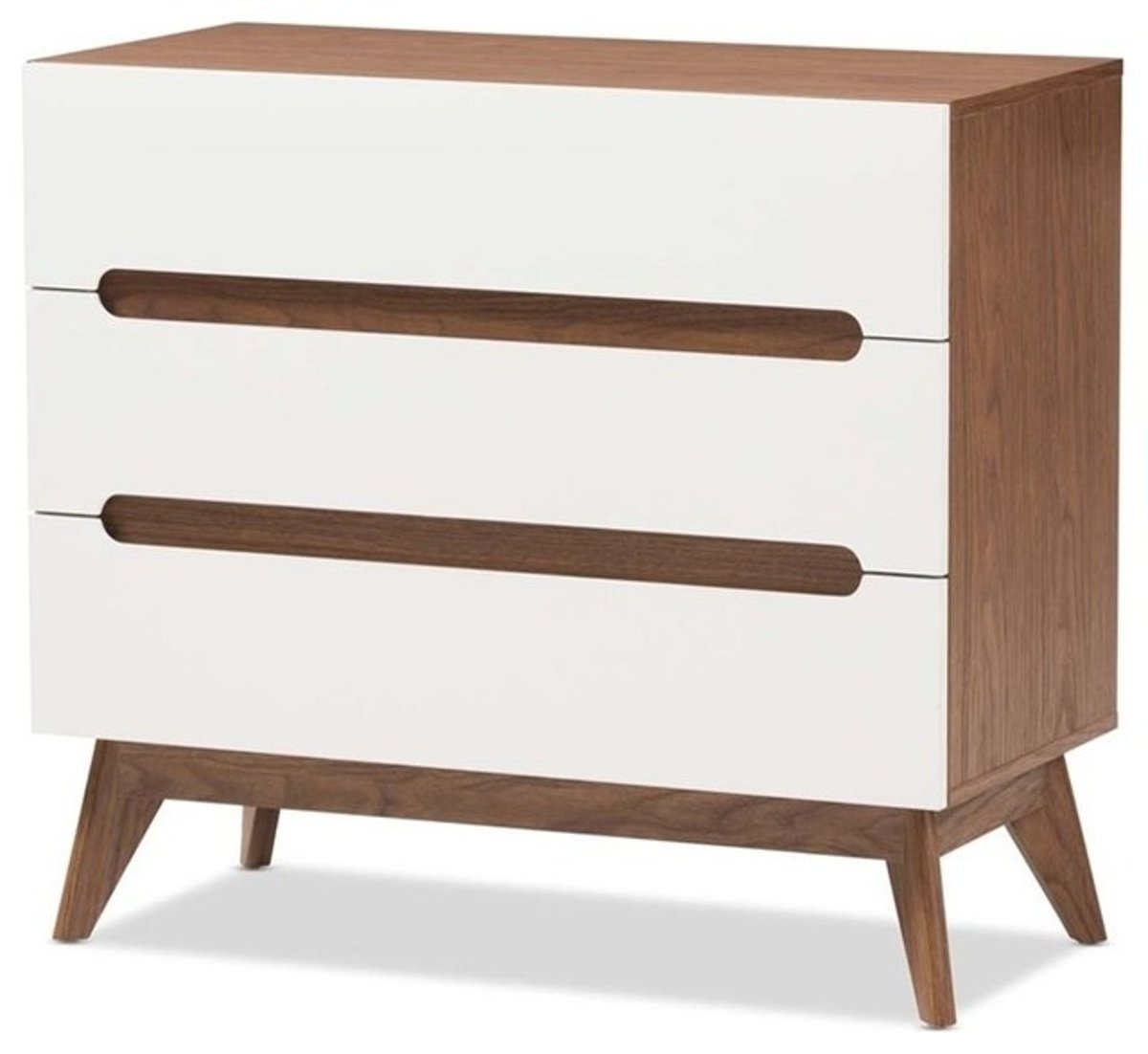
 The Artisan Craftsmanship Behind Hawthorne Collections White/Walnut Chests
 Accent Chests & Cabinets
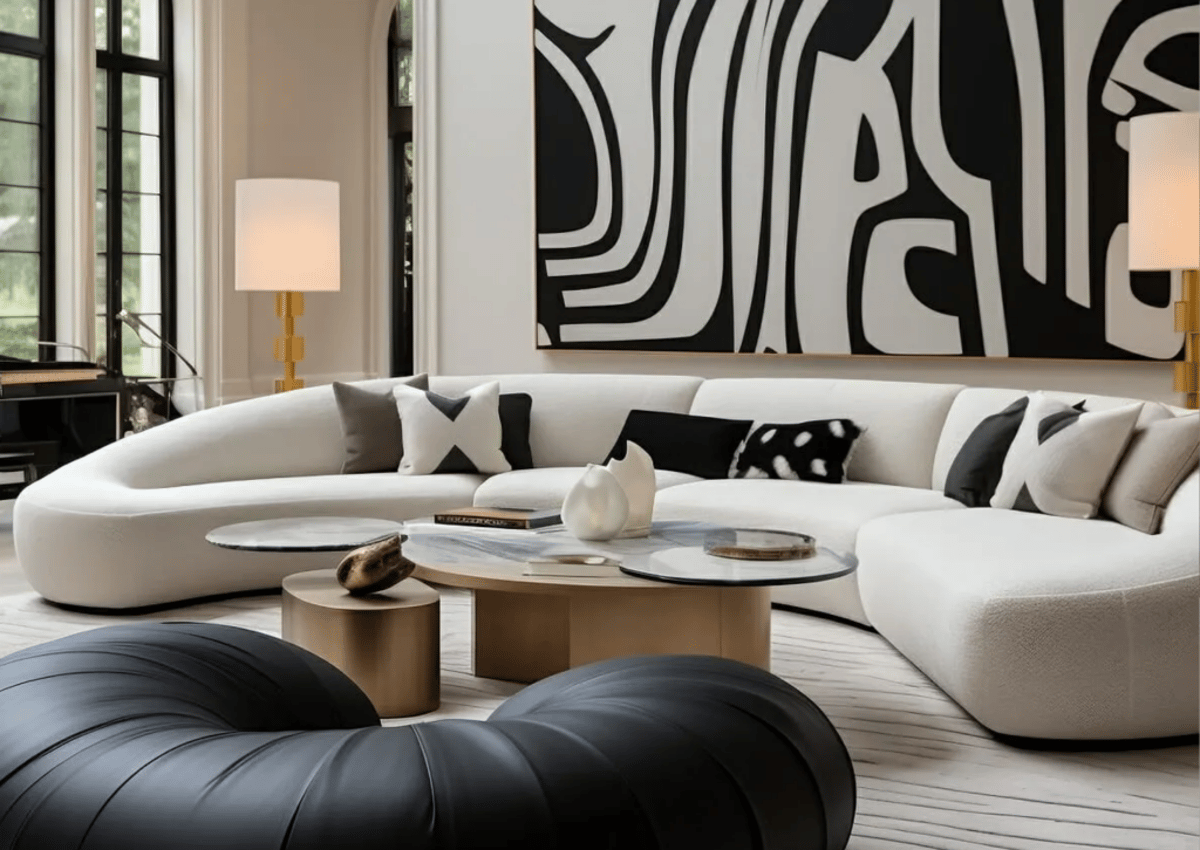
 Curved Design Elements in Contemporary Furniture Trends
 Accent Chests & Cabinets
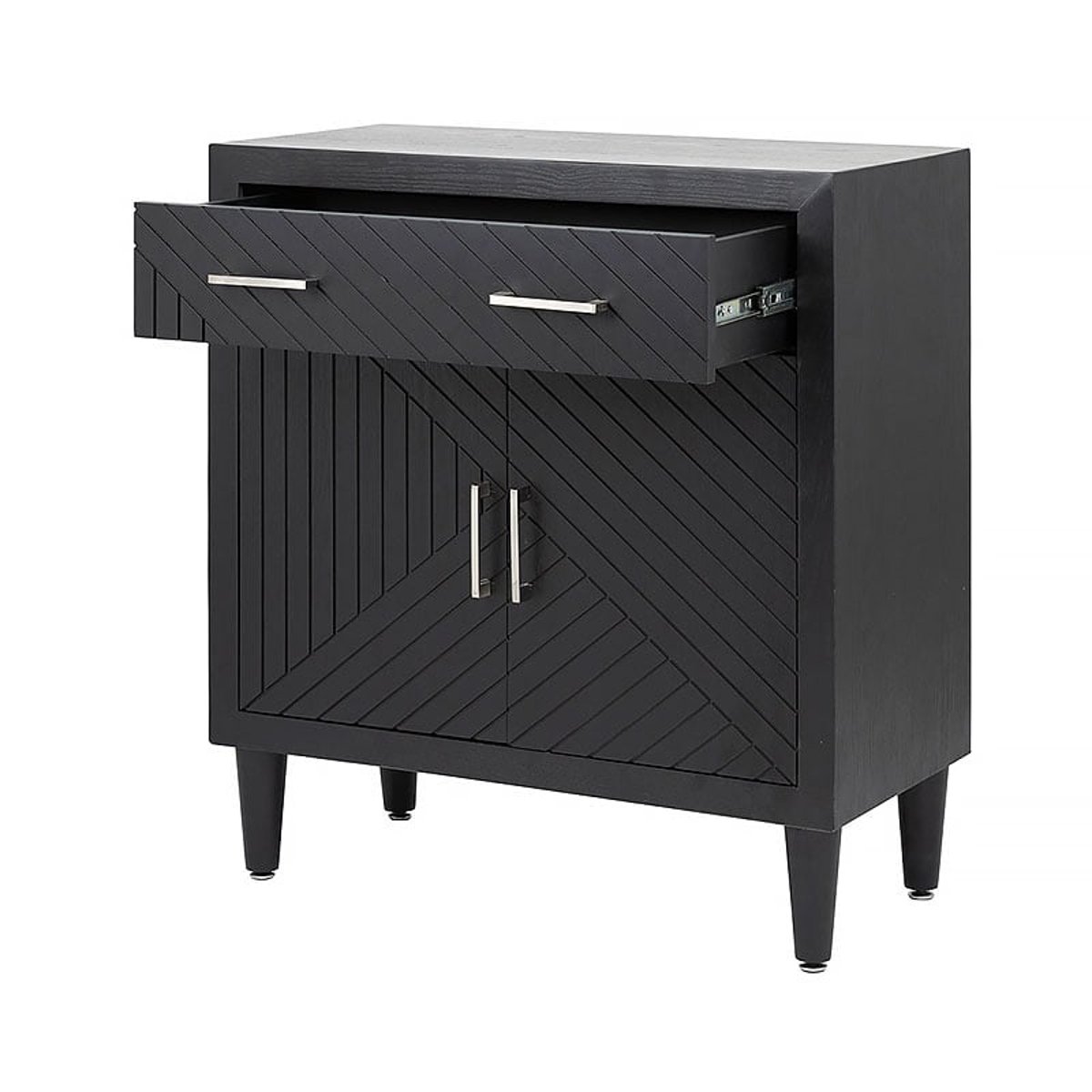
 Choosing the Right 1 Drawer 2 Door Cabinet for Your Specific Needs
 Accent Chests & Cabinets