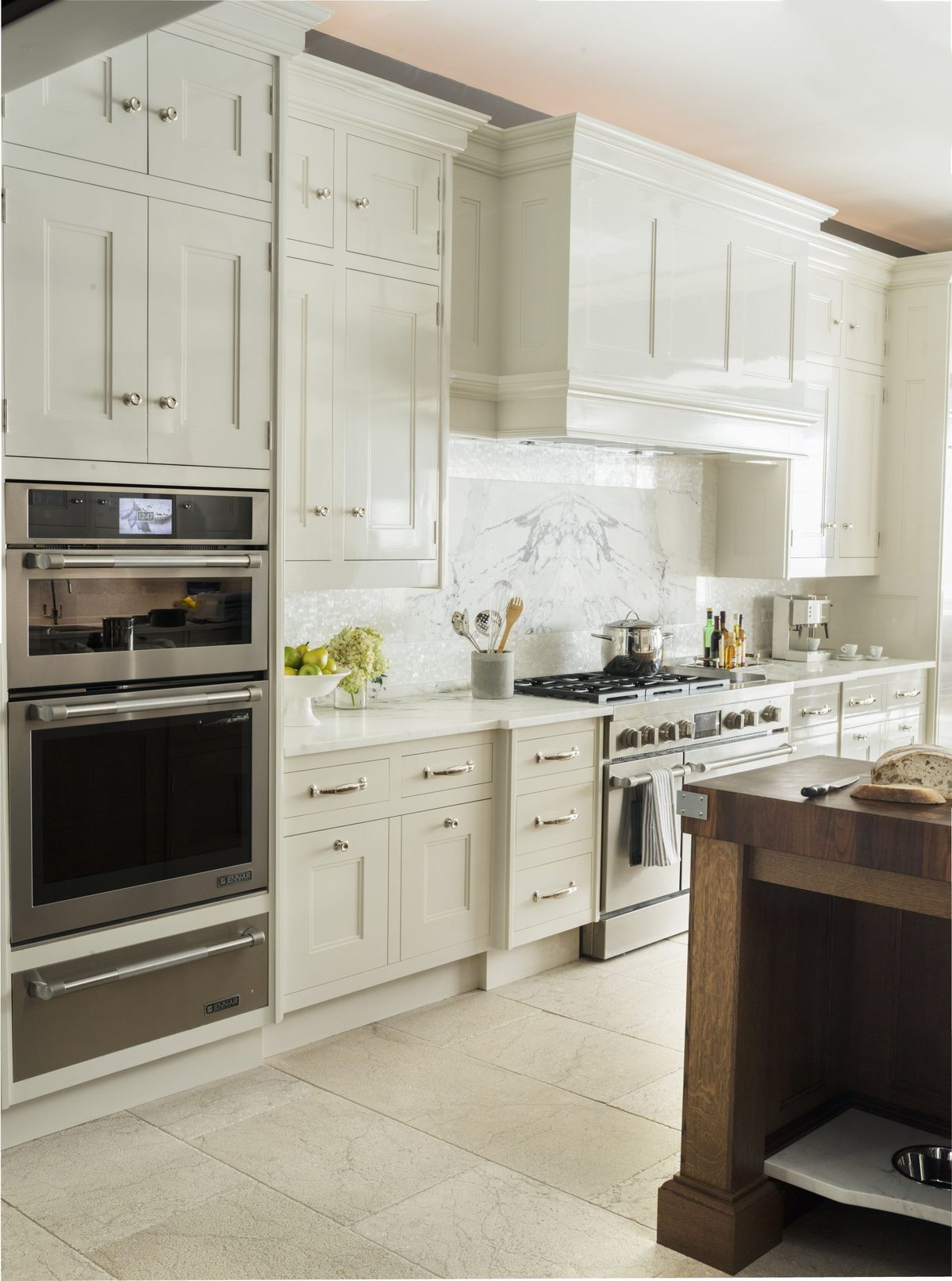
White cabinets have long been a staple in kitchen design, and for good reason. They brighten spaces, offer a sense of cleanliness, and act as a versatile canvas for any decor style. But when you blend the classic elegance of white with the adaptable nature of transitional design, you get something truly special: white transitional cabinets. This style marries the clean lines and simplicity of modern aesthetics with the warmth and traditional touches of more classic designs. The result? A look that feels both current and enduringly comfortable. Think of it as the perfect middle ground, a style that appeals to many tastes and easily adapts as your own preferences evolve over time. It’s no wonder so many homeowners are drawn to this sophisticated and practical choice for their kitchens.
So, you're thinking about a kitchen refresh, or perhaps designing a brand new culinary space. And you've landed on white transitional cabinets. Smart choice. This style is a fantastic way to achieve that sought-after 'seamless look' – a kitchen that feels unified, polished, and utterly inviting. But what exactly are white transitional cabinets, and how do you make them work wonders in your home? Let's dive in. We'll explore what makes this style so popular, how to select the right kind, and some ideas for pulling it all together to create a kitchen that’s not just beautiful, but also perfectly functional. Get ready to fall in love with your kitchen all over again.
Understanding the 'Transitional' Style
What makes a cabinet 'transitional'? It’s all about balance. Transitional design is a bridge between two worlds: the clean, minimalist lines of contemporary or modern styles and the richer, more ornate details of traditional design. For cabinets, this means you'll often see a shaker-style door or a simple slab door, but perhaps with a subtle bevel or a slightly raised center panel. It’s not starkly modern, and it’s definitely not fussy. The hardware plays a big role here too; you might opt for sleek, brushed nickel pulls or perhaps something with a bit more character, like a matte black knob with a gentle curve. The overall effect is sophisticated without being cold, and familiar without being dated. It’s a design that whispers elegance rather than shouting it, making it incredibly versatile for a wide range of home interiors.
Why White? The Power of a Neutral Palette
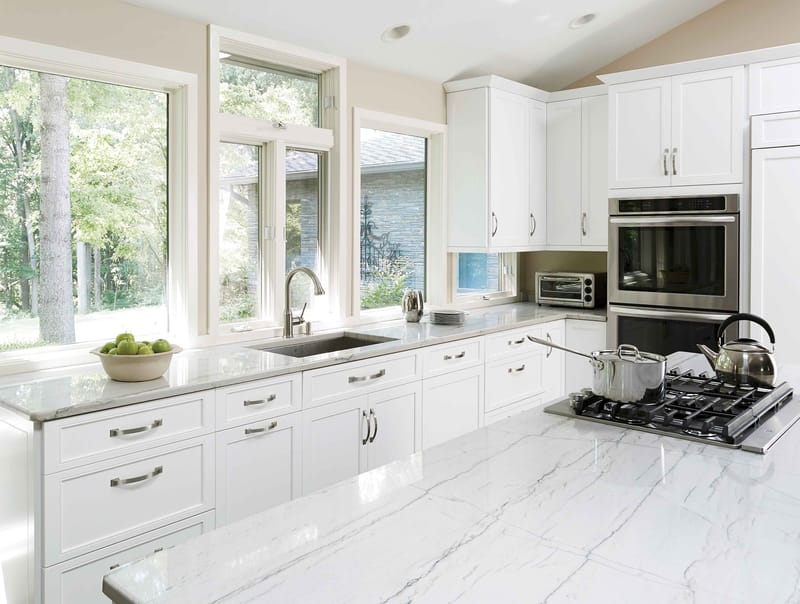
White is more than just a color; it's a design philosophy. In a kitchen, white cabinets have a magical ability to make spaces feel larger, brighter, and more open. They reflect light beautifully, which is a huge plus, especially in kitchens that don't get a lot of natural sun. Plus, white is the ultimate chameleon. It pairs effortlessly with almost any countertop material, from the veining of natural marble to the speckled look of granite or the solid, clean surface of quartz. It also works with a myriad of backsplash options, whether you're drawn to classic subway tile, intricate mosaics, or a bold, graphic pattern. This neutral foundation allows you to bring in color and personality through accessories, small appliances, or even a statement pendant light, without the space feeling overwhelming. It’s a foolproof way to ensure your kitchen remains stylish for years to come, no matter how trends may shift.
Achieving that 'Seamless Look
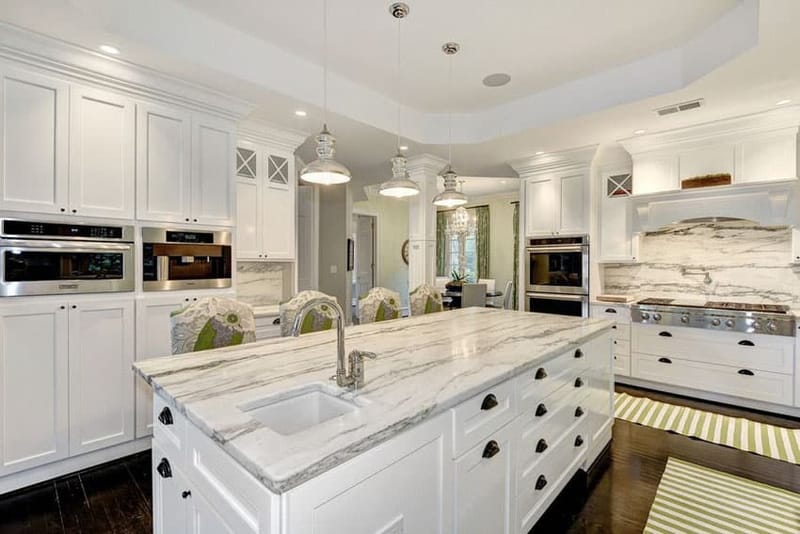
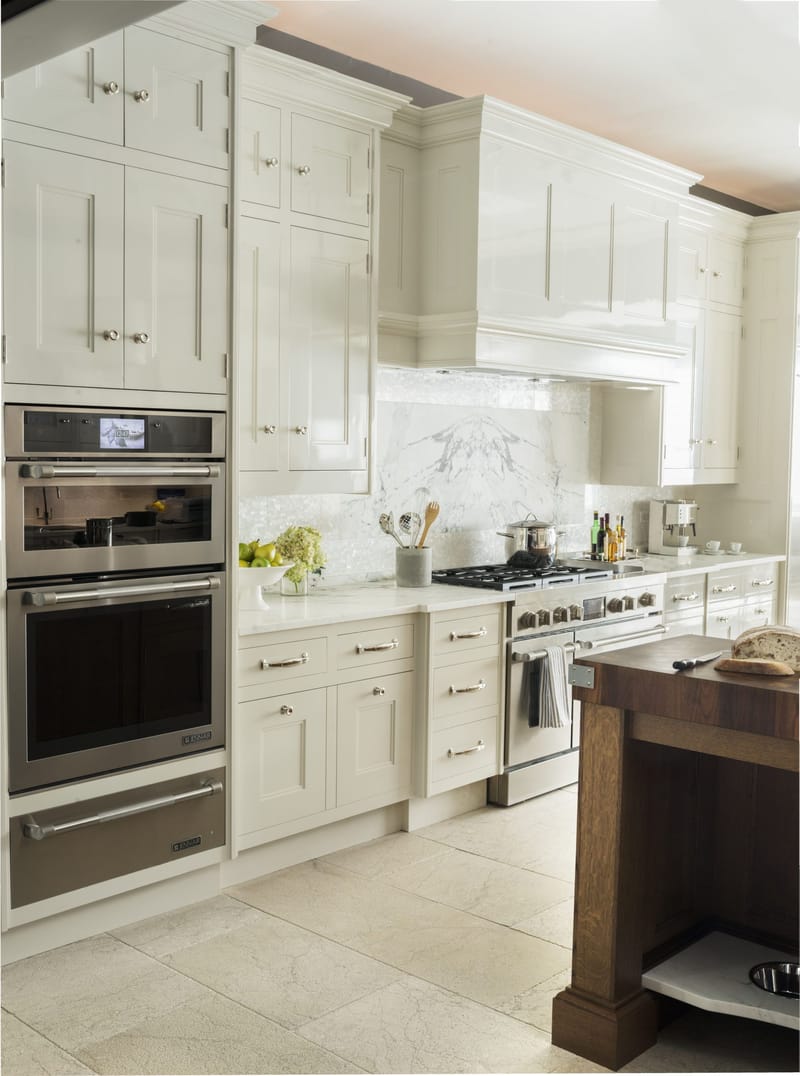
The 'seamless look' is all about creating visual continuity and harmony. With white transitional cabinets, this starts with the cabinet style itself. Opting for a consistent door style throughout your kitchen is key. For instance, if you choose a shaker door for your base cabinets, using the same style for your upper cabinets and any pantry units will create that unbroken flow. The finish is also crucial. A consistent shade of white, whether it's a crisp pure white, a soft off-white, or a creamy ivory, prevents visual jarring. Think about the hardware placement too. Consistent spacing and alignment of pulls and knobs contribute to a clean, orderly appearance. And don't forget the integration with other elements. Seamlessness extends to how your cabinets meet your countertops, your backsplash, and even your appliances. Built-in appliances that blend in with cabinet panels, for example, further enhance this smooth, integrated feel. It’s about minimizing visual interruptions and letting the overall design breathe.
Cabinet Construction and Finishes: What to Look For
When selecting white transitional cabinets, paying attention to construction and finish will make a big difference in both appearance and durability. Look for solid wood or high-quality plywood for the cabinet boxes; particleboard can be less durable over time. For the doors and drawer fronts, solid wood or a well-applied veneer is preferable. The finish is paramount for white cabinets. You'll encounter different types, like painted MDF (medium-density fiberboard) or painted solid wood. Painted wood can sometimes show slight expansion or contraction at the joints, especially with humidity changes, which might lead to tiny paint lines. MDF, when painted, often offers a very smooth, uniform finish. Consider a catalyzed conversion varnish or a high-quality lacquer for the paint finish, as these are durable and resistant to moisture and staining. Matte or satin finishes tend to hide fingerprints better than high gloss, which can be a practical consideration for a busy kitchen.
Pairing Your Cabinets: Countertops, Backsplashes, and Flooring
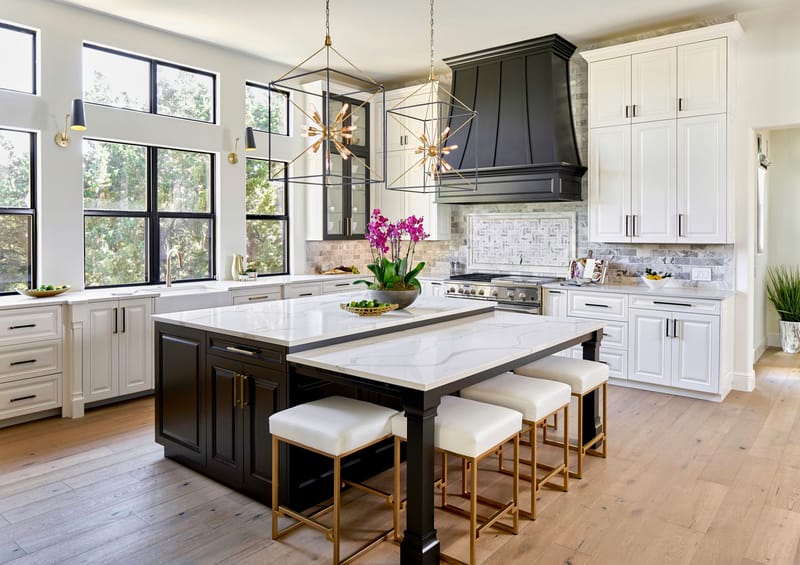
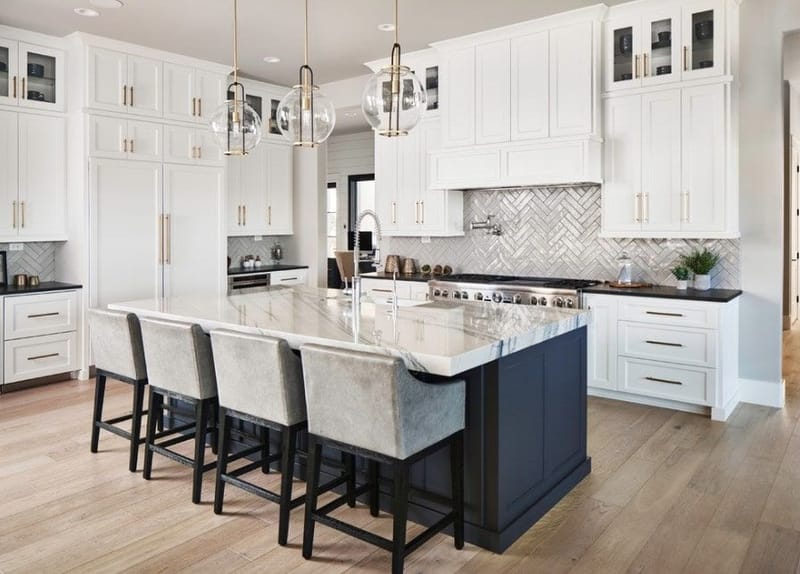
The beauty of white transitional cabinets lies in their adaptability. For countertops, you have a world of options. Classic white or light-colored quartz is a popular choice for a bright, airy feel. Alternatively, a dramatic dark granite or a warm butcher block can provide a striking contrast, grounding the space and adding depth. When choosing a backsplash, consider the overall mood you want to create. Simple white subway tile offers a timeless, clean look that complements the cabinets perfectly. For a bit more texture or pattern, a subtle mosaic or a honed marble tile can add understated elegance. Flooring is another area where white transitional cabinets shine. Light-colored wood floors, such as maple or light oak, will enhance the bright, airy feel. For a bolder statement, consider a darker wood tone or even a patterned tile. The key is to create a cohesive palette where each element supports the others, contributing to that desired seamless appearance.
Functionality and Hardware: The Finishing Touches
Beyond aesthetics, functionality is paramount in any kitchen. Transitional cabinets often offer a great balance of traditional storage solutions with modern conveniences. Think about drawer inserts, pull-out shelves, and specialized organizers that maximize space and make everyday tasks easier. The hardware – handles and knobs – is where you can really inject personality and refine the transitional look. For a cleaner, more modern feel, opt for sleek bar pulls in brushed nickel or chrome. If you prefer a touch more warmth or a nod to tradition, consider cup pulls, simple knobs in matte black, or even brushed brass for a subtle metallic accent. Ensure the hardware is comfortable to grip and complements the scale of your cabinets. Even small details like soft-close hinges and drawer slides contribute to a high-quality, seamless user experience that makes your kitchen a joy to be in.
White transitional cabinets offer a brilliant combination of timeless style, practical functionality, and incredible versatility. They provide the perfect foundation for creating a kitchen that feels both updated and enduringly classic. By focusing on the details – from the cabinet style and finish to the careful selection of countertops, backsplashes, flooring, and hardware – you can achieve that coveted seamless look. This style isn't just about aesthetics; it's about creating a beautiful, cohesive, and highly livable space that you'll enjoy for many years to come. So go ahead, embrace the understated elegance and let your kitchen shine.
Related Posts
 Accent Chests & Cabinets
 The Evolution of Sabanti Anywhere Cabinet in Modern Workspaces
 Accent Chests & Cabinets
 The Art of Functional Design in French Industrial Style Furniture
 Accent Chests & Cabinets
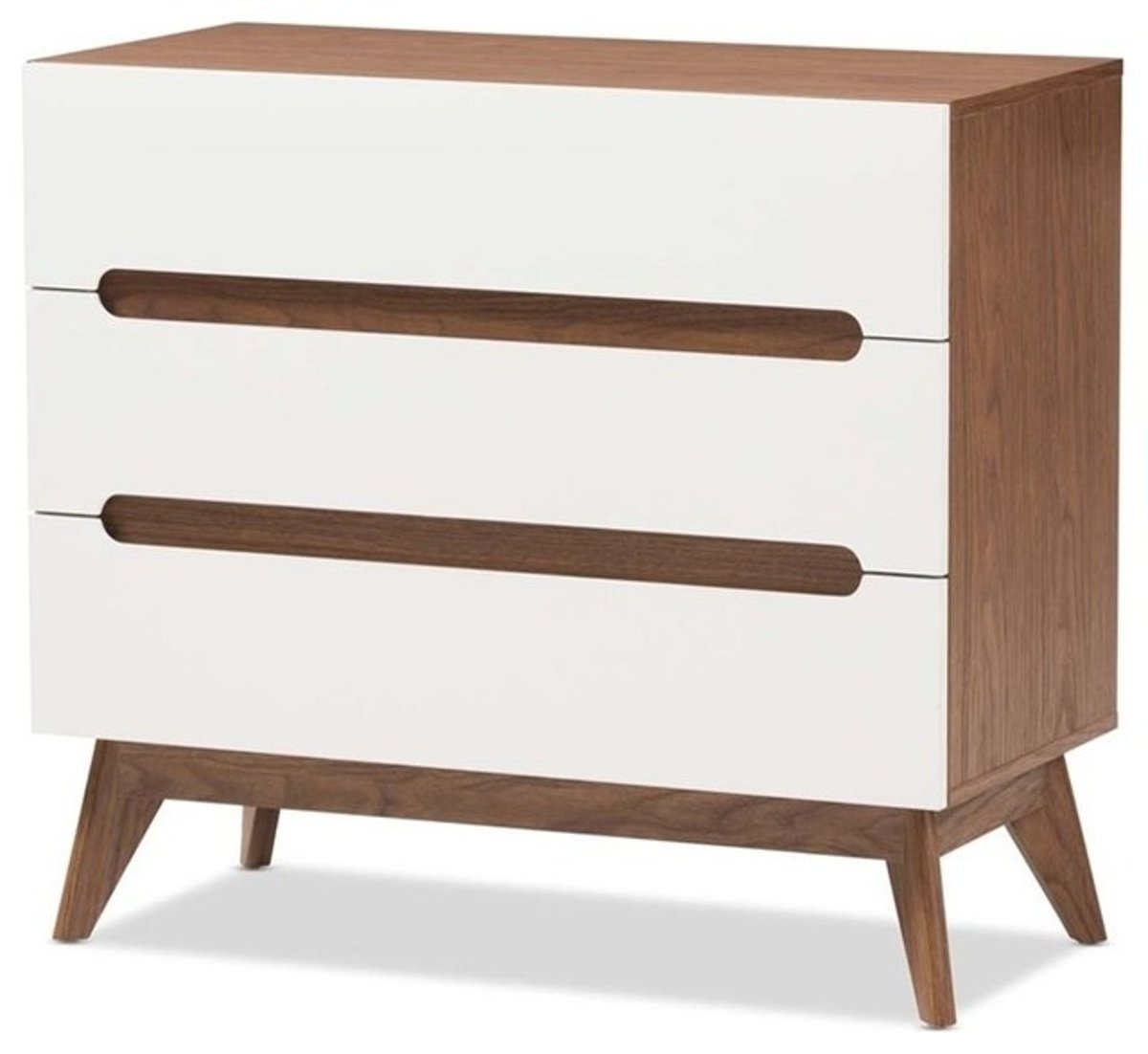
 The Artisan Craftsmanship Behind Hawthorne Collections White/Walnut Chests
 Accent Chests & Cabinets
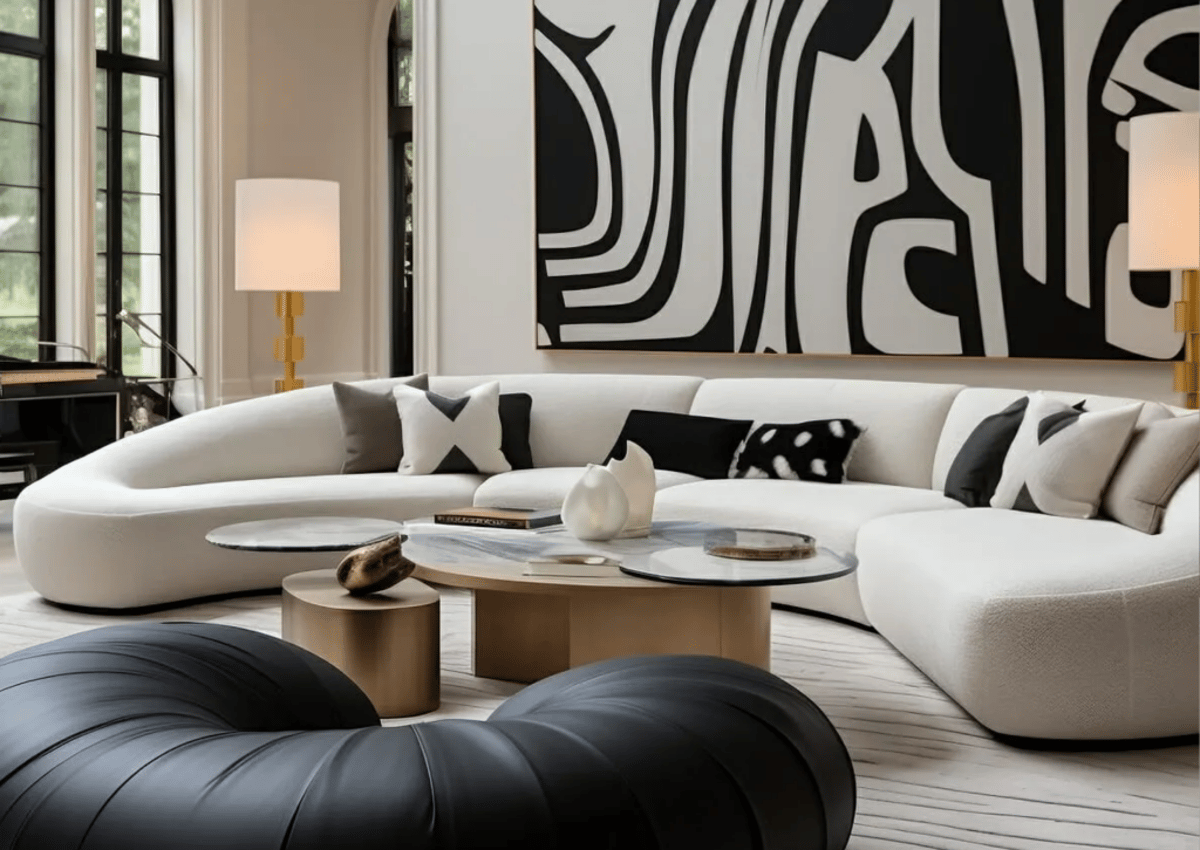
 Curved Design Elements in Contemporary Furniture Trends
 Accent Chests & Cabinets
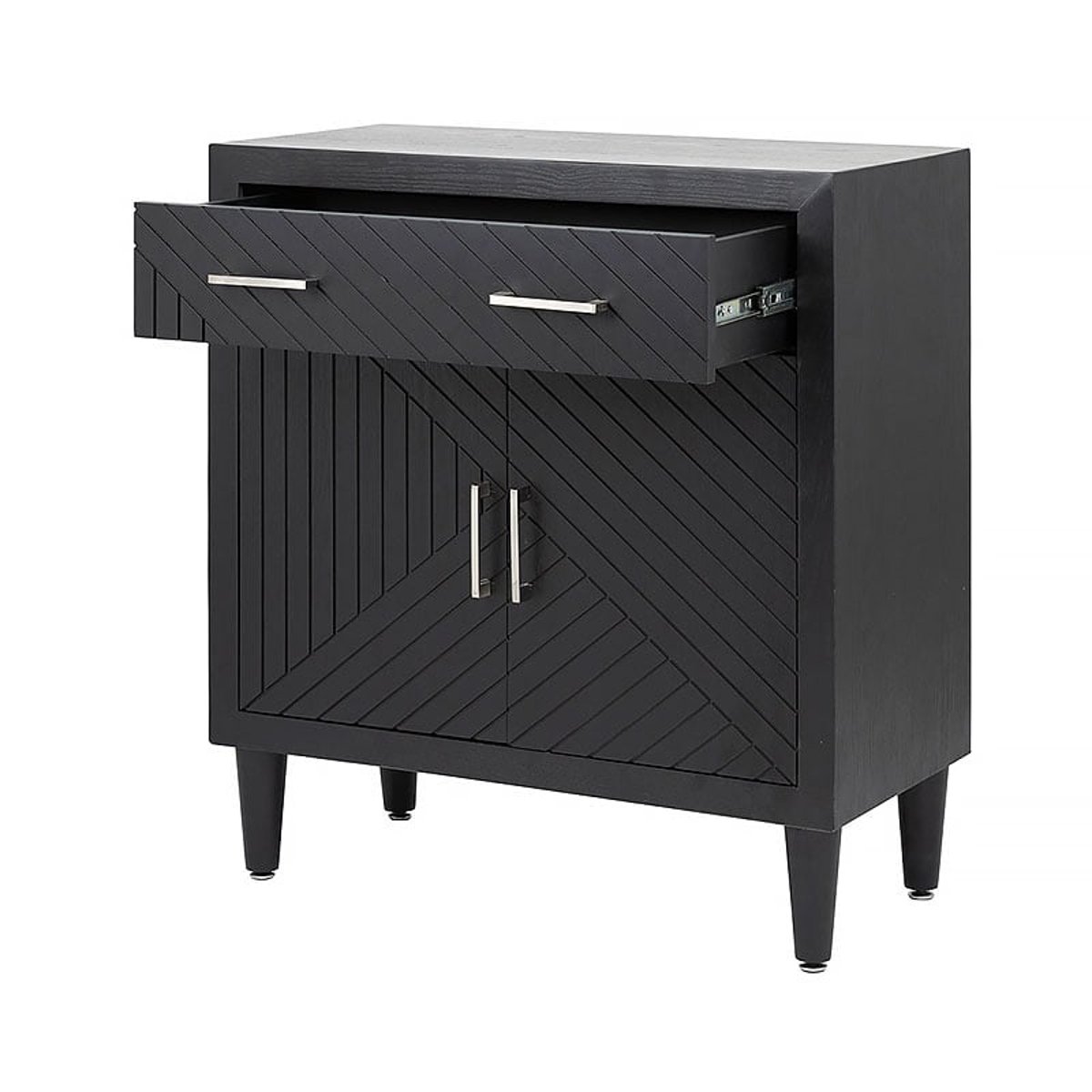
 Choosing the Right 1 Drawer 2 Door Cabinet for Your Specific Needs
 Accent Chests & Cabinets