
Have you ever looked at an old piece of furniture and wondered about the lives it’s witnessed. Barbados chests possess a unique charm, a silent testament to generations of history and craftsmanship. These aren't just boxes for belongings; they are vessels of memory, each scratch and patina telling a part of their unfolding narrative. Let's delve into what makes these chests so special and how they've transitioned from everyday utility items to treasured family heirlooms.
Imagine a time before modern storage solutions, when a sturdy chest was an essential part of every home. In Barbados, particularly during the colonial era and beyond, chests served a crucial purpose. They protected valuable possessions from the elements, pests, and the prying eyes of others. But over time, their significance has deepened. What was once a functional necessity has evolved into a symbol of heritage, a tangible link to our ancestors and the traditions they upheld. It’s a remarkable transformation, isn't it?
The Humble Beginnings: Built for Purpose
In the early days of Barbados settlement, resources were often scarce, and practicality reigned supreme. Craftspeople, often skilled enslaved individuals or indentured laborers, used readily available tropical hardwoods like mahogany, cedar, and lignum vitae to construct these chests. The designs were robust and straightforward, prioritizing durability and security. Think thick planks, strong joinery, and often reinforced with metal strapping. Their primary function was storage – for clothes, linens, tools, important documents, and even provisions. They were the workhorses of the household, designed to withstand the rigors of daily life and the tropical climate.
Craftsmanship and Materials: A Testament to Skill
While built for utility, the inherent skill of the makers is undeniable. Even the simplest chests showcase careful joinery, often using dovetails or mortise and tenon joints, which are signs of quality woodworking. The selection of hardwoods was deliberate; these woods were not only abundant but also resistant to rot and insects, crucial for longevity in the Caribbean. Many chests feature decorative elements, even if subtle. This might include chamfered edges, simple carved motifs, or the distinctive ironwork on locks and handles. These details, while perhaps not overtly ornate, speak volumes about the care and pride taken in their creation. It’s this blend of robust construction and subtle artistry that sets them apart.
The Evolving Role: From Storage to Status
As families prospered, so too did the chests they owned. What started as a basic storage unit began to reflect social standing. More affluent households might have commissioned chests with more elaborate carvings, finer woods, or more intricate metalwork. They became repositories for finer clothing, silverware, and personal treasures. The chest wasn't just about keeping things safe; it was also a statement piece, a symbol of a family's success and stability. It’s fascinating how an object’s meaning can shift with the fortunes of its owners.
The Transition to Heirloom: Carrying Stories
The true magic of a Barbados chest lies in its ability to transcend its original function and become a carrier of personal and family history. As generations passed, these chests were passed down. They moved with families, witnessed births, deaths, celebrations, and everyday moments. The wear and tear – the scuffs on the corners, the darkened patina of the wood, the worn handles – are not imperfections; they are inscriptions of lived experiences. Each chest becomes a silent narrator, holding within its sturdy frame the memories and legacy of those who owned and used it. This is where utility truly blossoms into heirloom status.
Caring for Your Barbados Chest: Preserving the Legacy
If you're fortunate enough to have a Barbados chest, preserving it is a rewarding endeavor. The key is gentle care. Avoid harsh chemicals or abrasive cleaners. A soft, dry cloth is often best for dusting. For deeper cleaning, a slightly damp cloth followed immediately by a dry one can work, but always test in an inconspicuous area first. If the wood seems dry, a good quality furniture wax specifically designed for antique wood can help nourish and protect it. For any repairs, especially to the metalwork or structural integrity, it’s wise to consult with a furniture restorer who has experience with antique pieces. Proper care ensures that this piece of history continues to tell its story for many more years.
Finding and Appreciating Barbados Chests Today
Today, finding authentic Barbados chests can be a treasure hunt. They might be discovered in antique shops, estate sales, or even passed down through families within Barbados and its diaspora. When you encounter one, take a moment to appreciate its craftsmanship, the story it might hold, and the journey it has taken. Owning or even just appreciating a Barbados chest is like holding a piece of tangible history. They remind us of the resourcefulness and skill of past generations and the enduring power of objects to connect us to our roots.
Barbados chests are far more than just antique furniture. They represent a fascinating evolution from essential tools of daily life to cherished artifacts of heritage. Their sturdy construction speaks of practicality, while their enduring presence tells tales of family, memory, and the passage of time. Whether you own one, are searching for one, or simply admire them from afar, these chests offer a profound connection to the past and a beautiful reminder of the stories that furniture can hold. They truly are treasures, unlocking their narrative with every passing year.
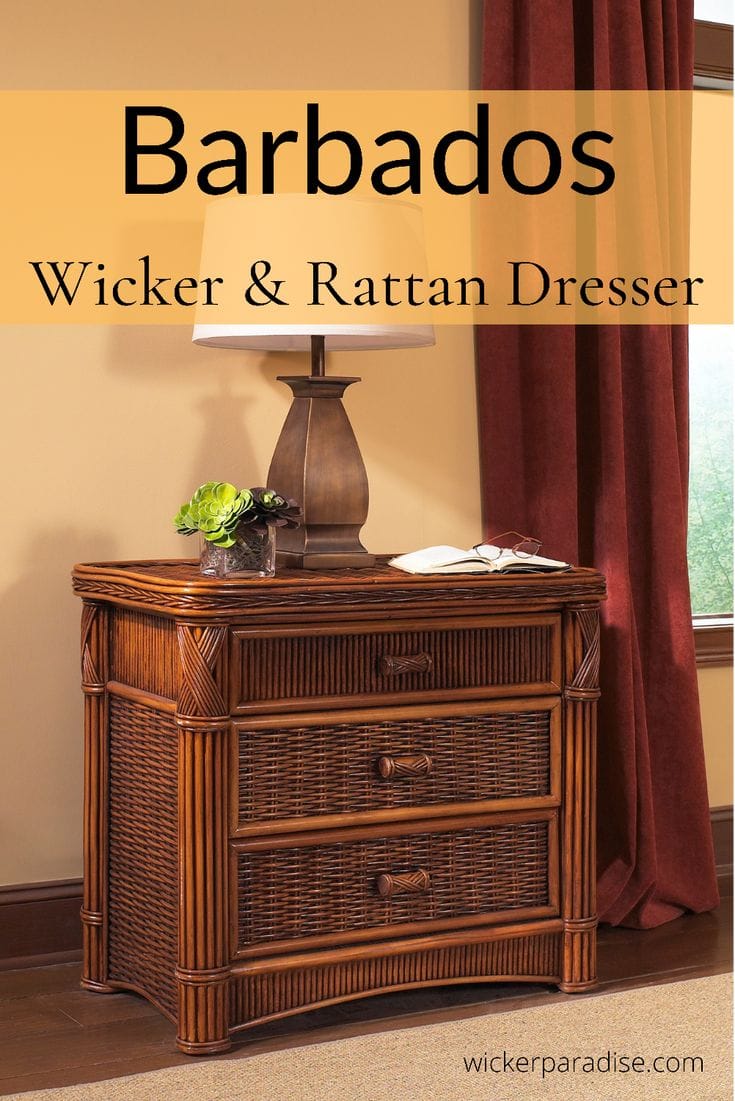
Related Posts
 Accent Chests & Cabinets
 The Evolution of Sabanti Anywhere Cabinet in Modern Workspaces
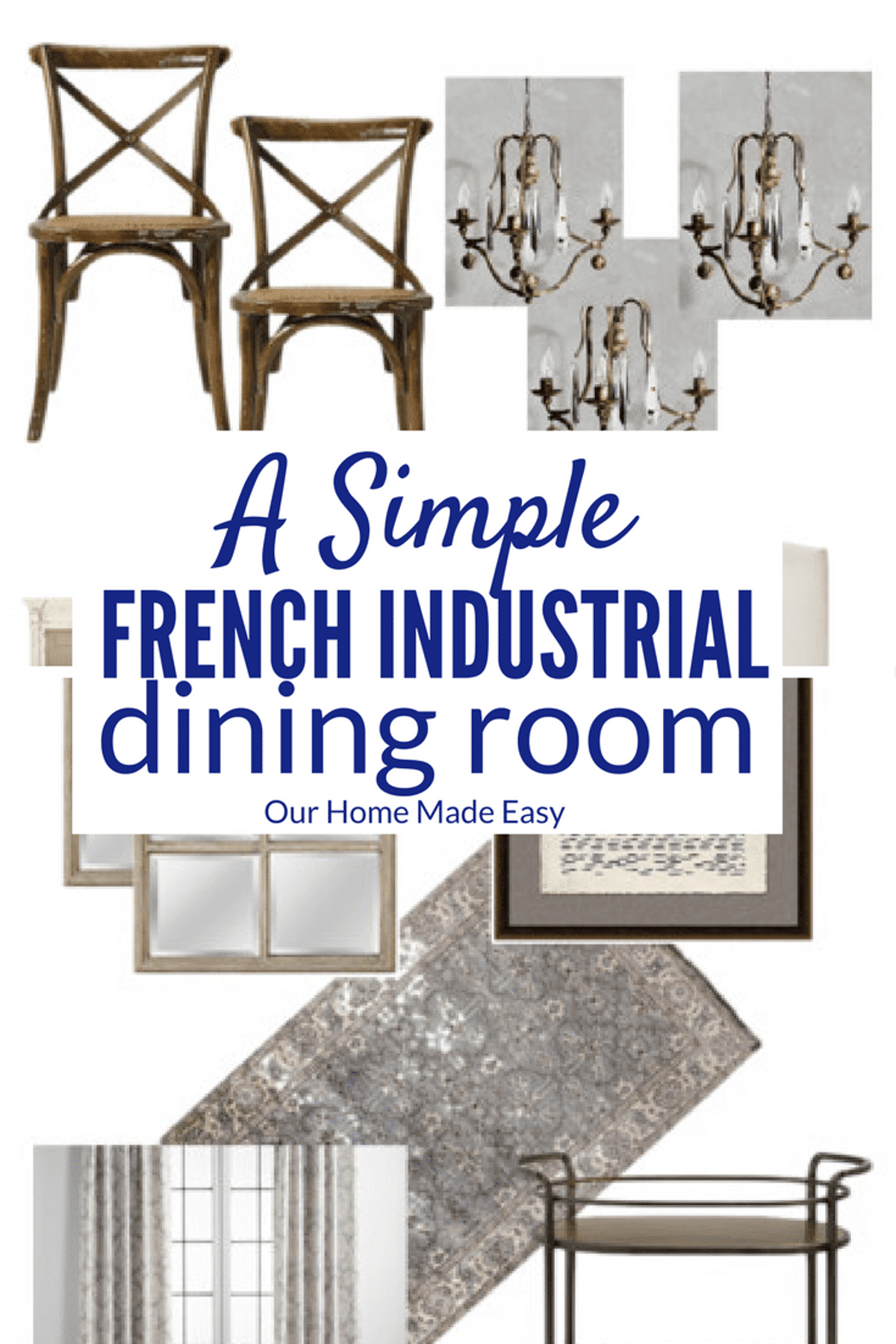 Accent Chests & Cabinets
 The Art of Functional Design in French Industrial Style Furniture
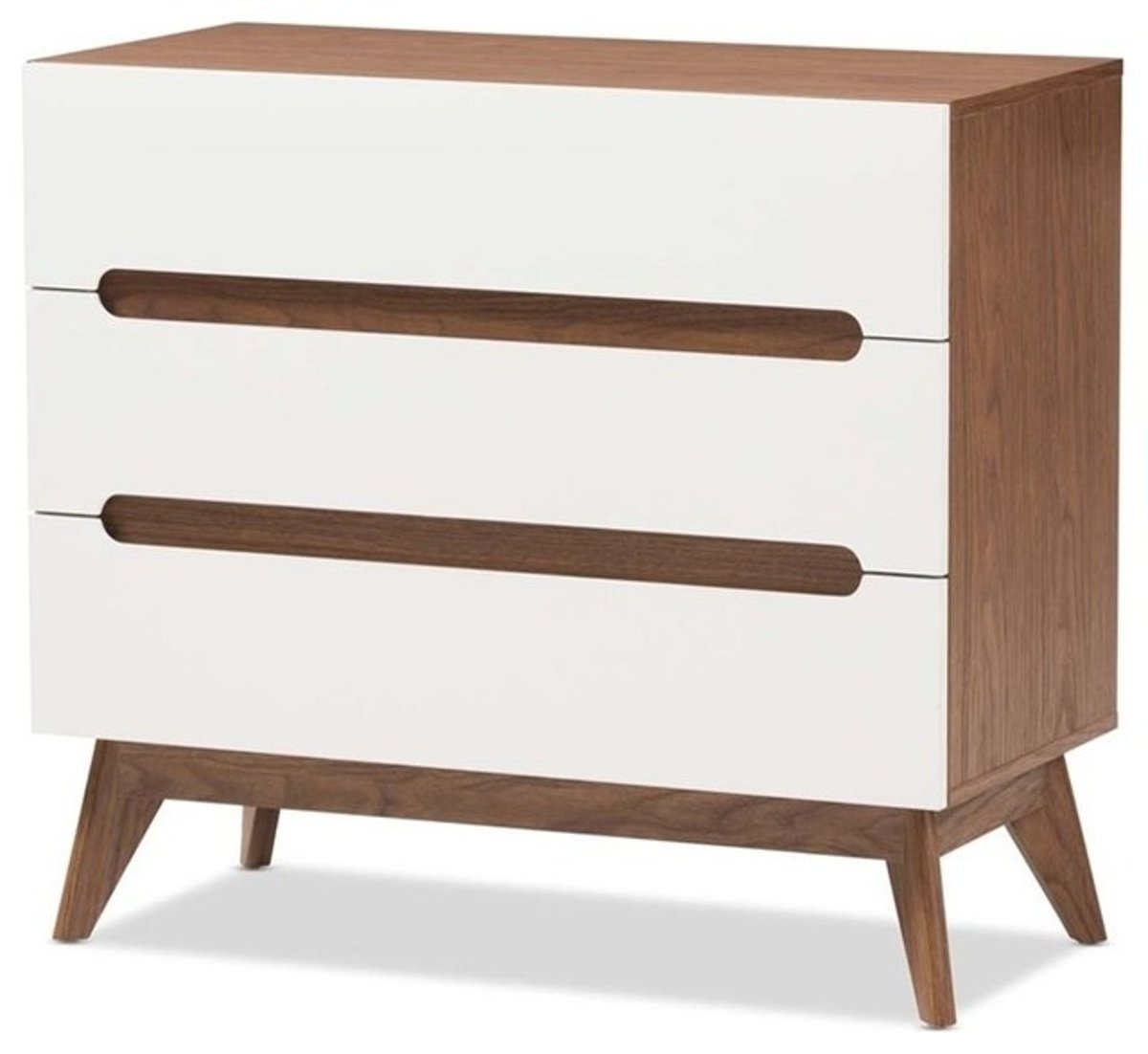 Accent Chests & Cabinets
 The Artisan Craftsmanship Behind Hawthorne Collections White/Walnut Chests
 Accent Chests & Cabinets
 Curved Design Elements in Contemporary Furniture Trends
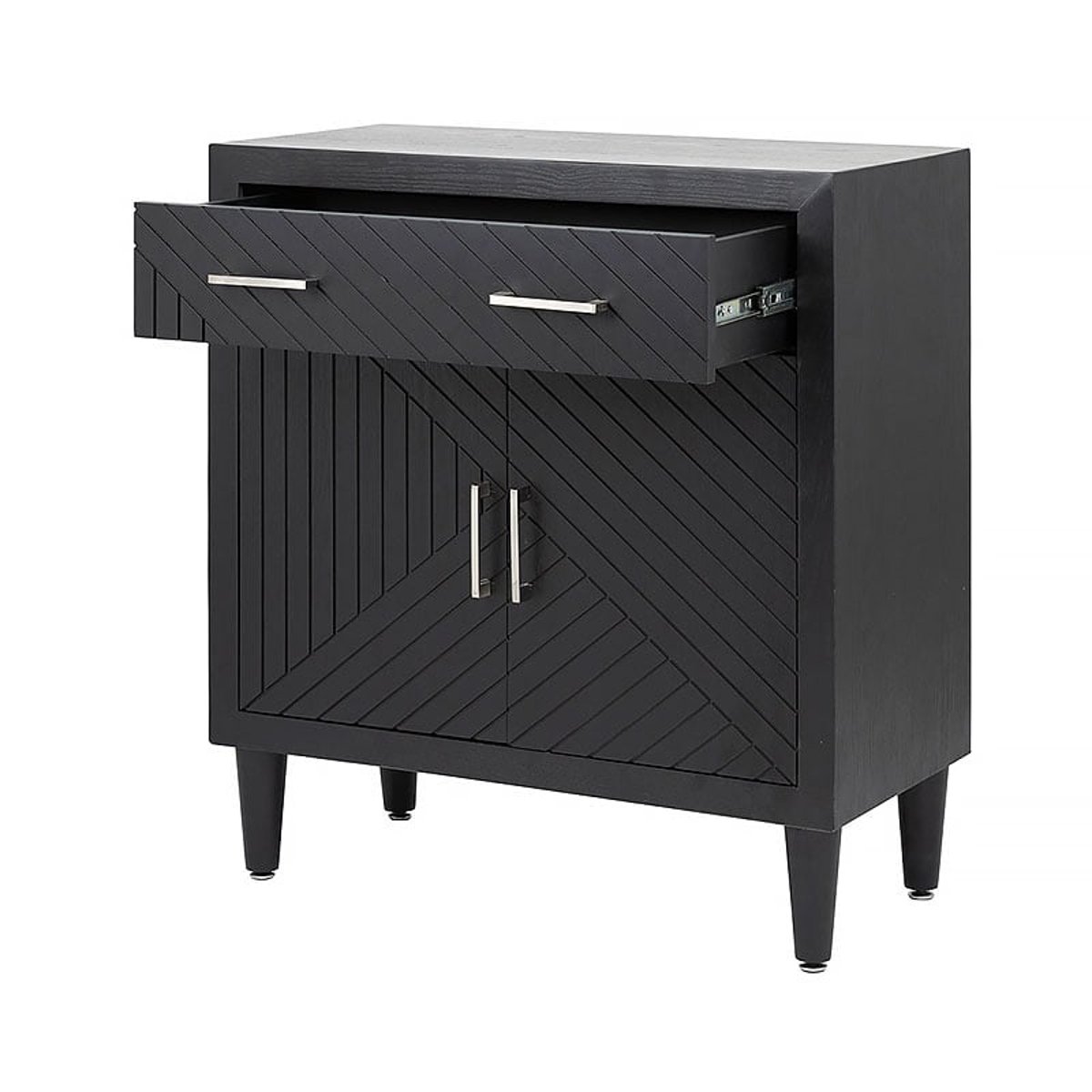 Accent Chests & Cabinets
 Choosing the Right 1 Drawer 2 Door Cabinet for Your Specific Needs
 Accent Chests & Cabinets