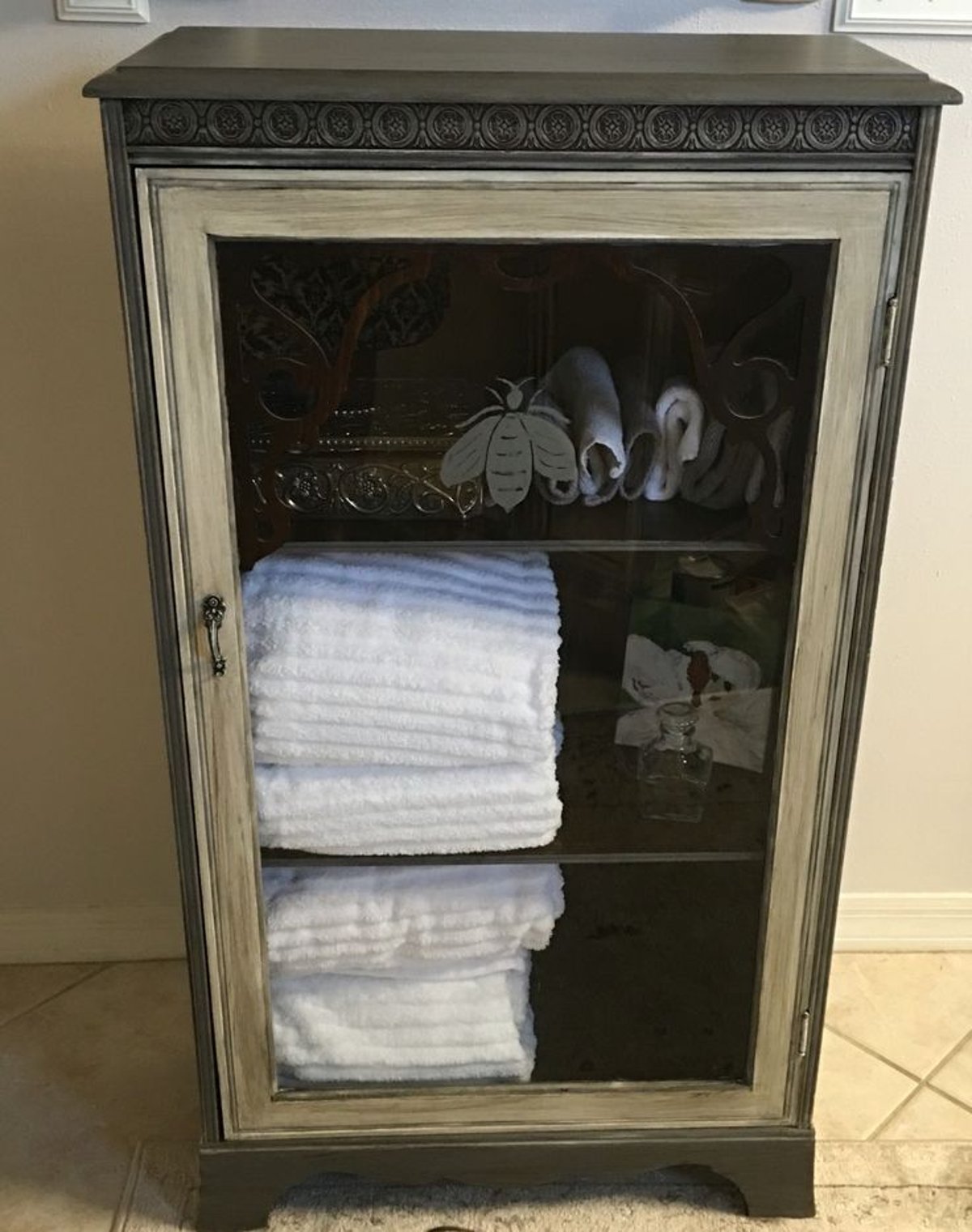
There's something undeniably captivating about vintage furniture. It carries stories, whispers of past eras, and a certain charm that mass-produced items often lack. But what happens when that charm starts to fade, or the existing finish just doesn't suit your current style? That's where the transformative power of paint comes in, and when you combine the depth of black with the opulence of gold, you create a look that's both sophisticated and eye-catching. It’s a pairing that’s been used for centuries to denote luxury and elegance, and it’s making a huge comeback in home decor. Ready to breathe new life into those forgotten treasures. Let's dive in.
You've probably stumbled upon a gem at a flea market or inherited a piece from a relative that’s seen better days. Maybe it’s a sturdy dresser with intricate carvings, a classic armchair, or a quaint side table. These items have character, but their current state might be a little… drab. Instead of letting them gather dust, consider the incredible potential they hold with a fresh coat of paint. Specifically, the combination of black and gold offers a dramatic and elegant makeover. It’s not just about covering up flaws; it’s about highlighting the piece’s inherent beauty and giving it a modern, luxurious feel. Think of it as a sophisticated facelift for your furniture. This approach is surprisingly accessible, even for those who might not consider themselves artistic. With the right techniques and a little patience, you can achieve professional-looking results that will make your furniture a true statement piece. So, let’s explore how to achieve this stunning transformation.
Choosing Your Black Paint: The Foundation of Elegance
When you're aiming for a sophisticated look, the right black paint is crucial. It’s not just black; there are nuances. Do you want a deep, matte black that absorbs light and creates a velvety finish, or a satin black that offers a subtle sheen and is a bit easier to clean. For vintage pieces, especially those with detailed woodwork, a matte or satin finish often works best as it doesn't distract from the form and texture of the furniture. Consider chalk paint for its easy application and beautiful matte finish, or a good quality acrylic enamel for durability. Always ensure your paint is suitable for furniture; it needs to withstand wear and tear. A primer is usually a good idea, especially if the original finish is dark or glossy, as it helps the black coat adhere better and provides a more uniform base. This initial layer is the canvas for your golden accents, so getting it right sets the stage for the entire project.
Introducing Gold: Accents That Dazzle
This is where the magic truly happens. Gold can be applied in various ways to achieve different effects. For a touch of subtle luxury, consider using gold gilding wax. It’s easy to apply with a soft cloth or brush and can be buffed to a beautiful sheen. You can highlight carved details, edges, or even the hardware. For a bolder statement, metallic gold spray paint or craft paint can be used. You might paint the entire drawer fronts, the legs, or create geometric patterns. Think about the style of the furniture and the look you’re going for. A French provincial dresser might benefit from delicate gold scrollwork, while a mid-century modern table could rock clean gold stripes. Metallic gold paints come in various shades too – from warm antique gold to bright, shimmering gold. Experiment with small areas first to see which shade and application method you prefer. Remember, less can often be more; you want the gold to enhance, not overwhelm, the black base.
Techniques for a Professional Finish
Achieving a polished look involves a few key techniques. For smooth coverage with your black paint, use a good quality paintbrush or a small foam roller. Apply thin, even coats, allowing each to dry completely before applying the next. Lightly sanding between coats with fine-grit sandpaper (around 220-grit) can help smooth out any imperfections and ensure a super-sleek finish. When applying gold accents, precision is key if you’re going for detailed work. Stencils are your best friend for consistent patterns. For freehand highlights, a fine-tipped brush is essential. If you're using gilding wax, apply it sparingly and build up the color gradually. Don't be afraid to wipe away excess or mistakes while it's still wet. A clear topcoat, especially a polycrylic or a furniture-grade sealant, will protect your hard work and give it a lasting sheen. Choose a finish that complements your paint – a matte topcoat over matte black and gold accents can look incredibly chic.
Hardware: The Finishing Touch
Don't forget the hardware. The original knobs and pulls might be tarnished or simply not fit the new aesthetic. Replacing them can make a world of difference. Consider gold hardware that matches the shade you used for accents. Options range from classic brass knobs to more modern brushed gold pulls. If you love the shape of the existing hardware but not the finish, you can often spray paint them with a metallic gold or brass paint. Ensure you clean and prep them properly before painting, and use a good primer designed for metal. Sometimes, a simple swap of hardware can elevate the entire piece, tying the black and gold theme together seamlessly. It’s a small detail that has a significant impact on the final presentation of your revitalized furniture.
Inspiration and Ideas for Black and Gold
The possibilities are truly endless. Imagine a vintage vanity painted in a deep, velvety black with delicate gold leaf applied to the drawer fronts and legs. Or perhaps a sleek black console table with bold gold geometric patterns on the doors. An old wooden chest could be transformed into a statement piece with a black base and a striking gold stencil pattern across the lid. Even a simple side chair, painted black, can be given a touch of glamour with gold-painted legs and a subtle gold brushstroke on the backrest. Look at architectural details in old buildings or even nature for inspiration on patterns and placement. Pinterest and interior design blogs are fantastic resources for seeing how others have used this color combination. Don't be afraid to experiment and find what speaks to your personal style. The beauty of paint is that it’s forgiving, and you can always repaint if something isn’t quite right.
Caring for Your Newly Transformed Piece
Once your furniture is beautifully transformed, proper care will ensure its longevity and continued appeal. For pieces painted with chalk paint or matte finishes, a wax sealant is often recommended. This provides protection and a lovely subtle sheen. For acrylics or enamels, a polycrylic or polyurethane topcoat is a good choice. When cleaning, avoid harsh chemicals or abrasive scrubbers. A soft, damp cloth is usually sufficient for dusting and light cleaning. For spills, blot them immediately and use a mild soap solution if necessary, followed by a wipe with a clean, damp cloth. Understanding the type of paint and sealant you used will help you determine the best cleaning methods. By taking a little care, your black and gold masterpiece will remain a stunning focal point in your home for years to come.
There’s a unique satisfaction in taking something old and giving it a new lease on life, especially when the result is this stunning. Breathing new life into vintage furniture with black and gold paint isn't just a trend; it's a way to infuse your home with personality, elegance, and a touch of timeless glamour. Whether you’re drawn to subtle hints of gold or bold, dramatic statements, this versatile color pairing offers a world of creative potential. So, next time you see a piece of furniture that calls to you, don't be deterred by its current condition. With a little black paint, a dash of gold, and some careful application, you can create a truly magnificent piece that reflects your style and adds a touch of luxury to your living space. Happy painting.

Related Posts
 Accent Chests & Cabinets
 The Evolution of Sabanti Anywhere Cabinet in Modern Workspaces
 Accent Chests & Cabinets
 The Art of Functional Design in French Industrial Style Furniture
 Accent Chests & Cabinets
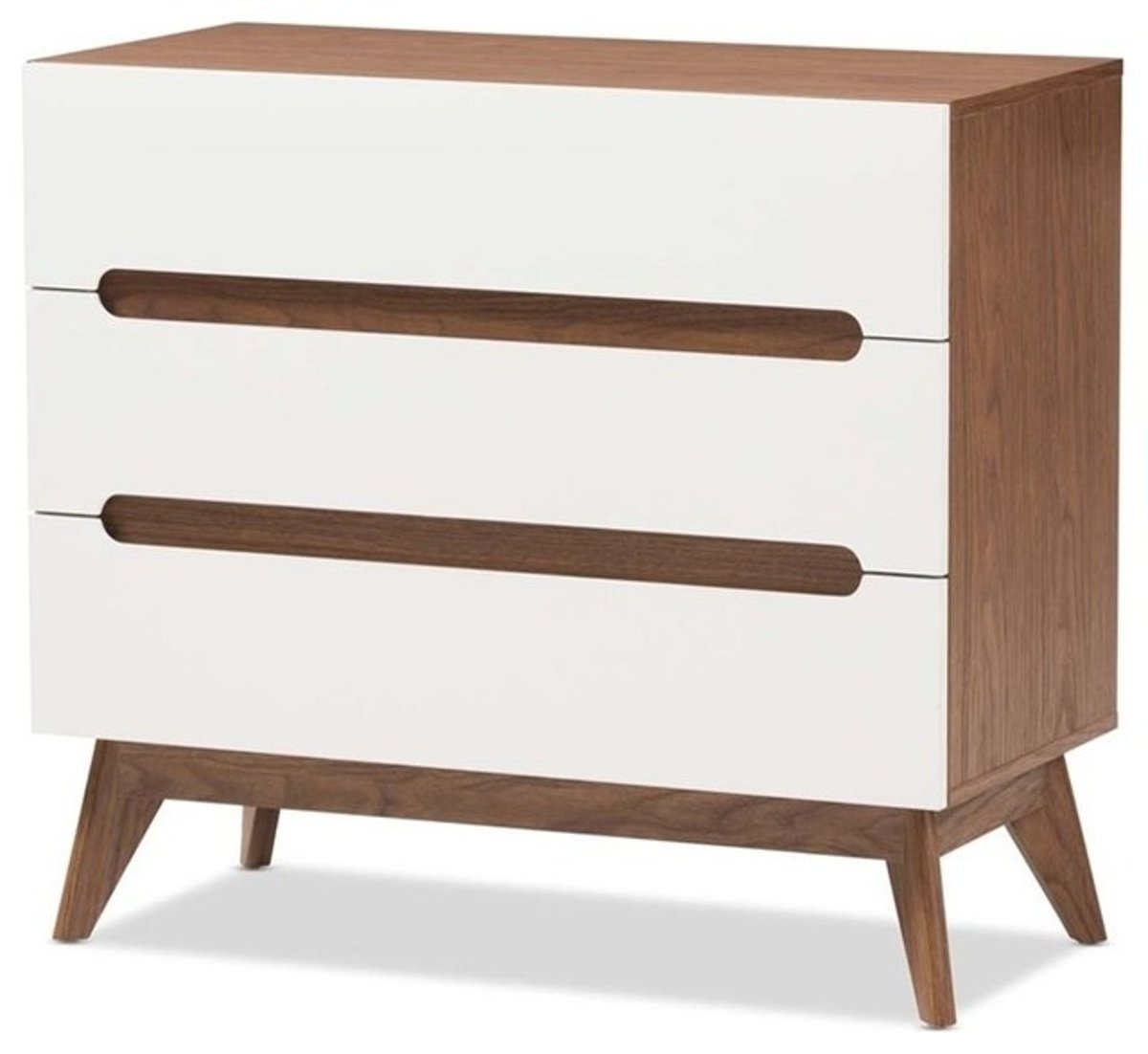
 The Artisan Craftsmanship Behind Hawthorne Collections White/Walnut Chests
 Accent Chests & Cabinets
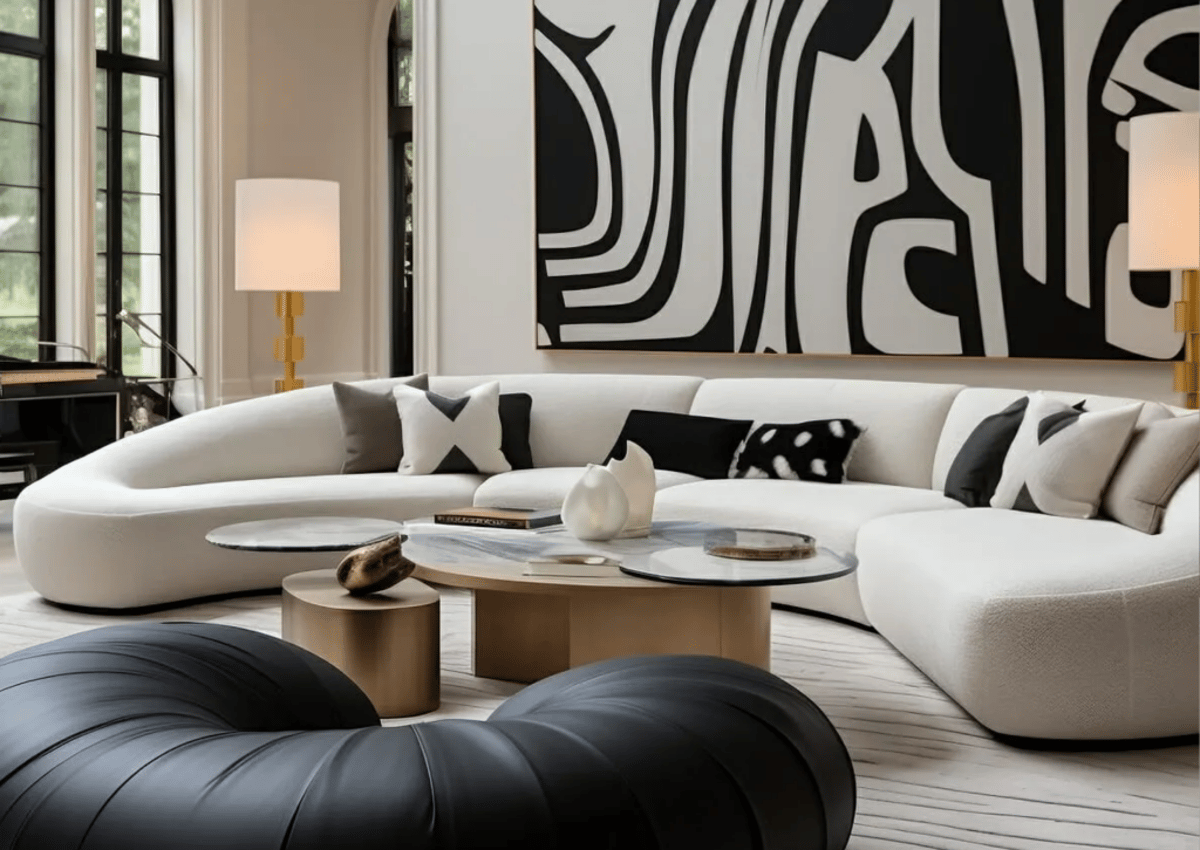
 Curved Design Elements in Contemporary Furniture Trends
 Accent Chests & Cabinets
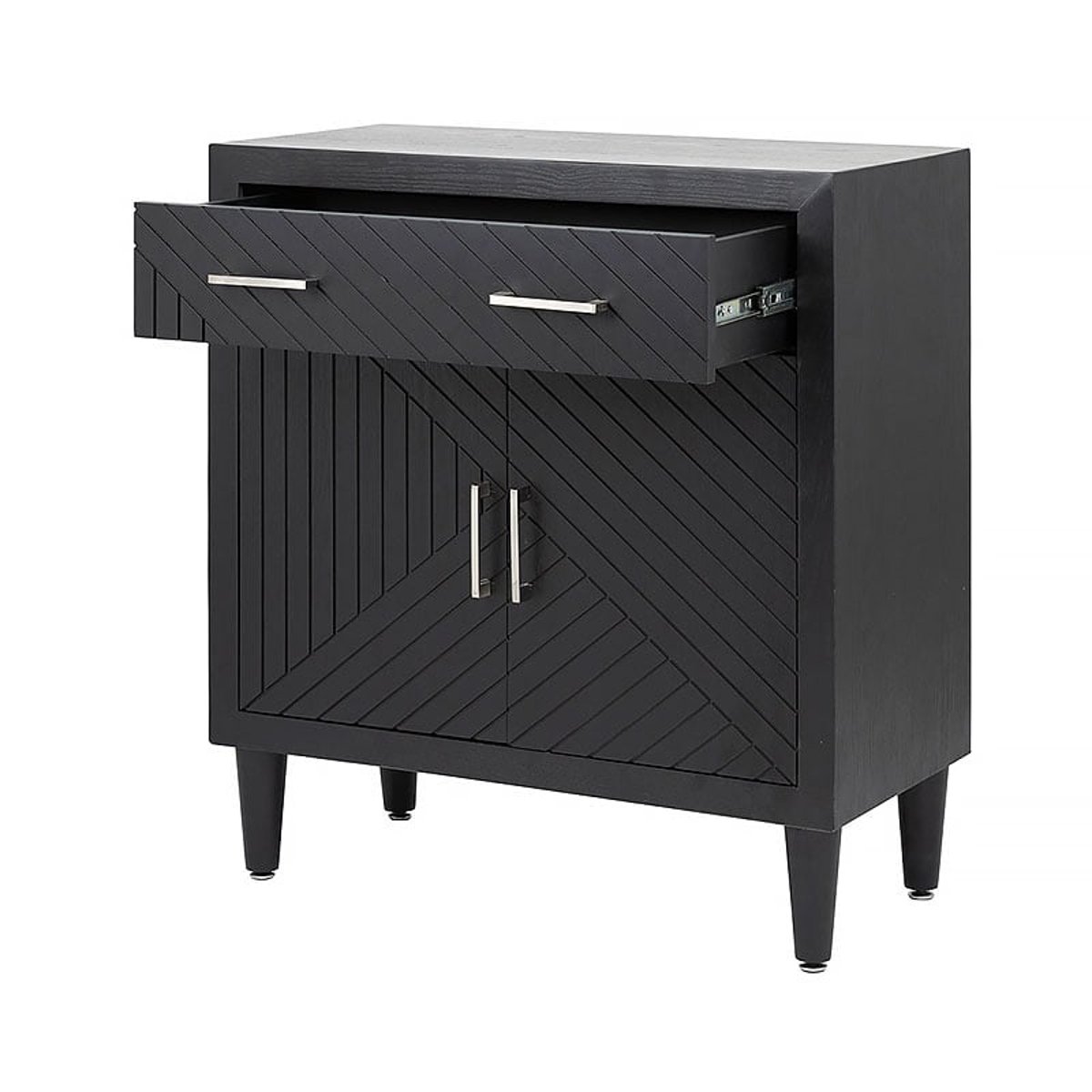
 Choosing the Right 1 Drawer 2 Door Cabinet for Your Specific Needs
 Accent Chests & Cabinets