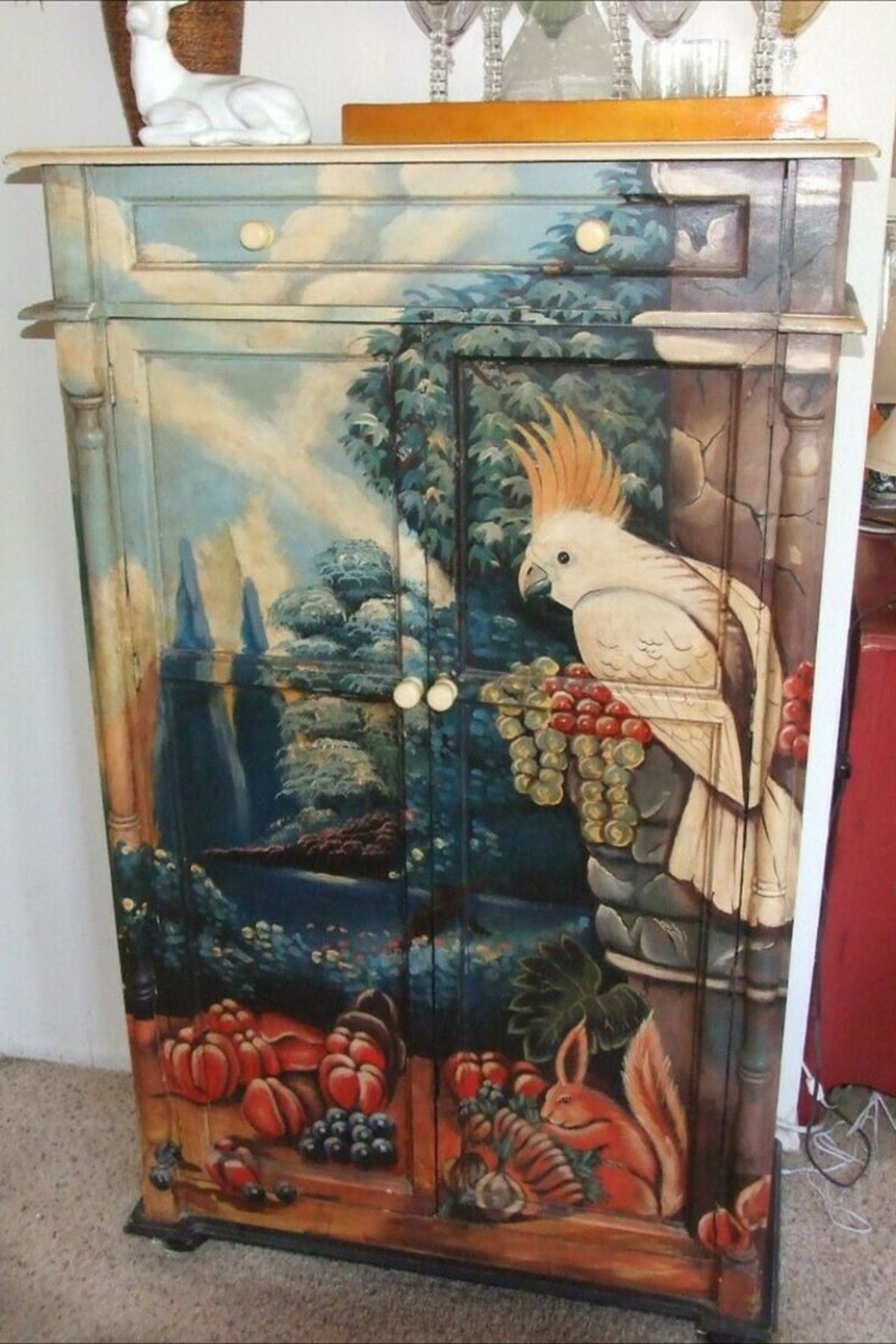
When you look at a beautifully crafted vintage cabinet reproduction, it's easy to be drawn in by its aesthetic appeal. But have you ever stopped to wonder what goes into making a piece that feels so authentically old, yet brand new? It’s a fascinating blend of traditional craftsmanship and a deep understanding of historical styles. These aren't just copies; they're tributes, each imbued with a story told through the very hands that shaped them. Let's delve into the artistry that makes these reproductions so special.
Vintage cabinet reproductions capture the essence of bygone eras, bringing a touch of history and elegance into our modern homes. But what truly sets them apart from mass-produced furniture? It’s the dedication to preserving and employing the very artistic techniques that were once commonplace. These methods, often passed down through generations, are what give each reproduction its unique character, its soul, if you will. From the minute details of the joinery to the final finish, there’s a deliberate artistry at play. Understanding these techniques not only deepens our appreciation for these pieces but also helps us identify and value true craftsmanship when we see it. So, let’s embark on a journey to uncover the secrets behind these captivating creations.
The Foundation: Wood Selection and Preparation
The journey of a vintage cabinet reproduction begins long before any tools touch wood. It starts with careful selection. Artisans often opt for solid woods that were prevalent during the periods they’re emulating, such as oak, mahogany, or walnut. The grain and density of the wood are crucial, not just for durability but for how it will accept finishes and carving. Think about it: the same carving would look and feel different on a soft pine versus a dense maple. Preparation is also key. Wood is seasoned and treated to prevent warping and cracking, ensuring the reproduction stands the test of time just like its antique predecessors. Sometimes, reclaimed wood is even used, adding an extra layer of authenticity and a story all its own.
Mastering the Carving: From Sketch to Sculpture
Wood carving is perhaps the most visually striking technique. Many vintage reproductions feature intricate carvings – floral motifs, scrollwork, or even figurative elements. Unlike modern CNC machines that can mass-produce identical patterns, traditional carving relies on the skill and artistry of the craftsperson. Each curve, each detail is painstakingly shaped by hand using chisels, gouges, and mallets. It’s a process that requires immense patience and a keen eye for detail. You can often spot hand-carved details by the subtle variations and the slight imperfections that give the piece a unique, organic feel. A truly skilled carver can make the wood seem to flow and come alive, mirroring the artistry of centuries past.
Joinery: The Unseen Strength and Beauty
While not always visible, the joinery techniques used in vintage cabinet reproductions are a testament to the skill of the maker. Traditional methods like dovetail joints, mortise and tenon joints, and biscuit joints are favored. Dovetail joints, with their interlocking 'tails' and 'pins,' are particularly iconic and incredibly strong, often seen in drawers. These aren't just functional; they're beautiful in their own right, showcasing the precision and care taken in assembly. The absence of visible screws or modern fasteners contributes to the authentic vintage look. It’s this attention to how the pieces fit together that ensures both structural integrity and aesthetic continuity with original pieces.
Finishing Touches: Patination and Surface Treatments
The finish is where a reproduction truly begins to feel like an antique. Artisans employ various techniques to mimic the mellowing effects of age. Patination, for instance, involves applying waxes, oils, or stains to create depth and a soft sheen. Rubbing and distressing techniques might be used to simulate wear and tear in areas that would naturally show age, like edges or handles. Sometimes, multiple layers of finish are applied, with each layer being partially removed or 'distressed' to create a rich, aged patina. Think of that warm, slightly worn look you see on a much-loved antique – achieving that requires a delicate hand and a deep understanding of how finishes age over time. It’s a subtle art, but it makes a world of difference.
Hardware and Embellishments: The Devil's in the Details
The small details often complete the illusion. Hinges, handles, escutcheons (the decorative plates around keyholes), and decorative moldings are crucial. Reproductions often feature hardware that is cast or hand-forged to replicate original designs. Finishes like brass, iron, or pewter might be treated to look aged, perhaps with a light darkening or a brushed texture. Even the type of screws used can be important – slotted screws, for example, are often preferred over modern Phillips heads. These elements, while small, are vital in maintaining the historical accuracy and the overall aesthetic integrity of the reproduction. They are the finishing jewels that tie the entire piece together.
The Human Element: Imperfection as Perfection
Perhaps the most significant artistic technique is the inclusion of the 'human element.' Unlike machine-made items that are perfectly uniform, hand-crafted pieces possess subtle variations. A slight difference in the depth of a carving, a subtle variation in stain color, or the natural irregularities in wood grain all contribute to the piece’s unique identity. These are not flaws; they are the hallmarks of true craftsmanship. They are what make each reproduction distinct and give it a sense of life and character that perfectly uniform, factory-made items simply can't replicate. It's the subtle imperfections that whisper of the hands that shaped them, connecting us to a tradition of skilled labor and artistry.
So, the next time you encounter a vintage cabinet reproduction, take a closer look. Appreciate the hours of skilled labor, the careful selection of materials, and the multitude of artistic techniques that went into its creation. From the precision of the joinery to the depth of the hand-carved details and the subtle artistry of the aged finish, these pieces are more than just furniture. They are functional works of art that carry the echoes of history. By understanding and valuing these techniques, we not only surround ourselves with beautiful objects but also help keep alive the traditions of exceptional craftsmanship for generations to come. It’s a beautiful way to bring a piece of the past into our present.
Related Posts
 Accent Chests & Cabinets
 The Evolution of Sabanti Anywhere Cabinet in Modern Workspaces
 Accent Chests & Cabinets
 The Art of Functional Design in French Industrial Style Furniture
 Accent Chests & Cabinets
 The Artisan Craftsmanship Behind Hawthorne Collections White/Walnut Chests
 Accent Chests & Cabinets
 Curved Design Elements in Contemporary Furniture Trends
 Accent Chests & Cabinets
 Choosing the Right 1 Drawer 2 Door Cabinet for Your Specific Needs
 Accent Chests & Cabinets