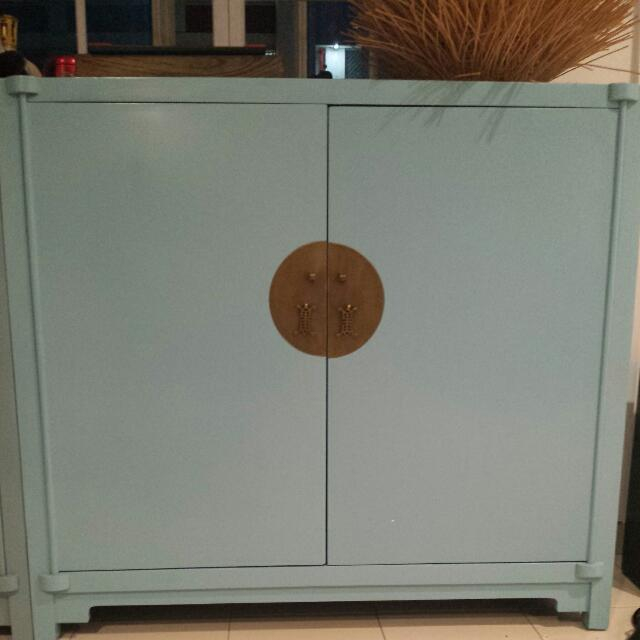
For centuries, Oriental cabinet carvings have offered more than mere adornment for our homes or places of business. They are, in essence, intricate storybooks, painstakingly crafted from wood, each curve and chiseled detail a word, a phrase, or even an entire chapter of ancient wisdom, cultural beliefs, and historical events. As a long-time devotee and scholar of this fascinating art form, I've had the immense privilege of spending countless hours in the company of these silent narrators, learning to discern the profound meanings they hold. It's a journey into history, philosophy, and the very soul of a people, all encapsulated within the sturdy confines of a beautifully carved cabinet. And it's not nearly as complicated as it sounds; with a bit of guidance, anyone can begin to grasp these profound messages.
Imagine a piece of furniture that has witnessed generations, absorbed countless conversations, and held within its wooden embrace not just possessions, but also the very essence of a culture. Oriental cabinets, particularly those adorned with elaborate carvings, are precisely that. They are not simply functional items; they are profound artistic and historical documents. My extensive work in this field, spanning decades, has taught me that appreciating these pieces goes far beyond admiring their aesthetic beauty. It involves a deep dive into the symbolism, mythology, and historical context that gave birth to their intricate designs. To truly 'see' these carvings is to embark on a captivating expedition into the heart of Eastern thought and artistic expression. It's about understanding why a certain flower appears here, or why a particular animal is depicted there – each element is a deliberate choice, intended to convey a specific message or feeling.
The Language of Symbols: Decoding Common Motifs
One of the most foundational aspects of interpreting Oriental cabinet carvings is understanding the rich lexicon of symbols employed by the artisans. These aren't just random decorations; they are deliberate visual cues, each carrying layers of meaning. For example, the dragon, a ubiquitous figure in Chinese art, is not a creature of destruction as often portrayed in Western lore. Quite the contrary. In the East, the dragon symbolizes power, good fortune, imperial authority, and the benevolent forces of nature. Seeing a five-clawed dragon on a cabinet usually indicates a connection to imperial patronage, while a four-clawed dragon might represent a high-ranking official. Another common motif is the phoenix, which embodies grace, renewal, and the Empress. Pairing the dragon and phoenix together signifies marital bliss and harmony. Then there are the 'Four Gentlemen' – the plum blossom, orchid, bamboo, and chrysanthemum – each representing noble qualities like resilience, purity, integrity, and perseverance, respectively. Even seemingly simple elements like clouds or waves have symbolic weight, often signifying good fortune, transformation, or the flow of life. It truly is a language, and once you start to learn the 'words,' the conversations these cabinets offer become incredibly rich. I recall one particularly exquisite Qing Dynasty cabinet where a continuous band of bats, 'fu' in Chinese, was carved around the base. This wasn't merely decorative. 'Fu' is a homophone for 'good fortune,' so the carver was literally embedding a wish for prosperity into the very structure of the furniture. Such cleverness is commonplace and just another layer of the artistry.
Mythology and Folklore: Narratives Etched in Wood
Beyond individual symbols, many Oriental cabinet carvings illustrate complete mythological scenes or episodes from well-known folktales. These narratives often served not just as entertainment, but also as moral lessons or historical records. Consider, for instance, carvings depicting the 'Eight Immortals' – a revered group of Taoist deities. Each immortal has their own distinctive attributes and stories, and their presence on a cabinet suggests blessings of longevity, prosperity, and wisdom. You might see scenes from 'Journey to the West,' with the mischievous Monkey King, or depictions of historical battles and famous literary figures. These aren't just pretty pictures; they are visual excerpts from the cultural canon. To truly appreciate them, one needs a basic familiarity with these traditional stories. Imagine finding a carving of Chang'e flying to the moon. This isn't just a woman in the sky; it's the beloved Chinese myth of the moon goddess, a tale of love, sacrifice, and immortality, often associated with the Mid-Autumn Festival. When you spot such a scene, the cabinet instantly transforms from a piece of furniture into a portal to ancient legends. I once stumbled upon a cabinet, somewhat worn, that depicted what seemed to be a series of scholars in a bamboo grove. Upon closer inspection, and consulting my reference texts, it became clear it was a representation of the 'Seven Sages of the Bamboo Grove,' a group of reclusive scholars from the 3rd century who eschewed official life for intellectual and artistic pursuits. This wasn't just decoration; it was a philosophical statement, a quiet nod to intellectual freedom and camaraderie.
The Influence of Philosophy and Religion: Taoist, Buddhist, and Confucian Themes
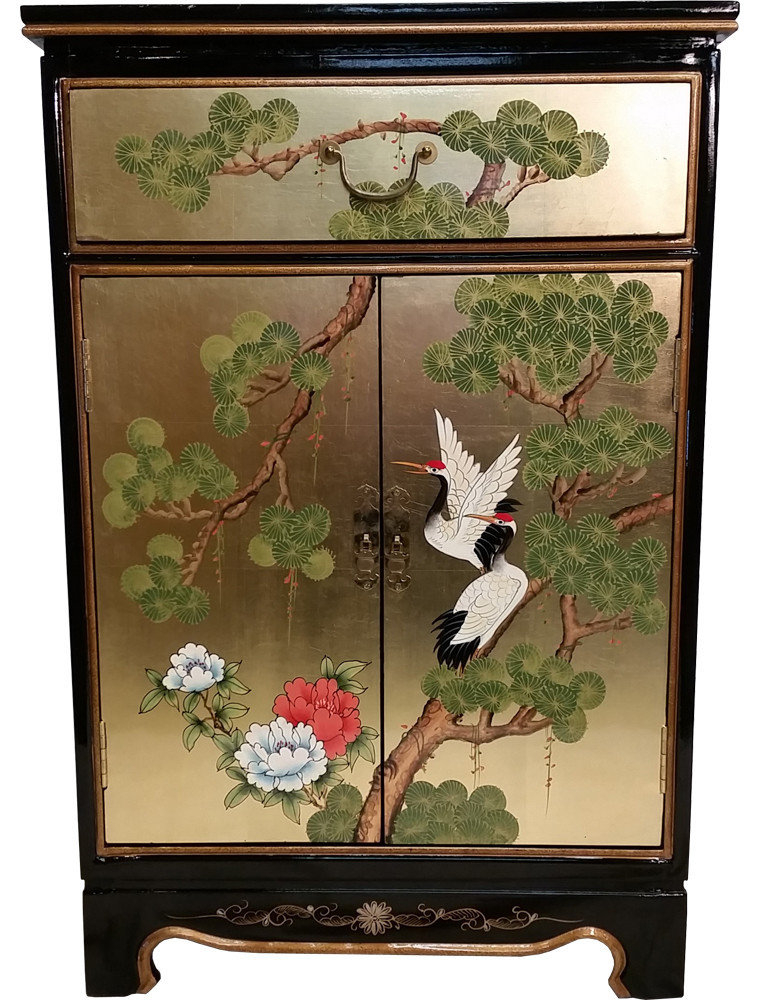
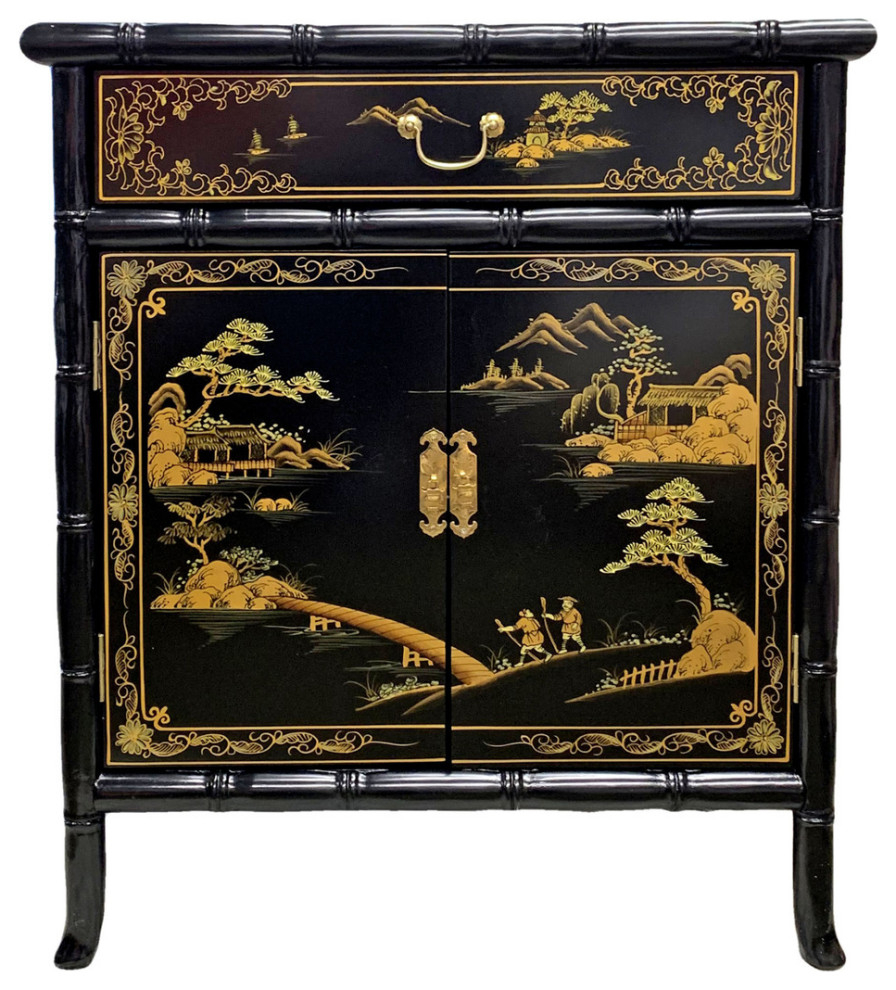
The philosophical and religious underpinnings of Eastern cultures profoundly shaped the motifs and narratives found in cabinet carvings. Taoism, with its emphasis on harmony with nature and immortality, frequently inspires depictions of mystical landscapes, cranes (symbols of longevity), and scenes of reclusive scholars. Buddhist influences are evident in carvings of lotus flowers (purity), Buddhas, bodhisattvas, or scenes from jataka tales (stories of the Buddha's previous lives). Confucianism, which stresses social harmony, filial piety, and good governance, often manifests in scenes of scholars, family life, or historical events that exemplify virtuous conduct. It's not uncommon to find a cabinet that subtly weaves together elements from all three, reflecting the syncretic nature of belief systems in many parts of Asia. For example, a carving might show a scholar (Confucian ideal) meditating in a serene landscape (Taoist influence) with a lotus flower nearby (Buddhist symbol). Understanding these foundational philosophies helps us grasp the deeper messages the artisans intended to convey. It's not just about what is carved, but the underlying worldview it represents. A humble depiction of a fishing boat on a tranquil lake might, in a Taoist context, symbolize the simple life, contentment, and a connection to nature's rhythms. These are profound and beautiful ideas, often conveyed with remarkable subtlety.
Historical Context and Regional Variations: A Time and Place for Every Story
The meaning of a carving can also be heavily influenced by its historical period and geographical origin. A cabinet from the Ming Dynasty (1368-1644) might feature more austere and classical designs, often with symbolic animals like the qilin (a mythical beast signifying good omen). Qing Dynasty (1644-1912) carvings, on the other hand, tend to be more elaborate, with denser ornamentation and a wider array of narrative scenes. Regional variations are also crucial. A cabinet from Fujian province, known for its intricate woodcarving traditions, might differ significantly in style and preferred motifs from one originating in Guangdong or Zhejiang. The wood itself can offer clues – zitan, huanghuali, and jichimu were highly prized and often reserved for imperial or elite patrons, hinting at the status of the original owner and the significance of the carvings. Examining the tools marks, the depth of the relief, and the overall style can often help pinpoint the period and region, adding another layer to the interpretation. It's like forensic art history, truly. For instance, the very distinct 'Lingnan' style from Guangdong often features deeply carved, almost three-dimensional scenes, sometimes painted, showcasing local flora and fauna. This contrasts sharply with the more linear and restrained carvings found in certain Jiangsu pieces. Each region had its favorite stories and ways of telling them, a fascinating tapestry of local flavor and broad cultural themes.
Practical Tips for Deciphering Your Own Cabinet Carvings
So, how does one begin to 'read' their own Oriental cabinet? It's not as daunting as it seems! First, observe carefully. What animals, plants, or human figures do you see? Are there repeated motifs? Are the scenes narrative, or do they seem more symbolic? Second, consider the overall composition. Is it symmetrical or asymmetrical? Does it tell a story from left to right, or is it a collection of vignettes? Third, research. Use reliable sources – books on Chinese and East Asian art, museum websites, and academic papers – to look up the symbols and scenes you identify. Don't be afraid to take good quality photos and use image search tools, although these require careful verification. Fourth, think about the context. Where might this cabinet have been placed? What was its intended function? A cabinet for a scholar's study might have different carvings than one for a bridal chamber. Finally, embrace the journey! It's a continuous learning process, and every cabinet offers new insights. Don't worry about being perfect; the joy is in the discovery itself. I always recommend starting with the most prominent elements and then moving to the smaller, more intricate details. Sometimes, a tiny, almost hidden carving can unlock the meaning of an entire panel. It's like a puzzle, and each piece you identify brings the whole picture into clearer focus. And don't forget to look at the wood itself; its grain and color can sometimes enhance the narrative, becoming part of the story being told.
Beyond Aesthetics: The Enduring Legacy of Carved Cabinets
The enduring legacy of Oriental cabinet carvings lies not just in their exquisite craftsmanship or their aesthetic appeal, but in their capacity to transmit culture, history, and philosophy across generations. These wooden masterpieces are tangible links to a rich past, offering profound insights into the beliefs, values, and artistic sensibilities of the people who created and cherished them. They remind us that art is never just about beauty; it's a powerful medium for communication, a silent conversation between past and present. As an expert in this field, I find immense satisfaction in helping others unlock these hidden narratives. Each time someone learns to identify a dragon or a phoenix, or recognizes a scene from a classic tale, they're not just gaining knowledge; they're connecting with a piece of humanity's shared heritage. It's a truly enriching experience, one that transforms a mere piece of furniture into a priceless artifact of storytelling. These cabinets are guardians of lore, and by learning to read their tales, we ensure those stories continue to resonate for centuries to come. They are robust testaments to human ingenuity and the timeless desire to imbue objects with meaning beyond their utility.
In conclusion, Oriental cabinet carvings are far more than decorative elements; they are intricate tapestries woven from wood, rich with symbolism, mythological narratives, and deep philosophical underpinnings. The art of interpreting these masterpieces is a rewarding journey, one that requires a blend of keen observation, historical awareness, and an appreciation for the profound cultural context from which they emerged. By understanding the language of symbols, recognizing common mythological themes, and appreciating the influence of philosophical and religious thought, we can unlock the silent stories these cabinets have been preserving for centuries. Each carving is a testament to the artisan's skill and the cultural values of their time, offering a unique window into the heart and mind of Eastern civilizations. As you encounter these magnificent pieces, remember that you're not just looking at furniture; you're engaging in a profound dialogue with history, art, and the enduring power of storytelling. It’s a conversation that continues, one intricate carving at a time. And the more you look, the more these beautiful objects will speak to you.