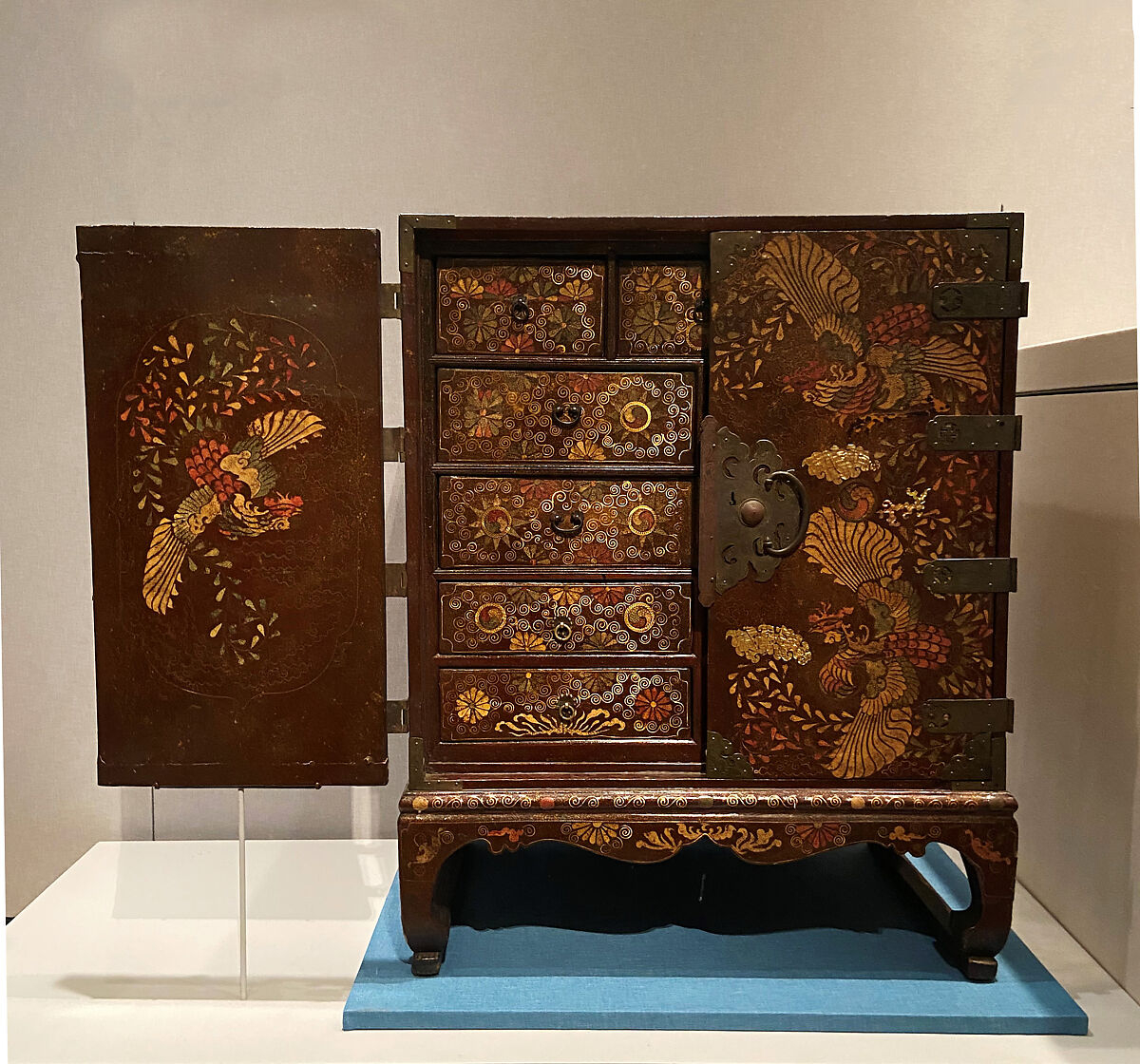
For centuries, lacquer ware cabinetry has been more than just functional pieces; they are profound canvases of artistic expression, embodying rich cultural narratives and incredible craftsmanship. As someone who has spent decades immersed in the world of traditional lacquer, I can tell you that each cabinet holds a story, a whisper of the hands that shaped it and the era it emerged from. It's truly a fascinating journey to peel back the layers – sometimes literally – to understand the deep meaning behind these magnificent creations.
When we talk about traditional lacquer ware cabinetry, we're not just discussing a storage solution. We're delving into an art form that has spanned millennia, an intricate blend of material science, artistic vision, and cultural heritage. From the sap of the lacquer tree to the meticulous application of countless layers, each step in the creation of these cabinets is imbued with purpose and symbolism. My goal here is to help you see beyond the surface, to appreciate the profound artistic expressions that are often hidden in plain sight, waiting to be deciphered by a keen eye and an open mind. It's a journey into history, technique, and the human spirit.
The Ancient Roots and Evolution of Lacquer Art
Lacquer art is truly ancient. We're talking about a practice that dates back thousands of years, with some of the earliest examples found in China from the Neolithic period. Imagine, artisans back then were already harnessing the unique properties of natural lacquer – the sap of the Toxicodendron vernicifluum tree – to preserve and beautify objects. Over time, this art form spread across Asia, evolving distinct styles and techniques in countries like Japan, Korea, Vietnam, and even parts of Southeast Asia. Each region developed its own unique 'flavour,' if you will, incorporating local materials, cultural motifs, and philosophical perspectives into their lacquerware. It’s not just about durability; it’s about a tradition that has been passed down through generations, each adding their own touch but always respecting the core principles. Think about the incredible patience required; it's not a quick process, and that patience itself is part of the art.
Materials and Techniques: The Unsung Heroes of Expression
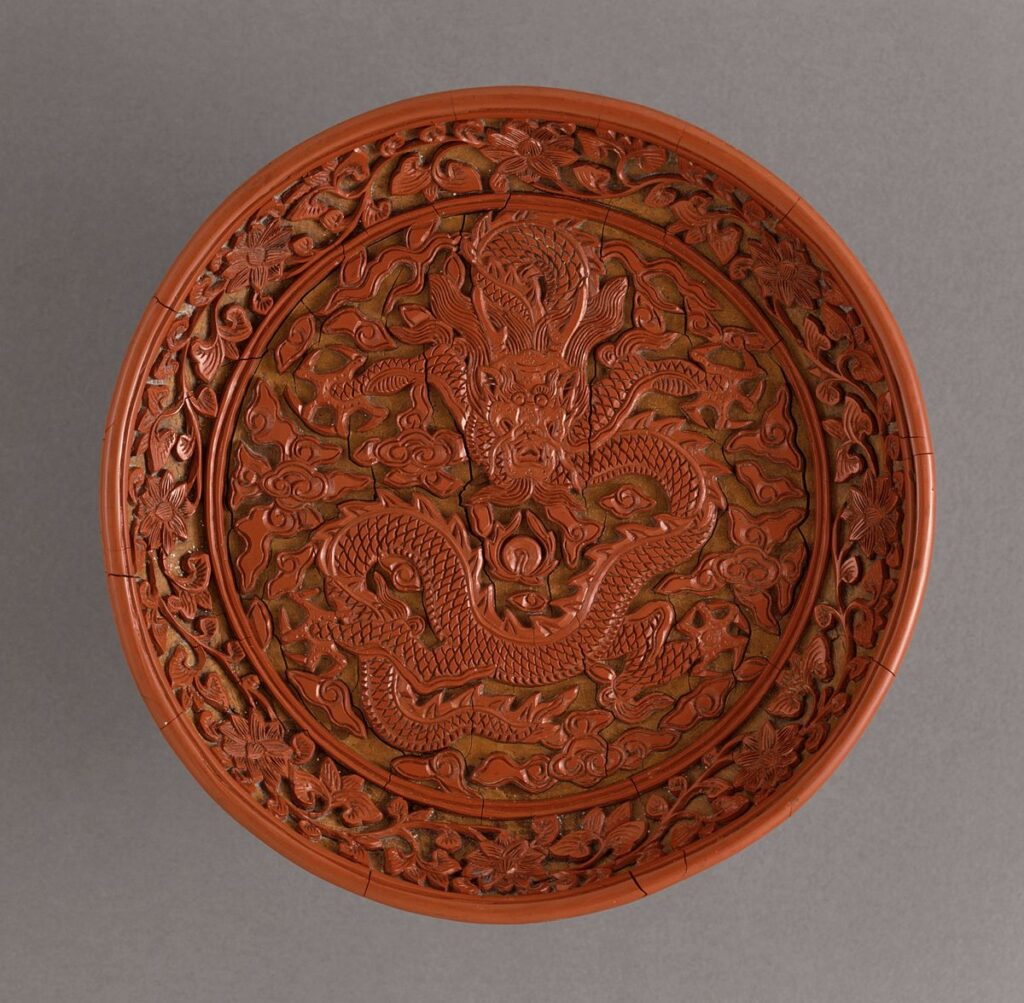
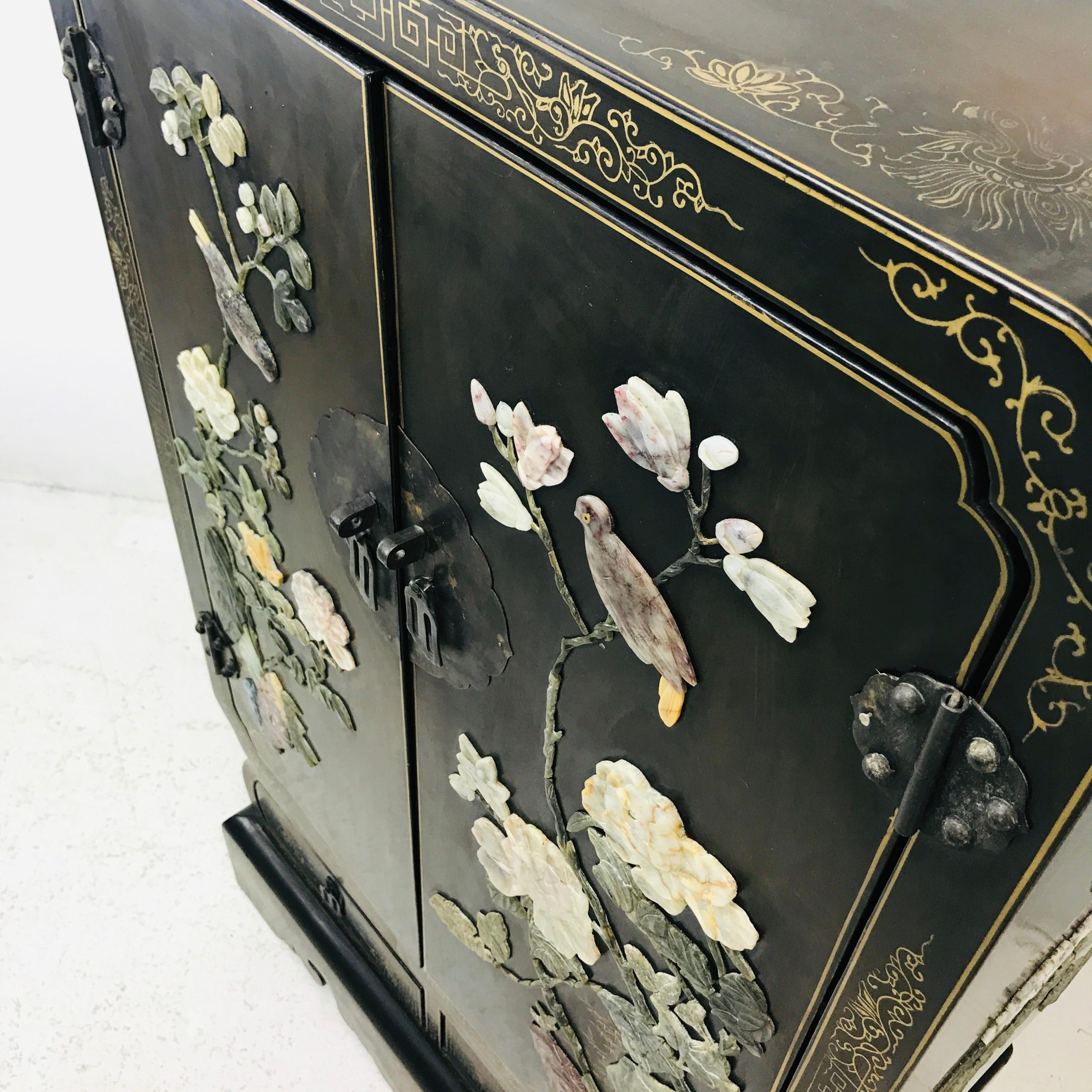
To truly appreciate the artistic expressions, you need to understand the fundamental building blocks: the materials and techniques. Natural lacquer, or 'urushi' in Japanese, is the star. It's an amazing substance – incredibly durable, water-resistant, and with a beautiful, deep luster. But it's also tricky to work with; it requires precise humidity and temperature conditions to cure properly. The application process itself is an art. We're talking about dozens, sometimes hundreds, of thin layers, each carefully applied and polished. This layering creates depth and translucency that simply can't be replicated with modern paints. Then there are the decorative techniques: maki-e (sprinkled gold or silver powder), raden (inlaid mother-of-pearl), chinkin (incised lines filled with gold), and qiangjin (carved and gilded lines), to name just a few. Each technique lends itself to a different type of artistic expression, from delicate, shimmering landscapes to bold, geometric patterns. The choice of technique isn't random; it's a deliberate artistic decision that contributes to the overall narrative of the piece. It’s like a painter choosing between oils or watercolors – each brings a different feel.
Symbolism and Iconography: Reading the Visual Language
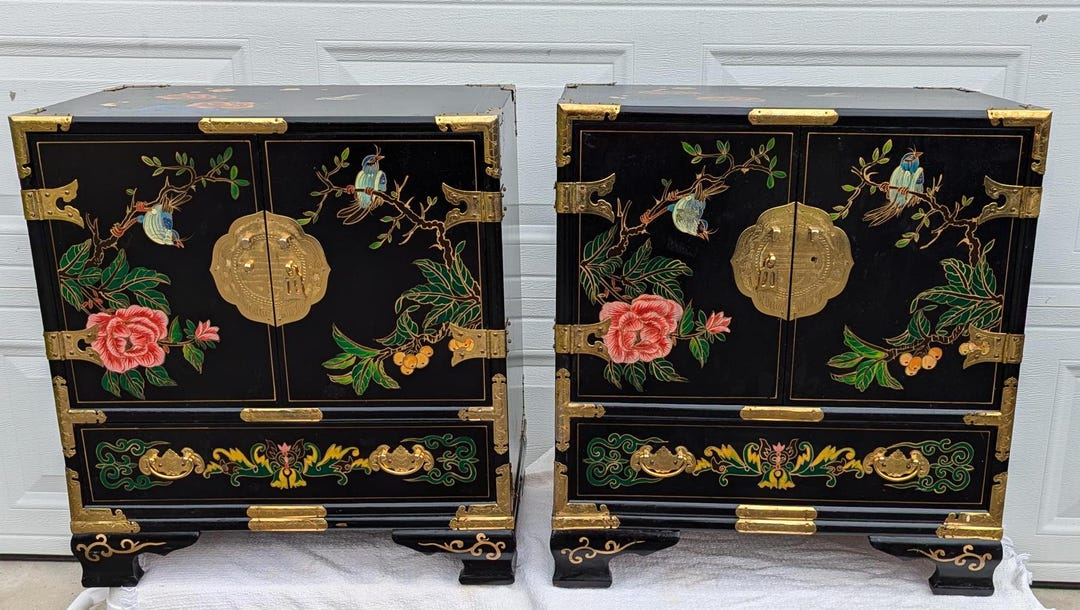
This is where it gets really exciting – decoding the visual language. Traditional lacquer ware cabinetry is often rich with symbolism, drawing from mythology, religion, literature, and everyday life. A dragon might represent power and good fortune in one culture, while a phoenix symbolizes rebirth and prosperity in another. Cranes often signify longevity, and bamboo strength and resilience. Flowers like chrysanthemums or peonies carry specific meanings related to nobility or wealth. Even the arrangement of these symbols, the composition of the scene, tells a story. For instance, a cabinet depicting the 'Eight Immortals' crossing the sea isn't just a pretty picture; it's a narrative of spiritual seeking and collective strength. Understanding these symbols is like having a key to unlock the deeper meaning of the artwork. It transforms a beautiful object into a profound cultural statement. Many pieces were commissioned for specific purposes, and the imagery would reflect the aspirations or status of the owner. It's a silent conversation between the artist, the patron, and eventually, us.
Cultural Narratives and Historical Context in Cabinetry
Every piece of traditional lacquer ware cabinetry is a snapshot of its time and place. The styles, motifs, and even the choice of materials often reflect prevailing cultural narratives, philosophical trends, and historical events. For example, during certain dynasties in China, imperial lacquerware would feature specific motifs reserved for the emperor, symbolizing his divine right to rule. In Japan, during the Edo period, the rise of the merchant class led to a demand for more decorative, yet still refined, lacquerware for their homes. The shift from purely religious or aristocratic patronage to a broader market influenced the designs and subject matter. A cabinet might depict scenes from a popular novel, a famous battle, or a serene landscape reflecting Taoist or Buddhist philosophies. By studying these pieces, we gain insights into the social structures, aesthetic preferences, and intellectual currents of past societies. It's like a time capsule, preserving the spirit of an era, and allowing us to connect with it. Sometimes, a single cabinet can tell you more about a period than a whole book.
The Artist's Hand: Individuality within Tradition
While traditional lacquer art often adheres to established forms and techniques, the artist's individual hand and creative spirit are undeniably present. Think of it like classical music – there's a structure, but each performer brings their unique interpretation. Master lacquer artists, through their subtle variations in brushwork, their unique interpretations of traditional motifs, or their innovative use of materials, infuse their personality into each piece. Some artists were known for their particularly delicate maki-e, others for their bold use of color, and some for their groundbreaking compositions. Even within a highly disciplined artistic tradition, there is ample room for personal expression and innovation. Recognizing the 'hand' of a particular master or a specific workshop adds another layer to the appreciation of these works. It’s about more than just technique; it's about the soul poured into the creation, the countless hours of dedication and refinement. It's a true labor of love, and you can feel it.
Preserving and Appreciating These Masterpieces Today
In our fast-paced, digitally driven world, taking the time to truly appreciate traditional lacquer ware cabinetry is more important than ever. These pieces are fragile treasures, vulnerable to changes in humidity, light, and improper handling. Conservation efforts are crucial to ensure these artistic expressions endure for future generations. As enthusiasts and collectors, our role extends beyond mere admiration; it involves understanding proper care, supporting skilled conservators, and advocating for the continued practice of these ancient arts. When you look at a piece of traditional lacquer, take a moment. Let your eyes wander over the intricate details, imagine the hands that created it, and think about the journey it has taken. It's an opportunity to connect with history, art, and the enduring human desire to create beauty. These aren't just objects; they are living testaments to human ingenuity and artistic spirit, and it's our privilege to decode their secrets.
Decoding the artistic expressions in traditional lacquer ware cabinetry is a journey of discovery. It’s about peeling back layers – not just of lacquer, but of history, technique, symbolism, and human ingenuity. Each cabinet is a silent storyteller, offering insights into ancient cultures, artistic practices, and philosophical beliefs. As a world-renowned expert in this field, I can attest to the profound satisfaction that comes from truly understanding these magnificent creations. They are more than just furniture; they are enduring masterpieces that continue to captivate and educate us, reminding us of the timeless power of art to communicate across centuries and cultures. So, next time you encounter a piece of traditional lacquer, remember that you're not just looking at an object; you're looking at a narrative, a piece of history, and a profound artistic statement waiting to be understood.