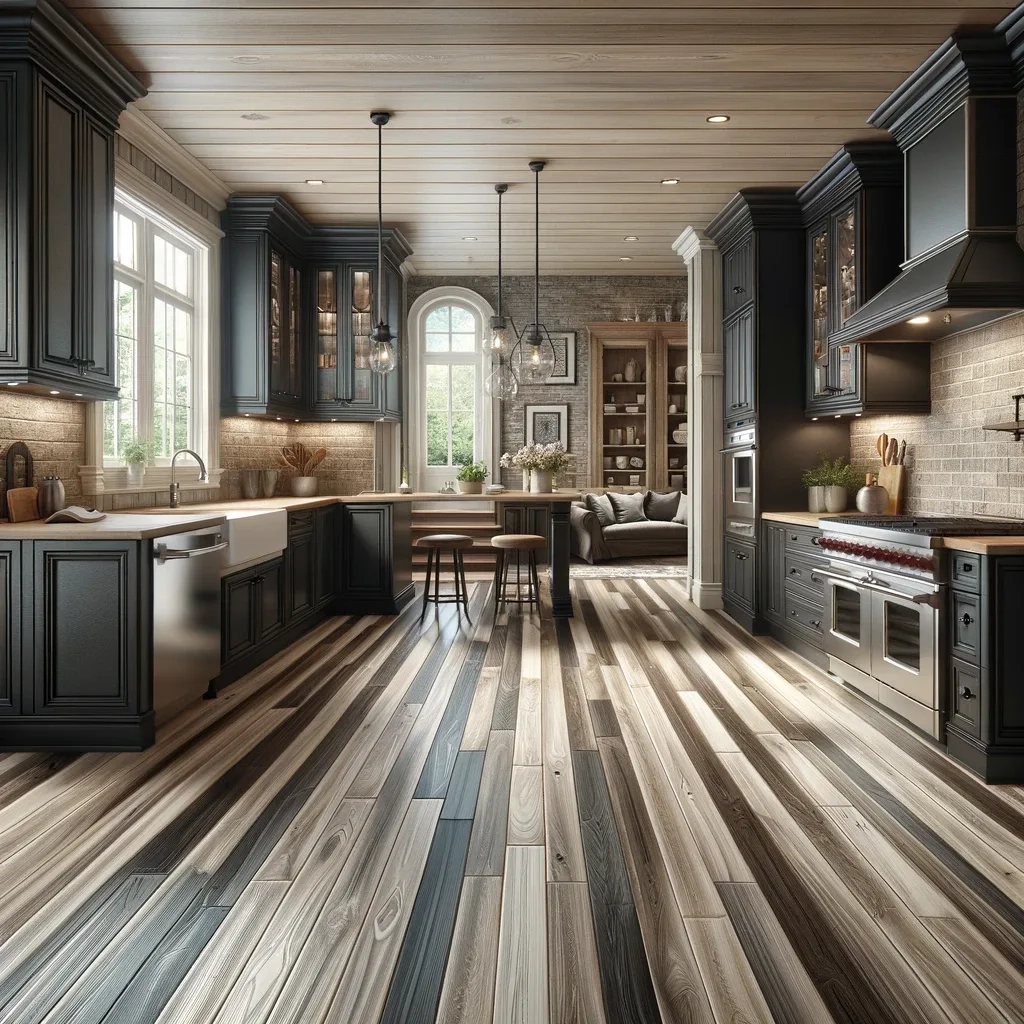
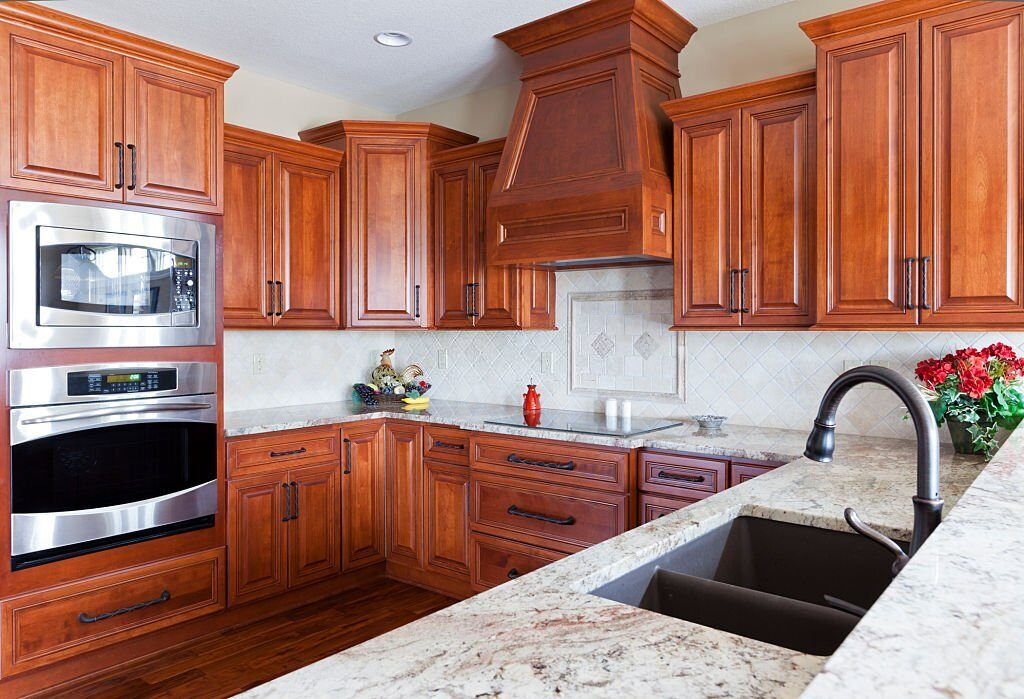
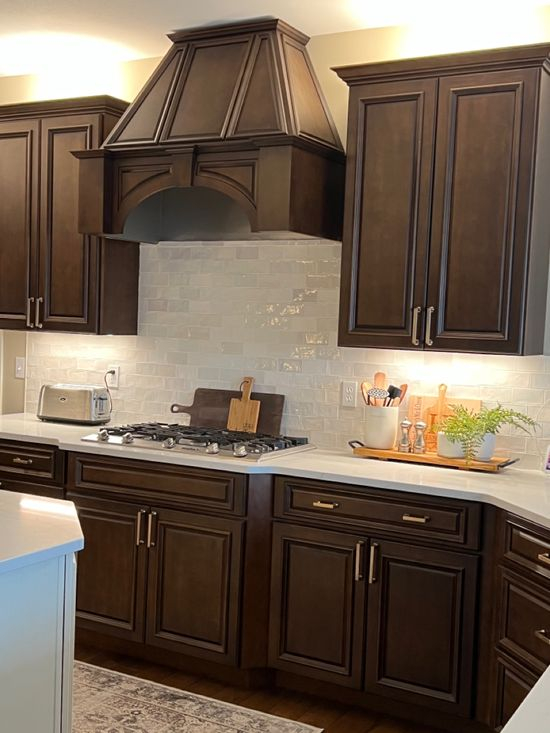
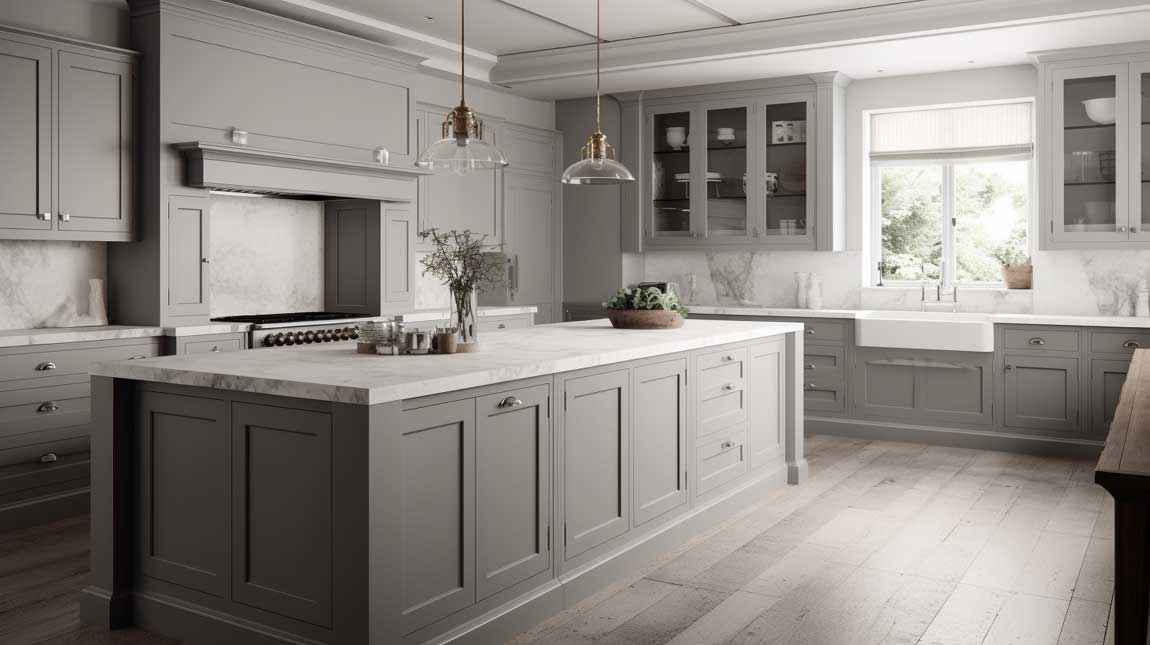
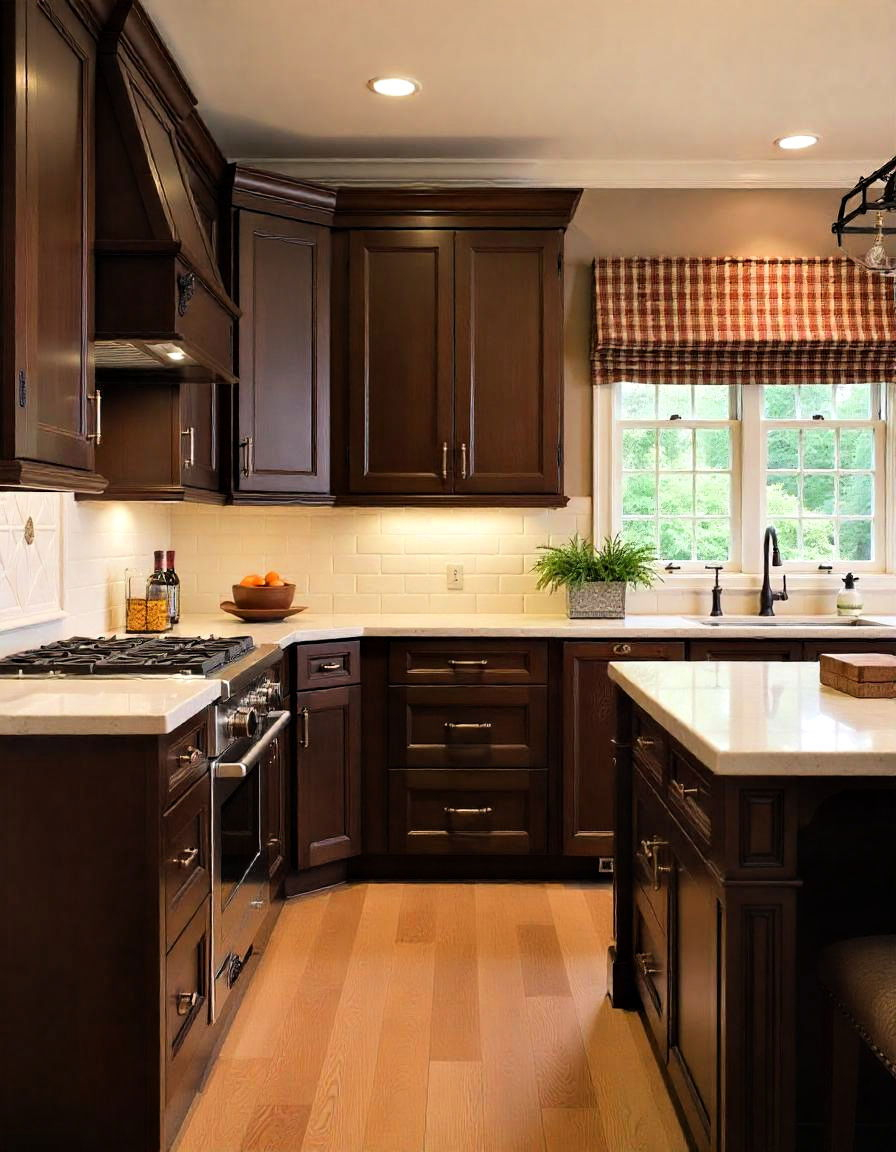
For centuries, the combination of dark wood and robust iron has captivated designers and homeowners alike. There's an undeniable gravitas, a certain quiet power, that this pairing brings to any space. It’s not just a trend; it's a foundational element in interior design that continues to evolve yet always feels fresh and relevant. As someone who's spent decades immersed in the nuances of materials and their psychological impact, I can tell you this duo is more than just pretty – it’s profoundly impactful. It speaks of strength, tradition, and an understated elegance that resonates deeply.
Walk into a room adorned with dark wood and iron, and you immediately feel something. It's a sense of groundedness, a quiet confidence. This isn't about fleeting fads or what's hot this season. This is about a design language that has spoken to us across generations, across cultures. From the grand, imposing doors of ancient castles to the sleek, minimalist shelving in a modern loft, the marriage of dark, rich timber and the unyielding strength of iron has consistently delivered a powerful aesthetic punch. It's a testament to the fact that some design principles are simply timeless, rooted in our primal appreciation for natural materials and enduring craftsmanship.
Historical Roots: A Journey Through Time
To truly appreciate the appeal of dark wood and iron, we need to take a quick stroll through history. Think of medieval castles, where heavy, dark oak doors were reinforced with iron straps and hinges, not just for security but for an imposing visual statement. Or consider the industrial revolution, with its factories and bridges, where cast iron and heavy timbers formed the backbone of new structures. Even in more domestic settings, like the Arts and Crafts movement or rustic farmhouses, this pairing was central. It wasn't just about aesthetics; it was about utility, durability, and a profound respect for the materials themselves. This historical context imbues these materials with a rich narrative, making them feel authentic and storied when we incorporate them into our spaces today.
The Psychological Impact: Why We're Drawn In
Beyond their visual appeal, dark wood and iron evoke specific feelings and associations. Dark wood, with its deep hues – think walnut, mahogany, or wenge – can create a sense of intimacy, coziness, and even luxury. It absorbs light, fostering a feeling of enclosure and security. Iron, whether wrought or cast, brings an element of raw strength, permanence, and sophisticated grit. When combined, they offer a beautiful balance: the warmth and organic texture of wood against the cool, structured rigidity of metal. This interplay creates depth, not just visually, but emotionally. It's a design choice that signals stability, quiet confidence, and a certain gravitas, often making a space feel more 'grown-up' and refined.
Versatility Personified: From Rustic to Modern
One of the most remarkable aspects of dark wood and iron is their incredible versatility. You might associate them with a rustic farmhouse aesthetic, perhaps a large, reclaimed wood dining table with a hefty iron base. And you'd be right! But these materials are equally at home in ultra-modern, industrial, or even minimalist settings. Imagine a sleek, dark wood kitchen island with slim, blackened steel legs, or an open-concept living room featuring exposed iron beams and dark wood flooring. The key lies in the form and finish of the materials. A rough-hewn beam will lean rustic, while a polished, smooth piece of dark wood paired with a finely machined iron element will feel decidedly contemporary. This adaptability makes them a fantastic long-term investment in any design scheme.
Practical Considerations and Material Choices
When working with dark wood and iron, selecting the right types and finishes is crucial. For wood, consider species like walnut, cherry, or even stained oak for a dark look. The grain pattern and how light interacts with it will significantly impact the final feel. For iron, you have options like cast iron, wrought iron, or steel. Finishes can range from matte black powder coats to oil-rubbed bronze or even raw, waxed steel for a more industrial vibe. Durability is a huge plus here; both materials are incredibly robust. However, remember that dark surfaces can show dust more readily, so a little more attention to cleaning might be needed. Also, proper sealing and finishing are essential to protect the wood and prevent rust on the iron, especially in humid environments.
Bringing it All Together: Design Strategies and Examples
So, how do you effectively incorporate dark wood and iron into your space without making it feel too heavy or oppressive. It's all about balance and thoughtful application. Here are a few strategies:
- Anchor Points: Use large pieces like a dark wood dining table with an iron base, or a substantial dark wood bookshelf with iron brackets, as central anchor points in a room. These pieces immediately establish the aesthetic.
- Architectural Elements: Think about exposed iron beams, dark wood ceiling details, or custom iron railings for staircases. These elements integrate the materials into the very bones of your home.
- Accents and Details: If a full-scale commitment feels too much, start with smaller touches. Iron light fixtures, dark wood picture frames, a coffee table with a dark wood top and iron legs, or even decorative ironwork can introduce the theme subtly.
- Layering and Contrast: Don't let the dark elements stand alone. Pair them with lighter colors on walls or textiles to create contrast and prevent the space from feeling too cave-like. Introduce different textures – soft fabrics, smooth ceramics, or rough stone – to add interest.
- Lighting is Key: Darker spaces require more thoughtful lighting. Use a mix of ambient, task, and accent lighting to highlight the rich textures and prevent shadows from making the room feel gloomy. Uplighting on dark wood walls can create a dramatic, sophisticated effect.
The Future is Dark (and Strong): Enduring Relevance
In a world increasingly saturated with fleeting trends and disposable design, the combination of dark wood and iron stands as a beacon of enduring quality and timeless appeal. It speaks to a desire for authenticity, for materials that tell a story, and for spaces that feel grounded and substantial. As we move forward, with a greater emphasis on sustainability and longevity in design, these materials will only become more valued. They represent an investment, not just in aesthetics, but in creating environments that feel rich, secure, and profoundly human. Their ability to adapt to diverse styles while maintaining their inherent character ensures their place at the forefront of sophisticated design for generations to come.
The enduring appeal of dark wood and iron finishes isn't a mystery; it's a testament to the powerful synergy between two fundamental, natural materials. They offer a unique blend of warmth and strength, tradition and modernity, creating spaces that feel both inviting and immensely sophisticated. As a designer, I've seen firsthand how this pairing can transform a room, giving it a sense of history, gravitas, and understated elegance. It's a choice that transcends trends, offering a timeless aesthetic that will continue to captivate and comfort us for many years to come. Embrace the depth, embrace the strength, and let your spaces tell a story of enduring beauty.