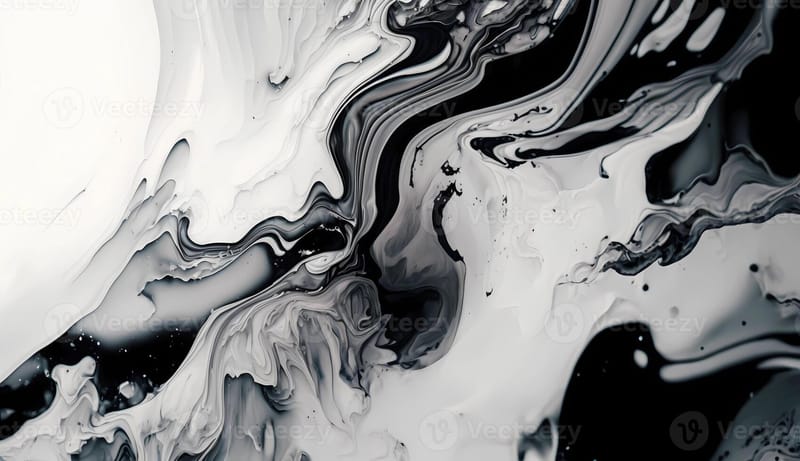
Onyx tables are the epitome of luxury, their swirling patterns and rich colors commanding attention. Capturing their true essence in photographs requires more than just a good camera; it demands a thoughtful approach to lighting, composition, and, crucially, the background. This article is your guide to mastering black painted backgrounds for onyx table photography, transforming your images from ordinary to extraordinary. We'll delve into the practical aspects, offering actionable tips and insights gleaned from years of experience, ensuring your photos truly showcase the beauty of onyx and make your work stand out.
The world of product photography is a delicate dance of light, shadow, and composition. When it comes to high-end materials like onyx, every detail matters. A poorly chosen background can distract from the table's inherent beauty, while the right one can elevate it to an art form. Black painted backgrounds are a powerful tool in this process. They provide a dramatic contrast, allowing the onyx's colors and textures to pop. They also create a sense of depth and sophistication, drawing the viewer's eye directly to the subject. This isn't just about taking photos; it's about crafting visual stories that captivate and inspire.
Why Black? The Power of Contrast and Focus
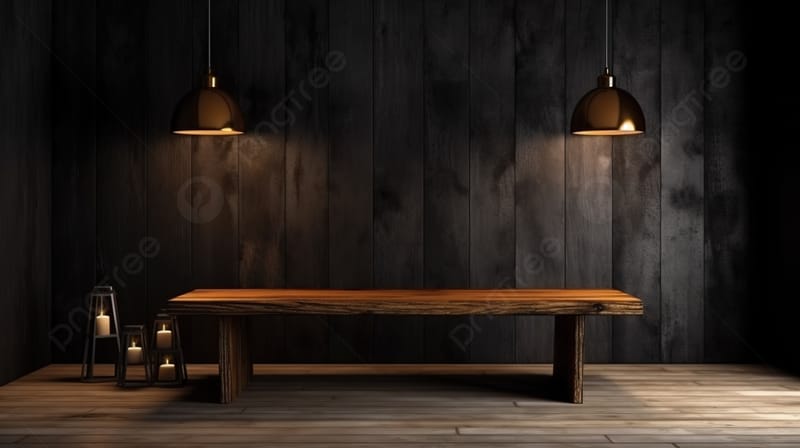
Why black? It's a question I get often, and the answer is simple: contrast. Black backgrounds create a stark, yet elegant, contrast against the often-light, swirling patterns of onyx. This contrast immediately draws the viewer's eye, making the table the undeniable focal point. In addition, a black background eliminates distractions. It removes any visual clutter, allowing the details of the onyx, its veining, and its unique character, to truly shine. Think of it like a gallery wall. The artwork is the star, and the black wall ensures nothing detracts from the masterpiece. Black also creates a sense of depth and dimension. It makes the table appear to float, adding a touch of mystery and allure. This is especially effective when using techniques like rim lighting, which we'll explore later. And, it is a timeless classic, it never goes out of style, and is applicable to many different types of photography.
- Emphasis: Makes the onyx table the star.
- Elimination: Removes distractions.
- Depth: Adds a sense of dimension.
- Elegance: Timeless appeal.
Choosing Your Paint: Matte vs. Gloss, & the Right Surface
The type of paint you select is crucial. Matte black paint is a great option for several reasons. It absorbs light, reducing glare and reflections, which can be a real headache when photographing polished surfaces like onyx. This means your images will be cleaner and more focused. It also provides a smooth, uniform background, which is what you want. However, be aware that matte paint can sometimes look a little flat. If you want a bit more drama, consider a satin or eggshell finish. These have a slight sheen that can add a touch of luxury. Avoid gloss paints entirely unless you're specifically aiming for a highly reflective effect, as they can be very difficult to control. The surface you paint on is equally important. A smooth, non-porous surface is ideal. This could be a piece of primed MDF board, a sheet of smooth plastic, or even a large piece of fabric stretched tightly over a frame. Make sure the surface is clean, dry, and free of any imperfections before painting. A well-prepared surface ensures a professional finish. Also, consider buying a few diffrent colors of black, and experimenting with them to see what you like best. It's also a good idea to get a few test pieces and try them out before going all in.
- Matte: Minimizes glare, provides a smooth background.
- Satin/Eggshell: Adds a touch of sheen.
- Surface: Smooth, non-porous materials are best.
Lighting Techniques: Sculpting with Light and Shadow
Lighting is where the magic truly happens. With a black background, you have tremendous control over how the light interacts with the onyx. Here are a few key techniques:
- Key Light: Position a key light (your main light source) at a 45-degree angle to the table. This will illuminate the surface and bring out the details and textures. Consider using a softbox or umbrella to soften the light and minimize harsh shadows.
- Rim Light: This technique involves placing a light behind the table, directed towards the camera. It creates a thin outline of light, separating the table from the background and adding a dramatic, three-dimensional effect. This is especially effective with onyx, as it highlights the edges and the table's form.
- Reflectors: Use reflectors to bounce light back onto the table, filling in shadows and creating a more balanced exposure. White or silver reflectors work well. Even a piece of white foam board can work wonders.
- Experimentation: Don't be afraid to play with different lighting setups. Move your lights around, change the angle, and adjust the intensity until you achieve the desired look. The goal is to sculpt the light to enhance the onyx's beauty.
Remember the most important thing is to experiment, and find what works best for your particular table, and your style.
Composition and Angles: Framing the Onyx's Essence
Composition is about telling a story with your images. With onyx tables, you want to showcase their beauty, their craftsmanship, and their unique character. Here are some tips:
- Rule of Thirds: Use the rule of thirds to create a balanced and visually appealing composition. Imagine your frame divided into nine equal parts by two horizontal and two vertical lines. Place the table's key elements along these lines or at their intersections.
- Angles: Experiment with different angles. A straight-on shot can be effective, but try shooting from a slightly elevated angle to show the table's surface and the surrounding space. Get down low and shoot up to create a sense of grandeur.
- Details: Don't be afraid to zoom in and capture the intricate details of the onyx. The veining, the colors, and the textures are what make it special. Close-up shots can be incredibly compelling.
- Negative Space: Utilize negative space (the empty space around the table) to create a sense of calm and balance. This helps draw the viewer's eye to the subject.
Think about what story you want to tell. Is it about luxury, elegance, or the natural beauty of the stone? Let your composition reflect that.
Post-Processing: Refining and Enhancing Your Images
Post-processing is the final step in bringing your vision to life. It's where you can refine your images, correct any imperfections, and enhance the colors and textures. Here are some key adjustments:
- Exposure: Adjust the overall brightness and darkness of the image. Make sure the table is properly exposed, and the black background is truly black.
- Contrast: Increase the contrast to make the colors pop and enhance the details. Be careful not to overdo it.
- Color Correction: Adjust the white balance to ensure the colors are accurate. Onyx can have a wide range of colors, from deep blacks and browns to vibrant greens and reds. Make sure your colors are represented correctly.
- Sharpening: Apply a subtle amount of sharpening to enhance the details and textures. Avoid over-sharpening, which can create unwanted artifacts.
- Noise Reduction: Reduce any noise (graininess) in the image. This is especially important when shooting in low light.
Use your editing software to make these adjustments. Software like Adobe Lightroom, Photoshop, or Capture One are industry standards. But remember, the goal is to enhance, not to transform. Your aim is to make your images look more professional and to bring out the inherent beauty of the onyx, not to distort it.
Troubleshooting: Common Challenges and Solutions
Even with the best preparation, you may encounter a few challenges. Here are some common issues and how to address them:
- Reflections: These are your worst enemy. If you're seeing reflections on the table, try adjusting the angle of your lights, using a diffuser, or moving the table away from any reflective surfaces. A polarizing filter on your lens can also help reduce glare.
- Uneven Background: If your background isn't perfectly even, check your paint job. Repaint or touch up any imperfections. Make sure your background is also flat, and not warped or bent. Also, make sure the background is far enough away from the table to avoid shadows.
- Lack of Contrast: Sometimes, the image may look flat. Increase the contrast in post-processing, adjust your lighting to create more shadows, or consider using a more dramatic lighting setup, such as rim lighting.
- Color Casts: Color casts can be caused by the lighting or the background. Adjust your white balance in post-processing to correct any unwanted color casts. Be sure your lights are the correct color temperature.
- Dust and Debris: Onyx tables are magnets for dust and debris. Before you start shooting, clean the table thoroughly, and keep a microfiber cloth handy to wipe away any particles that may appear.
Don't get discouraged. Even experienced photographers face these issues. The key is to identify the problem and find a solution. Trial and error are your friends, and with patience, you'll be capturing stunning images in no time.
Final Thoughts: Mastering the Art of Onyx Table Photography
Photographing onyx tables with black painted backgrounds is a rewarding endeavor that combines technical skill with artistic vision. By understanding the principles of contrast, lighting, composition, and post-processing, you can create images that truly capture the beauty and elegance of these luxurious pieces. Remember, practice makes perfect. Experiment with different techniques, learn from your mistakes, and never stop exploring the possibilities. With dedication and a keen eye, you'll be well on your way to mastering the art of onyx table photography, creating images that are both stunning and unforgettable. And remember, have fun! The journey of learning is just as important as the final product, and every photo is a chance to grow and improve.
In conclusion, mastering black painted backgrounds for onyx table photography is about creating a visual narrative. It's about using contrast, lighting, and composition to highlight the table's unique character. This guide has provided you with the essential knowledge and actionable tips to begin your journey. By employing these techniques, you'll be able to elevate your photography, creating images that resonate with viewers and showcase the true beauty of onyx tables. So, pick up your camera, embrace the power of black, and start creating images that truly shine. Remember, the best photos are the ones that tell a story, and with onyx tables, that story is one of elegance, luxury, and timeless beauty.